The long read
The fashion of polo
Breeches, button-downs and white jeans: how a game on horseback dressed the world’s wardrobe.
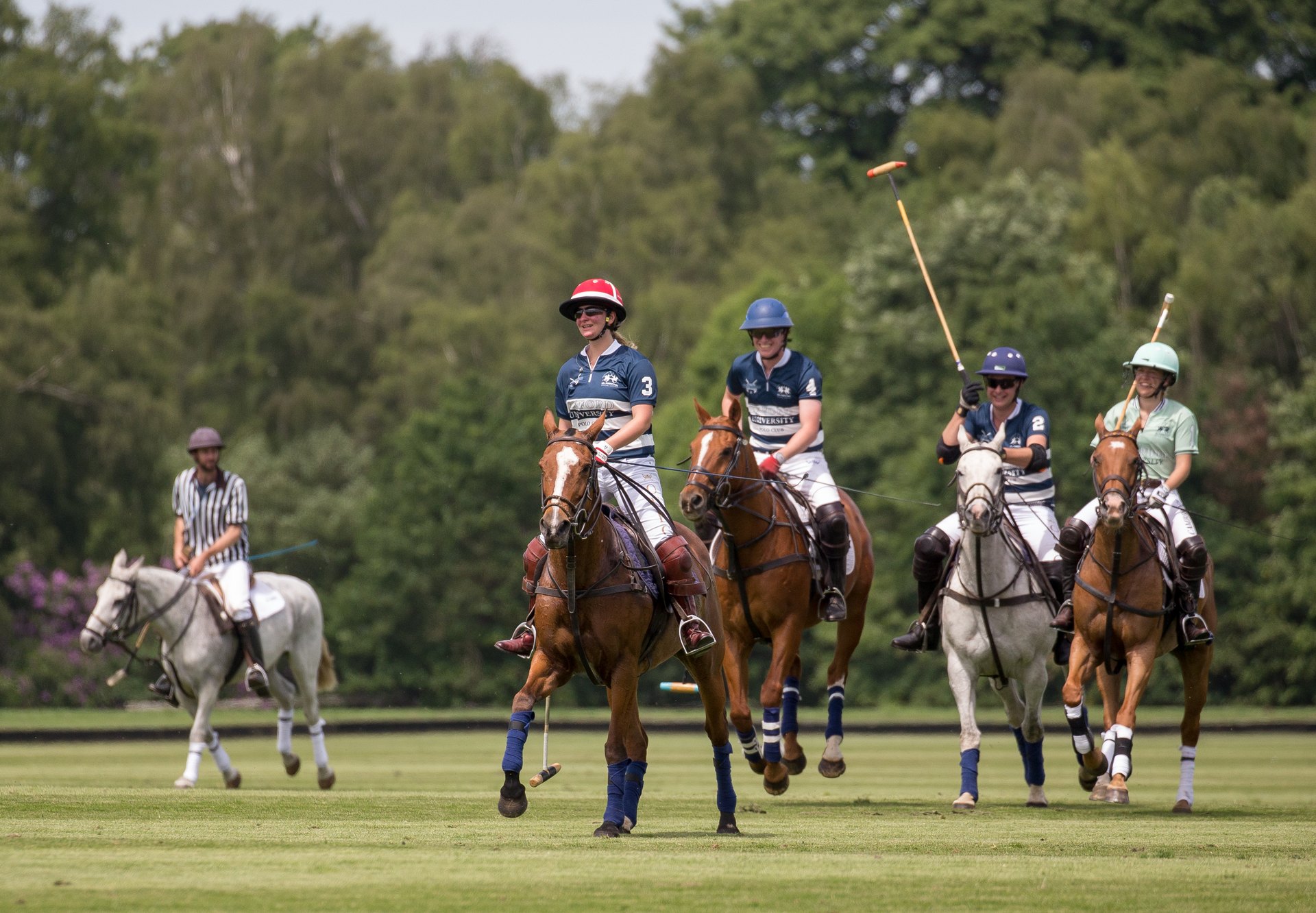
Photo Credit
Image courtesy of © Metejonmari · CC BY-SA 4.0 via Wikimedia CommonsThere is hardly a wardrobe anywhere without a polo shirt in it, and very few without something that began beside a polo ground. The button-down collar, riding breeches named after an Indian state, the white jeans of a summer Sunday: the sport has been quietly dressing people who have never sat on a pony for well over a century. Here is how it happened, with the legends politely set aside.
A collar that would not lie still
Begin with the shirt on your back. At a polo match in England in 1896, John E. Brooks, grandson of the founder of Brooks Brothers, noticed something the players had done to their collars: they had buttoned the points down, so that they would stop flapping in their faces at a gallop. He took the idea home, and the button-down shirt went on sale around 1900.
The firm still sells it as the Original Polo Button-Down, which is about as clear an acknowledgement of a debt as the shirt trade ever makes.
It is a very polo story. A practical fix, made by people moving fast on horseback in a stiff breeze, turned into the uniform of offices, universities and weekend lunches on two continents. Nobody at that match could have guessed that their collars were about to outlive the fashion for the moustaches above them.
The Jodhpur team comes to England
The second great gift came from Rajasthan. Sir Pratap Singh, the third son of Maharaja Takht Singh of Jodhpur, was Prime Minister of the state from 1878 and served three times as its regent, and he was a horseman to his fingertips. His polo team was champion of India in 1893.
In 1897, the year he represented Jodhpur at Queen Victoria’s Diamond Jubilee, his team played in England: the first Indian team, the Royal Collection Trust records, to play on British soil.
Within two years the dictionaries had a new word. Jodhpurs, named after his state, are first recorded in English in 1899: breeches cut full above the knee and close below it, made for long days in the saddle. Exactly who first cut a pair, and where, the record does not say; but the name tells you where London looked when it wanted to ride well and look it.
Savile Row takes the measure
London’s tailors did the rest. The Victoria and Albert Museum holds riding breeches by H. Huntsman & Sons from 1913 and by E. Tautz & Sons from about 1925, cut with the kind of precision Savile Row usually saves for a dinner jacket. Riding clothes became something to be fitted, not merely worn, and the best of them were as considered as anything in a ballroom.
Women changed the picture most of all. In the years after 1900, the V&A notes, skirts were still worn over breeches for riding side-saddle, but breeches were becoming acceptable on their own for riding astride, and by the 1920s the fashionable woman rode in them.
One customer in particular took the look out of the stable yard and into the history of fashion: Huntsman’s order book records Gabrielle Chanel ordering riding breeches in 1925, during the years she spent riding and hunting in Britain.
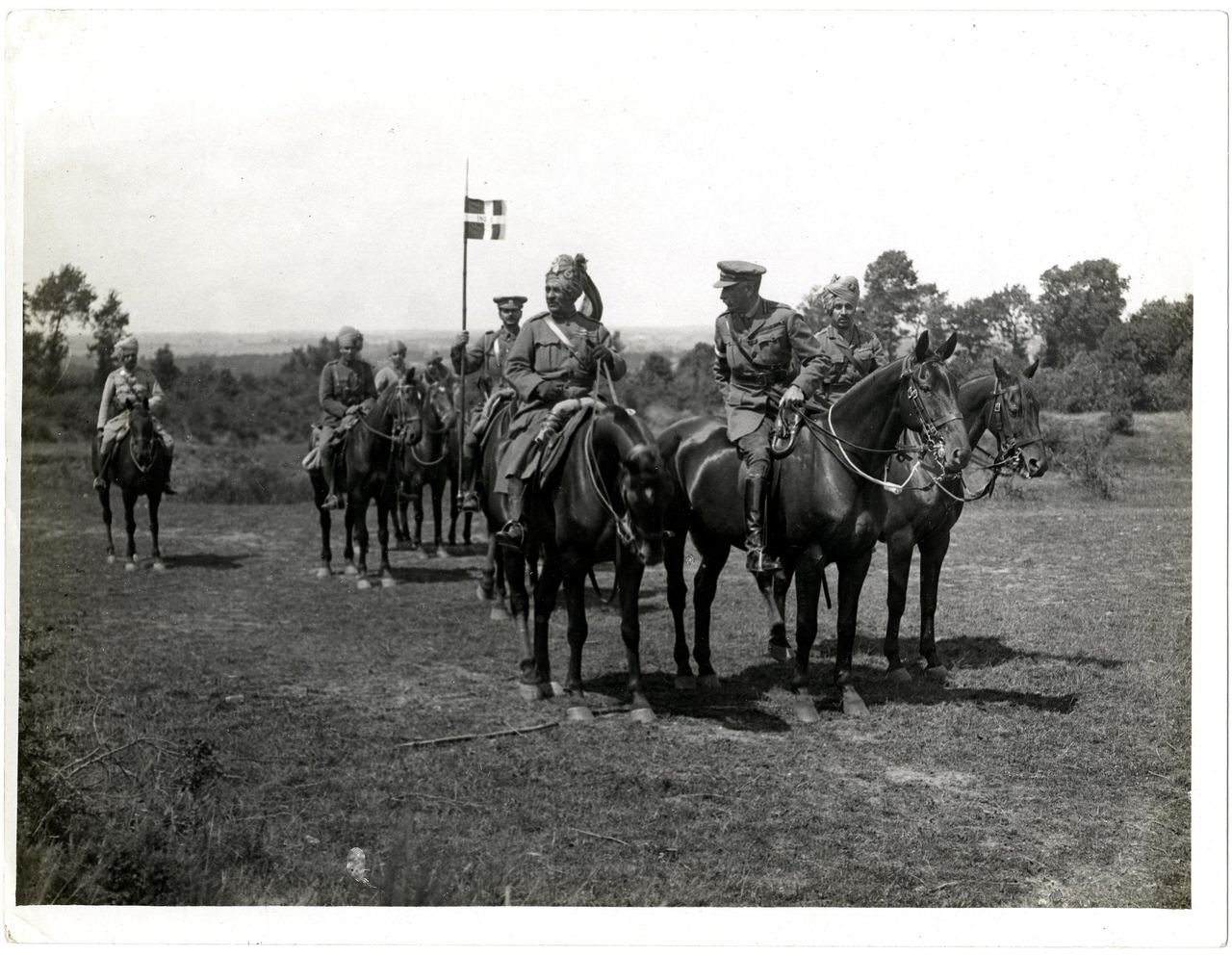
Photo Credit
Image courtesy of © H. D. Girdwood, 1915 / British Library, via Wikimedia Commons (no known copyright restrictions)From the stable yard to the film set
Hollywood noticed too. Cecil B. DeMille’s own museum describes the director’s working uniform of high boots, puttees and a riding crop, and a publicity photograph in the Smithsonian’s National Portrait Gallery shows him in riding boots and riding breeches. On the set, the outfit said one thing very clearly: this man is in charge, and possibly about to mount a horse.
Polo has been dressing people who have never sat on a pony for well over a century.
The shirt that came from the tennis court
And the polo shirt itself? Here the sport must be honest, because the most famous one was made for tennis. In 1933 René Lacoste, the champion the American press had called “the crocodile”, founded his company with André Gillier and launched a light, flexible shirt in petit piqué cotton, with the crocodile on the chest: the first brand, Lacoste says, to put a logo on its clothing. Tennis wore it first; the polo world, and everyone else, borrowed it.
Ralph Lauren completed the circle by naming his label after the sport. In 1972 he introduced the Polo shirt in 24 colours, with a small polo player on the chest, and a game that very few people play became the badge of a look that almost everyone recognises.
White, still
On the field, the rules keep things refreshingly simple. The Hurlingham Polo Association’s rule book requires every player to wear a helmet with the chinstrap fastened, polo boots and kneepads, and, for matches, white jeans or breeches. The umpires wear clean white breeches or jeans and polished boots.
So the colour is the same one Sir Pratap’s generation knew, even if the cut has relaxed into denim: walk the pony lines at Smith’s Lawn on a June Sunday and the whites are everywhere, mud to the knee by the fourth chukka.
Where it all began
The rules themselves were written in Fulham. Polo in England began in 1869 with officers of the 10th Hussars on Hounslow Heath; the first match at the Hurlingham Club was played in 1874, and on 1 May 1875 the Hurlingham Polo Committee published the first English rules. The committee became the Hurlingham Polo Association in 1925, and the club’s name still sits at the top of the sport’s rule book.
The great London polo season ended with the Second World War, and in 1951 the Hurlingham polo grounds were bought by the London County Council for housing and a public park, and the club’s summer calendar today runs to tennis and padel rather than chukkas.
Our advice: wear the white jeans, by all means, but take them to Guards or Ham, where the polo is still played, and leave the jodhpurs to the people on the ponies.
Why it's on our list
- The button-down collar: spotted at an English polo match in 1896
- Sir Pratap Singh, the Jodhpur team and 1897
- From Savile Row breeches to today’s white jeans
Location
The map comes from Google Maps, which sets its own cookies once it loads.
More in depth
 The seasonThe London horse year, month by monthFrom Boxing Day at Kempton to Christmas at ExCeL: every date worth a diary, checked at source.
 Dress codesWhat to wear: London’s horse days, enclosure by enclosureTop hats at Epsom, blazers in the Royal Box, picnic chic at Ham: the dress codes, from the source.
 Player profileAdolfo Cambiaso and the English seasonTen Queen’s Cups at Guards, nine Gold Cups at Cowdray: polo’s record-breaker in England.