The long read
Private members’ clubs: the rooms behind the doors
Chocolate houses, Pall Mall palazzos, Soho’s late nights and Rotary lunches: London’s club life.
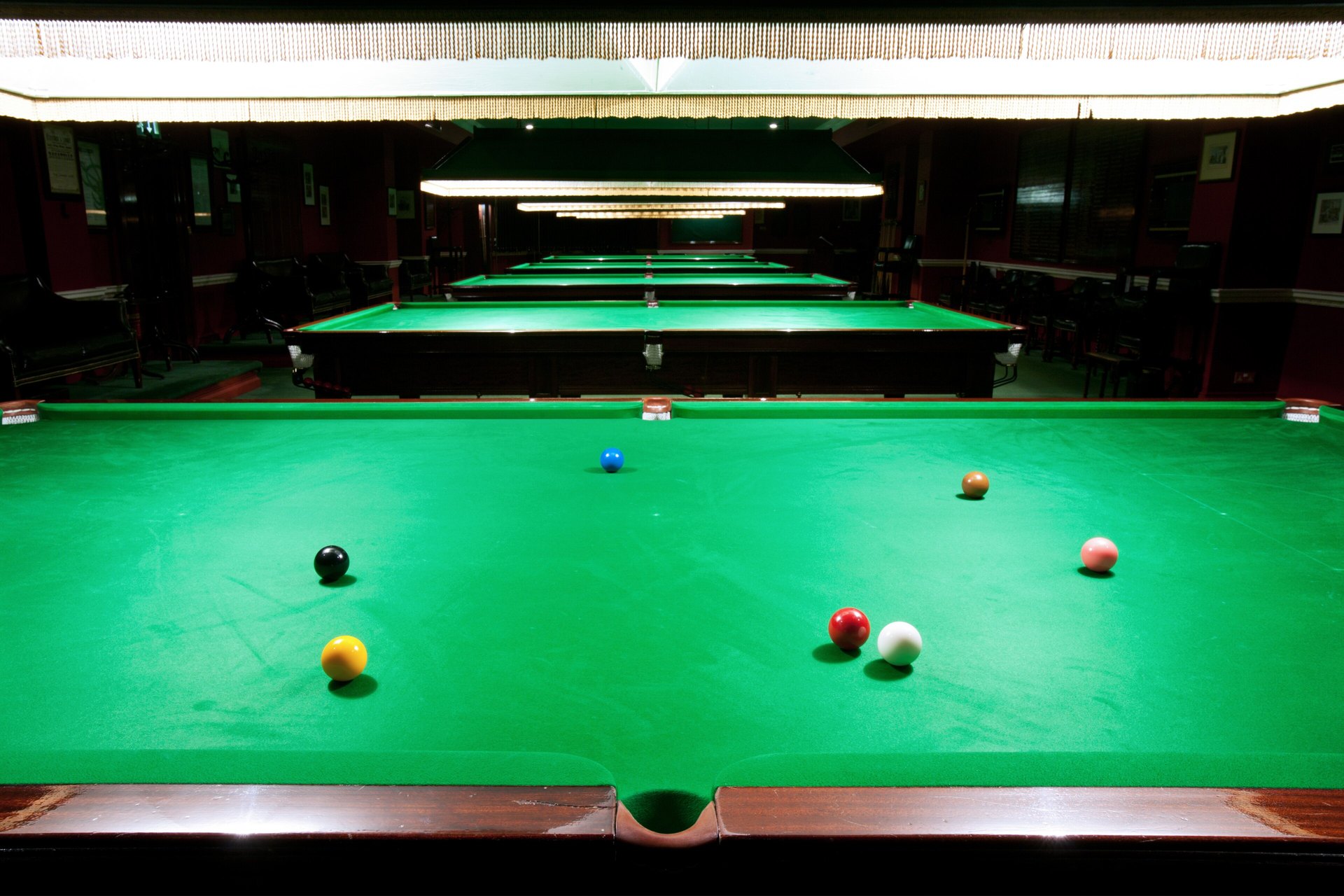
Photo Credit
Image courtesy of © Jorge Royan · CC BY-SA 3.0 via Wikimedia CommonsLondon did not invent the idea of people who would rather not drink with strangers, but it did build the finest rooms for it. From the gaming tables of 18th-century St James’s to the rooftop pools of Shoreditch, here is how the club became a London institution, who gets in, and what a visitor can actually see.
A city of closed doors
Every great city has its private rooms. London has turned them into an art form, and then into an address. Walk down Pall Mall and the grandest buildings are not banks or ministries but clubhouses, Italian palaces in Portland stone with no name on the door, because anyone who needs to ask is not expected.
Behind them, and in townhouses from Soho to Fulham, lies a second city of libraries, coffee rooms, snooker halls and roof terraces that most visitors never see.
Chocolate, cards and the first blackball
Clubs grew out of the coffee and chocolate houses of St James’s, where the men of 18th-century London came to drink, dine and gamble. Historic England’s record of St James’s Street still remembers “White’s Chocolate and Gaming House”. The habit of keeping people out came early.
Brooks’s tells its own origin with relish: two men blackballed at White’s set up a rival society at 50 Pall Mall, and from that slight grew the ancestors of both Brooks’s and Boodle’s.
Brooks’s itself was founded in March 1764 by 27 noblemen in a former tavern at 49 Pall Mall, owned by William Almack, so it was first known simply as Almack’s; its young members, the Macaronis, came to dine and to gamble. In 1777 the club’s manager, the wine merchant and money-lender William Brooks, commissioned Henry Holland to build a clubhouse on St James’s Street at his own expense.
It opened in October 1778, the members moved in, and the club took his name. Brooks died in poverty in 1782, which is the clubland version of a cautionary tale.
The palaces of Pall Mall
The 19th century gave the clubs their palaces. The Travellers Club, founded in 1819 for those who had journeyed abroad, commissioned the young Charles Barry, whose clubhouse of 1832 borrows its front from Raphael’s Palazzo Pandolfini in Florence. Barry was paid just under £1,500, liked the place enough to join it in 1834, and gave the library a cast of the Bassae Frieze, excavated in Greece by the architect C.R. Cockerell, one of the founder members.
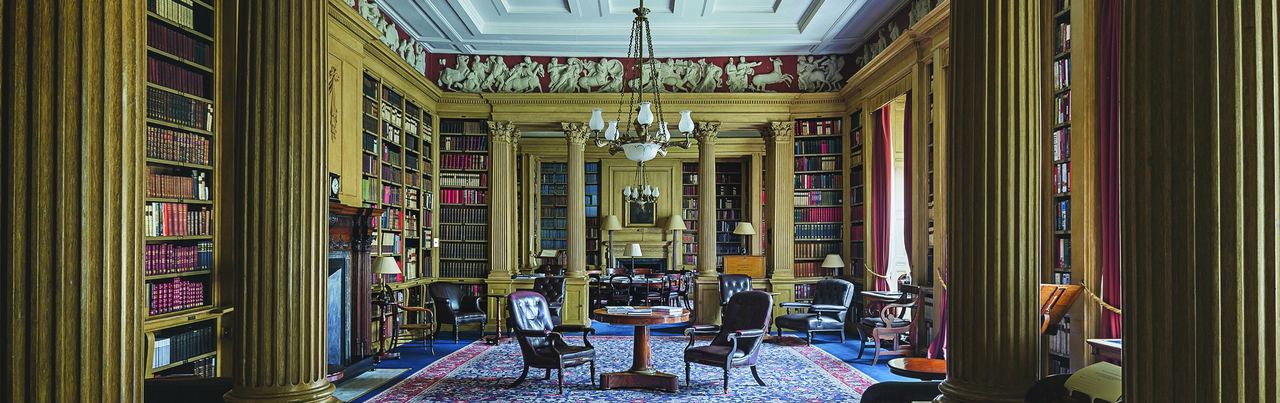
Photo Credit
Image courtesy of © The Travellers ClubNext door, Barry did it again, bigger. The Reform opened in a house at 104 Pall Mall on 24 May 1836 and moved into his new clubhouse in 1841, its façade lifted from the Palazzo Farnese in Rome. Fiction did the rest: Jules Verne sends Phileas Fogg striding from Savile Row to the Reform, where the wager of Around the World in Eighty Days is made, and the club says it will forever be associated with the book.
A few doors along, the Athenaeum sits in Decimus Burton’s Grade I clubhouse of the later 1820s.
Not every club wanted to be a Renaissance prince. The Royal Automobile Club, founded in 1897 to promote what its founder, Frederick Simms, called “automobilism”, hired Mewès and Davis, the architects of the Ritz, for a Pall Mall clubhouse of 1908–11.
Beneath it lies a swimming pool of 86 by 30 feet that Historic England calls the sole survivor of a type the partnership also built for the Ritz in Paris and for three ocean liners: a club, in other words, with the plumbing of a transatlantic steamer.
Clubs for talkers, painters and players
Others gathered by trade. The Garrick was founded in 1831 so that “actors and men of refinement and education might meet on equal terms”, and it witnessed one of literature’s pettiest feuds, when remarks about Thackeray that could only have been overheard in the club appeared in print and set Dickens and Thackeray at odds.
The Arts Club followed in 1863, with Dickens, Wilkie Collins, Liszt, Leighton, Millais, Rodin and Whistler among its members over the years; the Savile in 1868, founded by writers and artists in Mayfair.
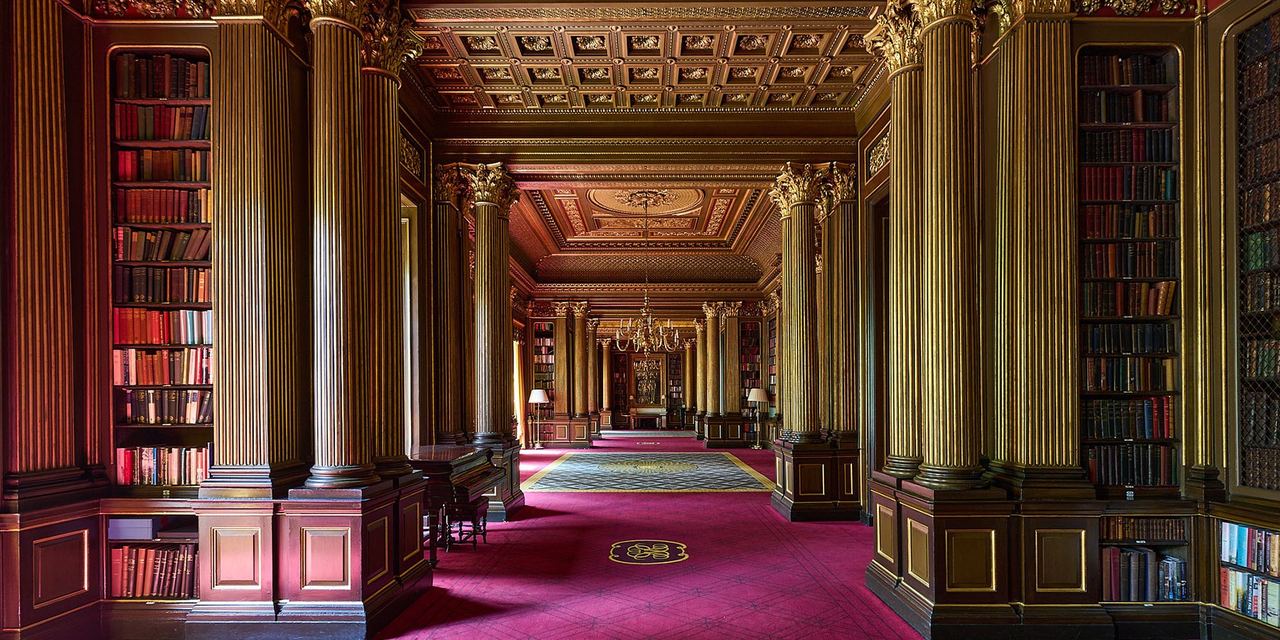
Photo Credit
Image courtesy of © the Reform ClubThe Chelsea Arts Club was born by accident in 1890. Artists met in a studio to plan an exhibiting society, someone declared that Chelsea needed a club more than an exhibition, and the room broke into cries of “Club, club, club!” The exhibition was never held. The members have owned 143 Old Church Street since the early 1900s, and they still ban mobile phones and dress codes with equal conviction.
Women were rarely asked in. The great exception was the Over-Seas Club, founded by Evelyn Wrench on 27 August 1910 to promote friendship across the world, which admitted women from the start, well before they had the vote. Today the Royal Over-Seas League keeps a garden overlooking Green Park.
Brooks’s began with a blackballing: two men refused by White’s set up a rival, and London has been perfecting the art of the closed door ever since.
The Soho wave
In the 1980s Soho wrote a new chapter. The Groucho opened in Dean Street in 1985 and named itself after Groucho Marx, who did not want to belong to any club that would have him as a member: a joke at its own expense that has now lasted four decades. In January 1995 Nick Jones opened Soho House above his restaurant, Cafe Boheme, at 40 Greek Street, with 500 members, after a hard-hat preview at which cocktails were served from cement mixers.
From those two doors came a new model: relaxed dress, creative members, good food and, increasingly, a pool on the roof. Soho House spread east to Shoreditch and around the world. The Ned put a members’ club with a bar in the strongroom of Lutyens’s 1924 Midland Bank and has since gone to New York and Doha.
The Conduit in Covent Garden gathers people working on social and environmental problems, and Mortimer House in Fitzrovia sells desks and day passes, the club recast for the working day.
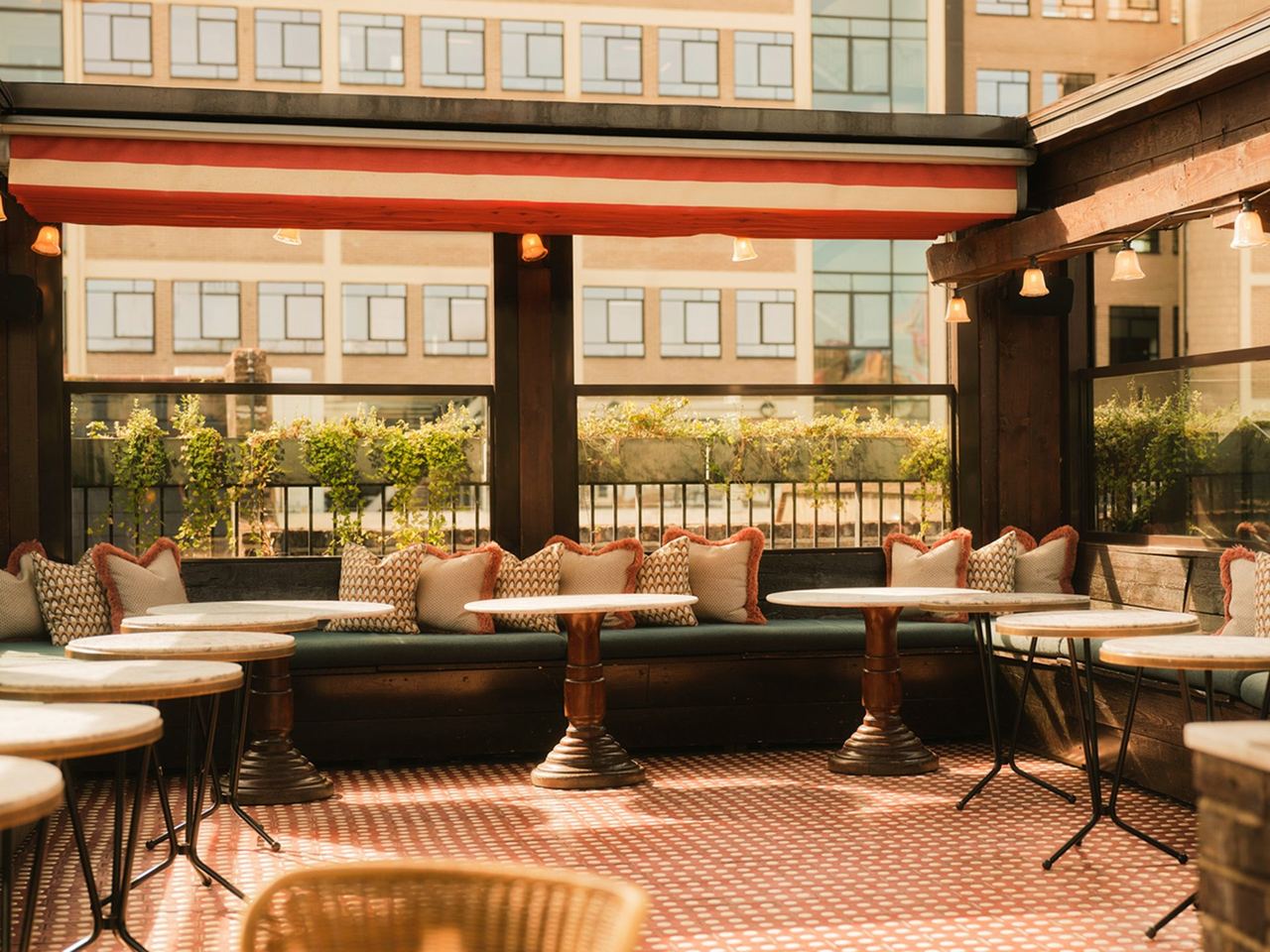
Photo Credit
Image courtesy of © Soho HouseA different kind of club
The service and fraternal organisations are another tribe altogether. Rotary began in Chicago on 23 February 1905, when the attorney Paul Harris gathered friends to form a club for local professionals; the Rotary Club of London followed in 1911 and held its first meeting at Simpson’s in the Strand.
Lions Clubs International was founded in Chicago in 1917 through Melvin Jones, and Round Table in Norwich in 1927 by Louis Marchesi, a young Rotarian who wanted a club for younger men, under the motto “Adopt, Adapt, Improve”. Their clubhouse is wherever the next fundraiser is.
Freemasonry is the oldest of them in London: the first Grand Lodge was formed in 1717. Its headquarters, Freemasons’ Hall on Great Queen Street, is the third hall on the site since 1775, an Art Deco landmark and one of the few great club buildings that actively wants to be seen.
The livery companies
Older than any club in Pall Mall are the livery companies of the City, the medieval trade guilds of goldsmiths, fishmongers, skinners and tailors that policed their crafts and looked after their own. The name comes from the distinctive dress, or livery, they adopted. By 1515 there were 48 of them and so much squabbling over who walked first that the City fixed an order of precedence; the senior dozen are still the Great Twelve.
Today there are more than 100, from the Goldsmiths to the Hackney Carriage Drivers, and their liverymen still gather in Common Hall to elect the City’s Sheriffs.
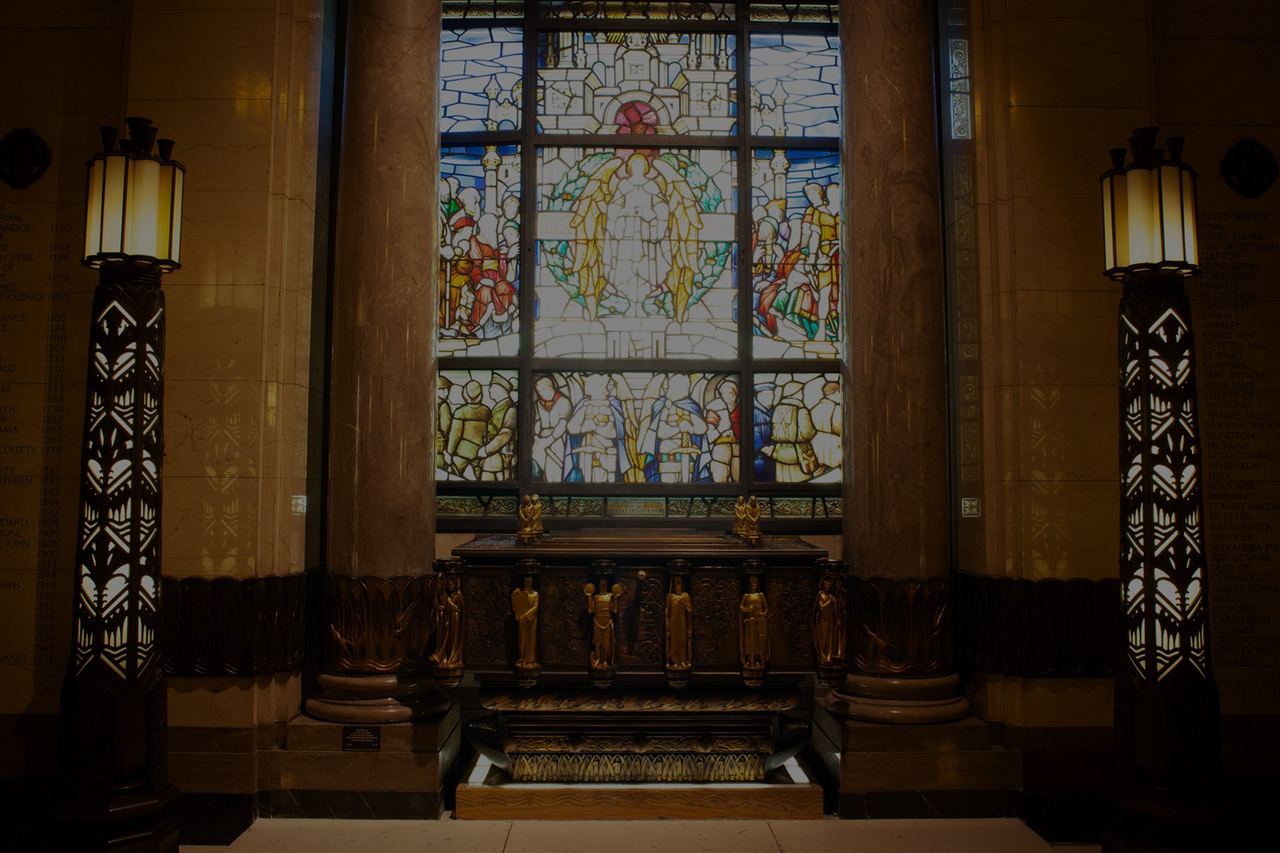
Photo Credit
Image courtesy of © the Museum of FreemasonryThe quarrels left their mark on the language. In 1484 the Skinners and the Merchant Taylors, unable to agree which should walk first in civic processions, were told to alternate for evermore, and “at sixes and sevens” is thought to come from the row. The Goldsmiths gave us the hallmark: from 1300 their “Guardians of the Craft” tested gold and silver and struck it with a leopard’s head at Goldsmiths’ Hall.
The Stationers’ Register laid the foundations of copyright, and each July the Vintners, who own Thames swans by a right so old it has never been challenged, take to the river for Swan Upping.
Getting in, and getting a look
Membership is the point, and the clubs are frank about the rules. The Chelsea Arts Club needs a proposer and a seconder who have known you for two years, and keeps a waiting list. MCC begins with a proposal from an existing Full or Senior Member. The Arts Club publishes its fees: full membership, from the age of 33, was £3,200 a year in November 2026, plus an assessment fee.
A visitor still has ways in. Freemasons’ Hall offers a free museum and guided tours from Tuesday to Saturday. The Reform opens its doors each September for the Open House festival. Home House lets non-members book its bedrooms in Robert Adam’s Grade I townhouse on Portman Square, and many London clubs, from the Savile to the Farmers Club, host members of partner clubs abroad.
Our advice: if you belong to a club at home, ask about reciprocal arrangements before you travel; it is the most elegant shortcut in London.
Why it's on our list
- From St James’s taverns to the palazzos of Pall Mall
- The Soho wave, the livery companies and the service clubs
- What a visitor can see: Freemasons’ Hall, Open House and reciprocal clubs
Location
The map comes from Google Maps, which sets its own cookies once it loads.
More in depth
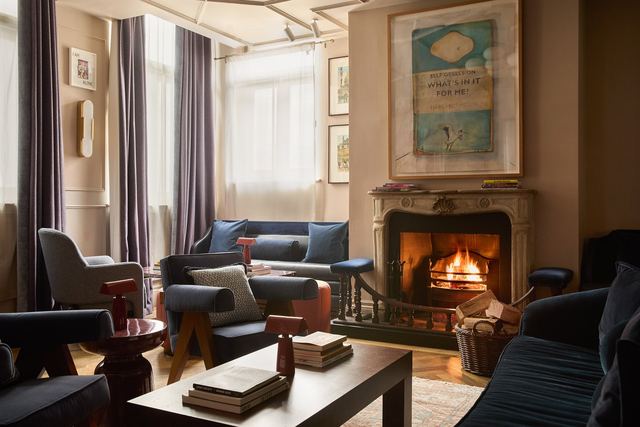 MEMBERS’ CLUB · SOHO · SINCE 1985The Groucho ClubSoho’s creative members’ club on Dean Street, home to writers, artists and late nights since 1985.
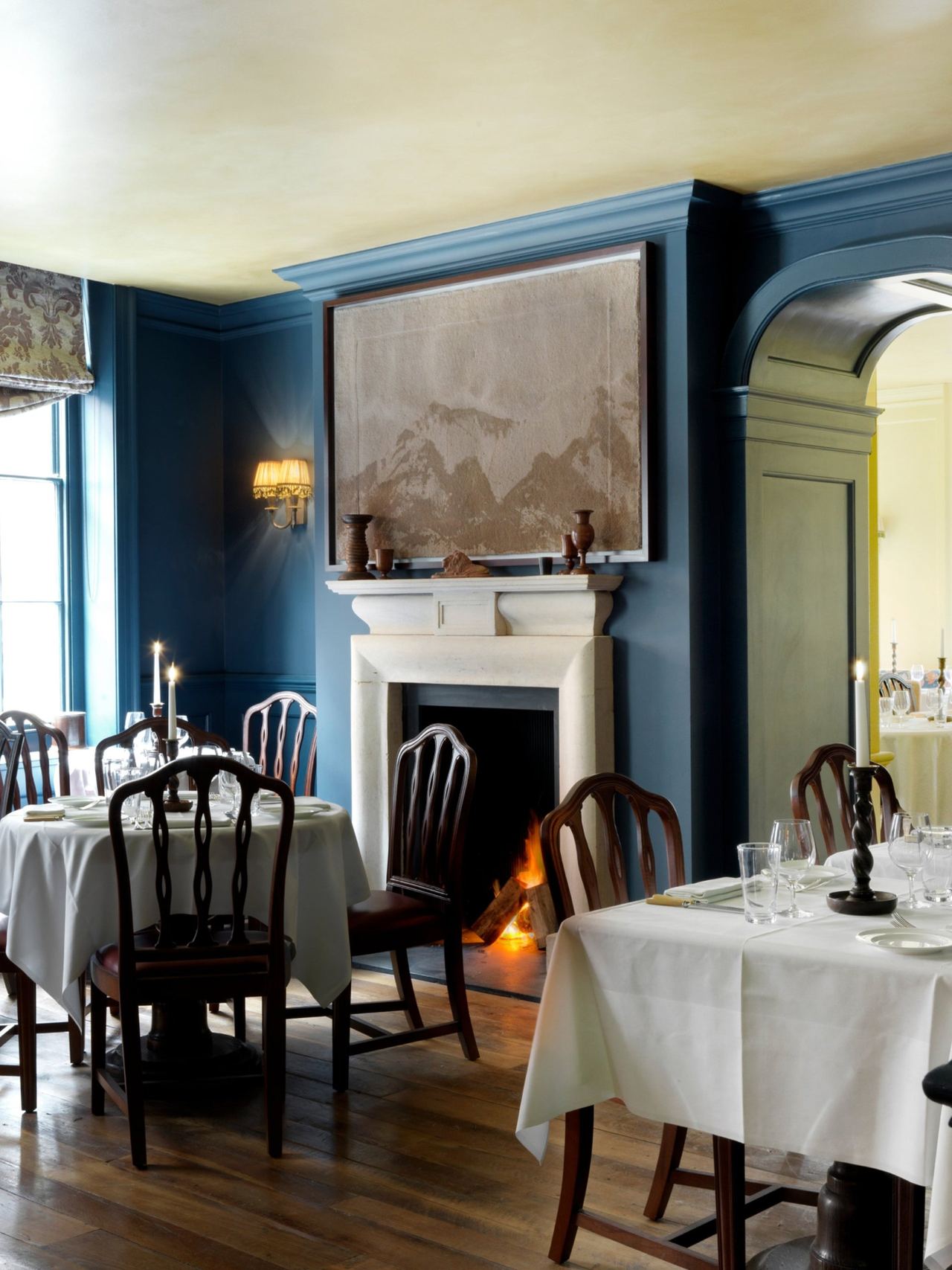 MEMBERS’ CLUB · SOHO · OPENED 1995Soho House 40 Greek StreetThe original Soho House: a Grade II-listed Georgian townhouse above Cafe Boheme, opened in 1995.
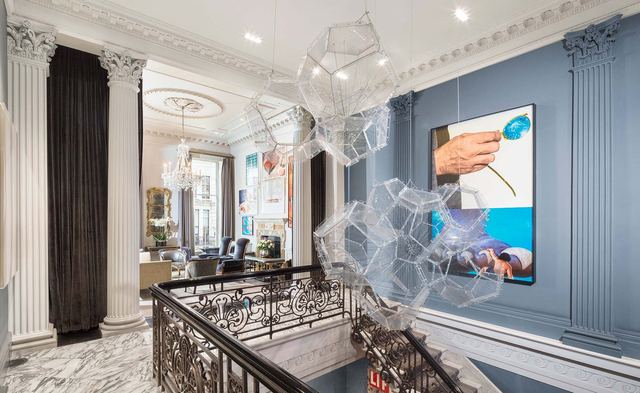 MEMBERS’ CLUB · MAYFAIR · FOUNDED 1863The Arts ClubA Mayfair townhouse club for the arts, literature and sciences, founded in 1863.