Interiors with Tara de la Motte · London edition
London floors: old boards, hall tiles and the rug that saves the room
Pine boards, Victorian hall tiles, parquet and rugs, and the neighbours below.
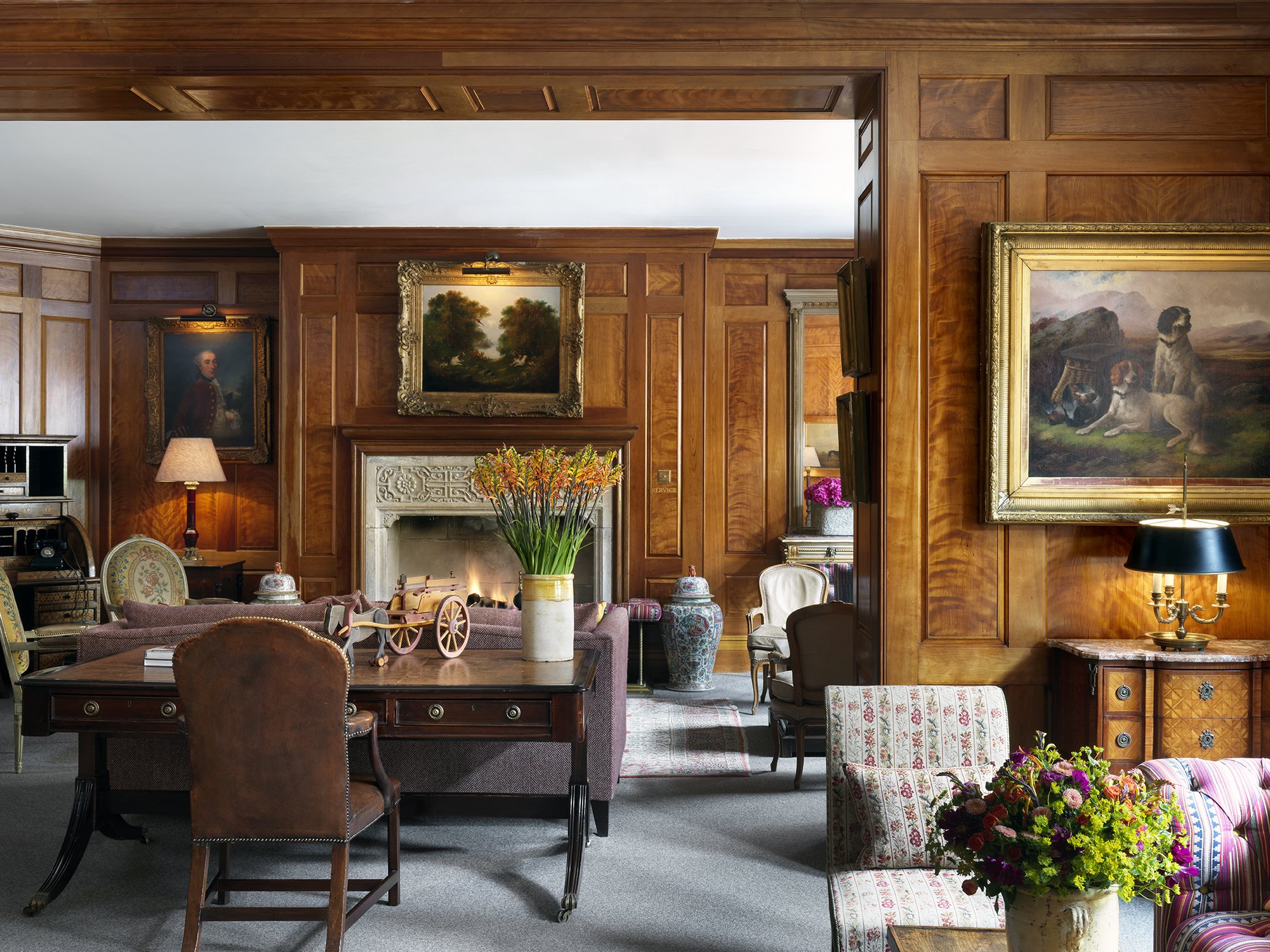
Photo Credit
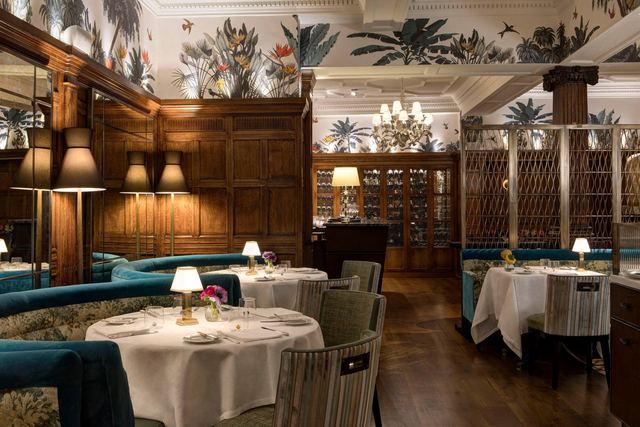
Image courtesy of © Covent Garden HotelLift the carpet in almost any London terrace and you will find something: pine boards, a run of patterned hall tiles, sometimes a tangle of old wiring. Tara de la Motte on choosing floors for a London home, what to restore, what to lay new, and why the neighbours downstairs care as much as you do.
The floor is the largest single surface in any room and the one that sets the tone for everything above it. In London it often comes with a past. Pull up a tired carpet and there may be good boards waiting, or a hallway of tiles laid when Queen Victoria was on the throne.
What lies beneath
Before choosing anything new, look at what you have. Original pine boards in a Georgian or Victorian house can often be repaired, gaps filled and the whole floor sanded and oiled or limed to a soft pale finish. They will never be perfect, and that is rather the point. If the boards are past saving, reclaimed timber from a salvage yard such as LASSCO, at Brunswick House in Vauxhall or in Bermondsey, gives a new floor some age from the first day.
The Victorian hall
The great London floor is the geometric tiled path and hall of the Victorian terrace: small encaustic and plain tiles in terracotta, black, cream and blue, laid in patterns that run from the gate to the stairs. If you have one, restore it; specialist firms can clean it, replace broken tiles and seal it.
If you don’t, modern versions in the same patterns are widely made, and a black-and-white checkerboard is a classic that never seems to date in a hall or a kitchen.
Boards, parquet and stone
Solid and engineered wood bring warmth and age beautifully; engineered boards cope better with underfloor heating, which is why they are favoured in basement and extension kitchens. Herringbone and chevron parquet suit tall London rooms and mansion flats, where it was often laid originally.
Stone and porcelain are cool and tough, at home in kitchens, bathrooms and the step out to the garden, and running the same tile inside and out makes a small garden look like part of the room.
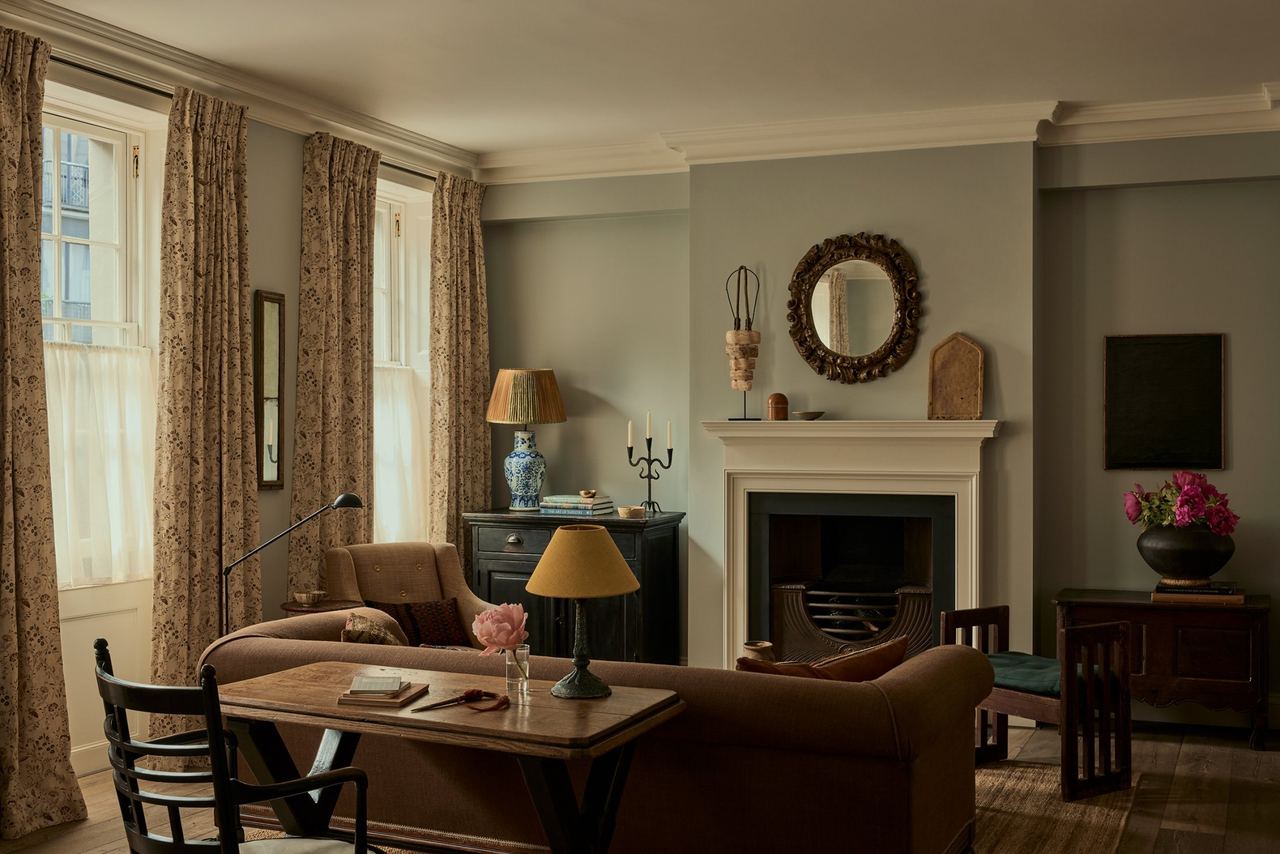
Photo Credit
Image courtesy of © The ZetterCarpets and stair runners
Wool and wool-rich carpets wear well and feel good underfoot, and bedrooms are where most Londoners still want them. On the tall, steep stairs of a terrace, a runner held with brass rods is both handsome and practical: it softens the noise, protects the treads and leaves the painted edges showing. Wool runs through English flooring history, from the West Country looms of Axminster and Wilton to the stairs of half of Kensington.
A rug can rescue a room the way a good tie rescues a dull suit.
Rugs
Nothing on a floor works harder for less than a good rug. It warms bare boards, quietens a room that echoes, marks out the sitting area in a loft where there are no walls to do it, and brings in the colour the walls may not dare to. A rug can rescue a dull room the way a good tie rescues a dull suit.
Make it big enough for at least the front legs of the sofa and chairs to sit on it; a small rug floating in the middle of a London drawing room looks like a bath mat that has wandered.
Flats and the floor below
In a flat, floors are a matter for the neighbours as well. Many leases require carpet or sound insulation, and some ban hard floors altogether, because footsteps on bare boards carry straight into the flat below. Read the lease before you lift a carpet, and if wood is allowed, lay a good acoustic underlay. It is cheaper than a feud on the stairs.
Questions and answers
Can I restore the original tiles in a Victorian hallway?
Usually yes: specialist firms can clean, repair and seal them and replace broken tiles, and matching modern tiles are made in the traditional patterns.
Can I put wooden floors in a London flat?
Check the lease first: many require carpet or sound insulation to protect the flat below, and some ban hard floors.
Why it's on our list
- What lies beneath
- The Victorian hall
- Boards, parquet and stone
- Carpets and stair runners
- Rugs
- Flats and the floor below
Location
The map comes from Google Maps, which sets its own cookies once it loads.
More in depth
 Interiors with Tara de la Motte · London editionLondon walls: wallpaper, paint and tiles from Morris to de GournayWallpaper’s London story, from William Morris to hand-painted panels, plus paint and tiles.
 Interiors with Tara de la Motte · London editionDressing London windows: sashes, shutters and curtainsCurtains, blinds and shutters for London’s tall sashes, bays and loft glazing.
 Interiors with Tara de la Motte · London editionDark and handsome: deep colour in a London houseWhy deep colours suit London’s low light, and where to use them.