ULTIMATE Life Coaching
Enhancing Resilience: how to bounce back from change
Why some people seem to whizz through life unscathed, a quick quiz, and six ways to bounce back.
ⓘ Photo
Image courtesy of © Jor Eg / UnsplashWhy do some people seem to whizz through life unscathed while others see only its blacker side? Almost nobody escapes life’s challenges. The difference is resilience, and the good news is that it can be learned.
London has burned, been bombed, flooded and rebuilt itself again and again. The Painted Hall at Greenwich, completed after nearly two decades of work, still glows above the river as a monument to patience.
In Japan there is an old craft called kintsugi, in which broken pottery is mended with lacquer and gold, so that the cracks become the most beautiful part of the bowl. Mended is not the same as ruined.
Why do some people seem to whizz through life unscathed, while others feel weighed down, and others still spend their lives looking for greener grass? The truth is that almost no one escapes unscathed: money worries, job insecurity, family rows and broken hearts come to most of us.
What differs is how we meet them. Resilience isn’t toughness, and it isn’t pretending all is well. Resilient people feel sadness and fear like anyone else. They simply bend rather than break, like a willow in a gale, and find their balance again faster.
Picture a theatre producer who loses her company when a show closes early and the money runs out. For months she avoids the West End. A good afternoon for her would begin in Greenwich: up through the park to the Royal Observatory, then back down to the Painted Hall, to stand under the ceiling and think about the years of work it took. Nothing great happens quickly.
She might begin again with a tiny pub-theatre production in south London, small enough to manage and big enough to matter, and keep a postcard of the Painted Hall above her desk while it finds its feet.
Before she leaves Greenwich, she should walk down to the Cutty Sark. Launched in 1869, she was one of the fastest tea clippers of her day, racing cargoes of tea from China and later wool from Australia. Today she sits raised in a glass-enclosed dry dock, and you can walk beneath her copper-clad hull. A ship built for one trade went on to another, and then to a third life as something people travel to admire.
That is resilience in timber and copper: not staying the same, but finding the next useful shape.
Check your own resilience
For each pair, which sounds more like you? (a) Life should be straightforward and predictable, or (b) life is full of variety and change. (a) Life is punishing, or (b) life is usually rewarding. (a) Change is a mystery, or (b) change is a process I can manage. (a) Change is to be avoided, or (b) change is an opportunity.
Mostly (b)? You already have a strong sense of your own resilience. Mostly (a)? Don’t worry. Read on.
Six ways to build it
1. Check your life script. “Things never work out for me” and “I always find a way” lead to very different places. Rewrite the story if it holds you back.
2. Gather your people. Nobody bounces back alone; ask for help when you need it.
3. Split what you can control from what you can’t, and put your energy into the first list.
Resilient people face no fewer challenges. They simply find their balance again faster.
4. Remember the hard times you have already come through. You survived every one.
5. Look after the basics: sleep, food, fresh air, movement.
6. Rediscover your enthusiasm for life: whatever makes you laugh, lose yourself or feel grateful.
Three good things
One of the gentlest and best-loved habits for building resilience is also one of the simplest: each evening, write down three things that went well, however small. It trains the eye to notice the good already there, like a crocus in the snow.
If stress is overwhelming you, or you can’t see a way through, please talk to your doctor or a counsellor. That is resilience too.
Try this today
1. Tonight, before sleep, write down three good things from today: a kind word, a good cup of tea, a moment of sunshine.
2. Write one hard time you have already come through, and one thing that helped you through it.
3. Send a short message to one of “your people”, just to say hello.
A question to sit with
What has life already taught you that you could only have learned the hard way?
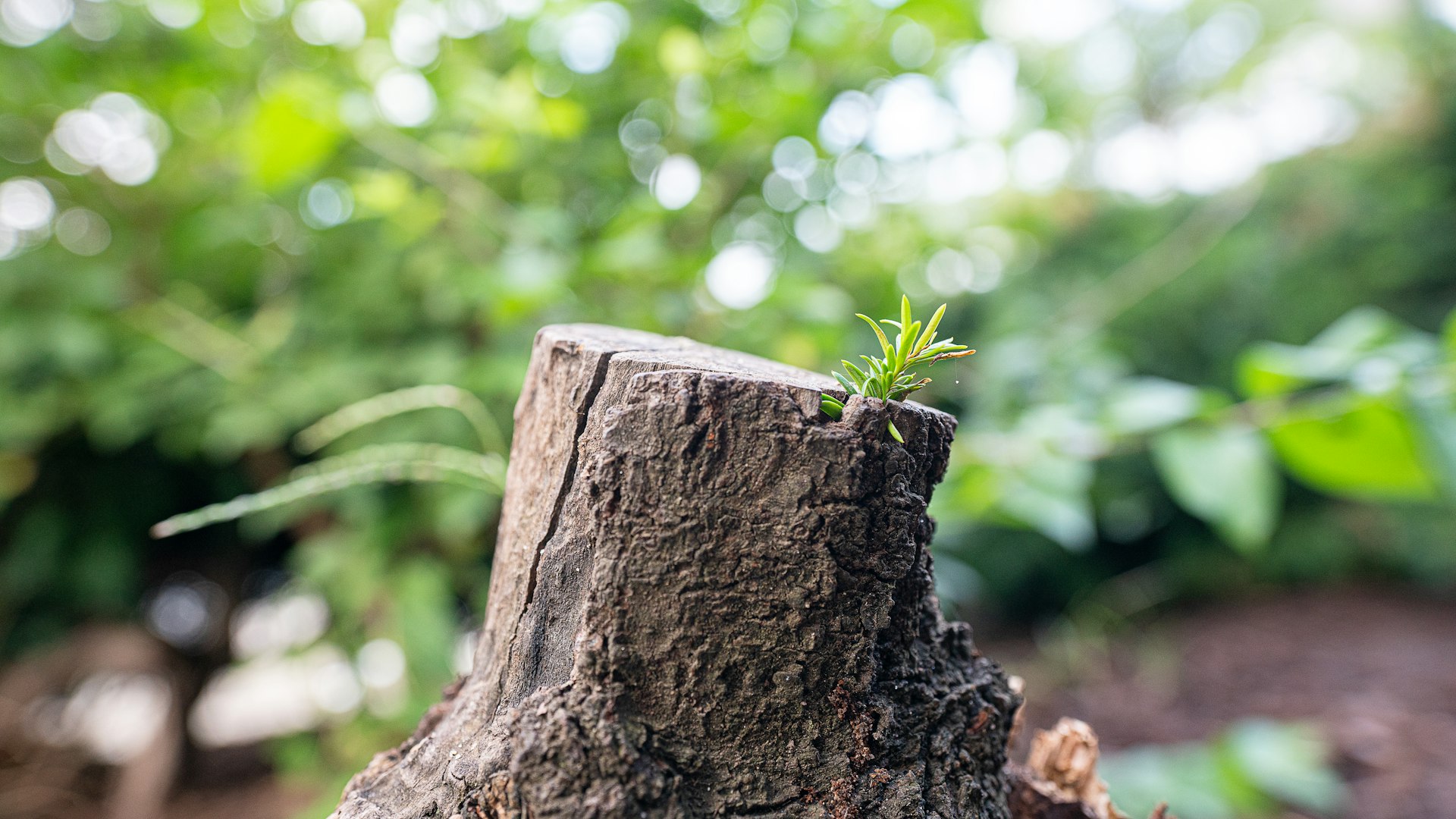
Look at a tree stump in spring and you will often see a green shoot rising from the old wood. Nobody told it the tree was finished. Life has a way of finding the light again, and so, dear friend, do you.
Start again small, and be patient. The greatest rooms in London took years to finish. So do the greatest second acts.
More in depth
 The back storyFrom chop houses to MICHELIN stars: the London tableOysters, chop houses, curry houses and the gastropub: how London learned to eat.
 The back storyBritish CuisineRoasts, fish and chips, pies, the full English, tea and puddings: Britain’s table, in London.
 The back storyFamous chefs in London: from Escoffier to the new generationEscoffier, Marco Pierre White and Fergus Henderson, the names at the stoves now and who to follow.