ULTIMATE Life Coaching
Weddings: the happiest day of your lives… or is it?
He wants a big family do; you want a beach. How couples can meet in the middle, starting today.

ⓘ Photo
Image courtesy of © softmarmotte / UnsplashHe wants a large family affair; you’d prefer a few friends and a beach. Planning a wedding brings differences to the surface. Here is how couples can resolve them, an exercise to try together, and skills that last long after the confetti.
London weddings can be anything from twenty minutes at a register office to a three-day celebration, and in a city of so many cultures families often arrive with completely different scripts.
Weddings! The happiest days of our lives… or are they?
Picture the kitchen table at ten at night: two cold cups of tea, a stack of venue brochures, a spreadsheet nobody wants to open, and two people who love each other very much, not speaking.
He wants a big family affair; you’d love a few friends on a beach. You want relaxed and informal; he wants tradition. He has eight nieces and nephews and fancies bridesmaids and page boys for all of them. It drives you to distraction!
Why weddings stir things up
A wedding is never just a party. Two families, two sets of traditions, parents’ hopes, a budget and a great deal of emotion all arrive at once. Old anxieties surface too. No wonder a table plan can feel like a summit.
Listen, don’t judge
Listen to your partner’s needs, fears and hopes: not judging, just listening. Then say back what you heard: “So the big day matters to you because…” The real reason is often not what you assumed. Whether you are marrying or entering a civil partnership, it’s not about having differences; it’s about how you resolve them.
Think of a couple whose families have started booking rival venues. Hers expects a large traditional ceremony and a feast for three hundred; his imagines a church service and a quiet reception for sixty. Ask each family, separately, to name the moment that matters most. Perhaps hers chooses the traditional engagement, with the families meeting formally, and his chooses the blessing by the parish priest.
Then both can happen: the traditional ceremony with both families present, the wedding itself in a small church, and photographs among the trees and the river view in Greenwich Park. For the first morning of the honeymoon, a simple walk through the glasshouses at Kew would do very nicely.
And for the first meeting of the two families, choose neutral ground: a weekend wander along Maltby Street Market, under the Victorian railway arches, everyone tasting from the stalls.
A helpful exercise
Swap roles for 20 minutes. Your partner argues for your small beach wedding; you argue for the big family day. Together, write down every way to make it happen, however outlandish. Then agree three tests, say: affordable, fun, and we both feel comfortable. Cross off what fails. What’s left? Perhaps a tiny ceremony by the water and a big family party in the evening.
It’s not about having differences. It’s about how the two of you resolve them.
Your top three
Each choose three “must-haves” and agree to give each other those. Everything else is open to negotiation. It’s amazing how much easier the rest becomes.
Say thank you, often
Amid all the planning, one small habit keeps couples close: telling each other, regularly and specifically, what you appreciate. “Thank you for ringing the florist.” “I loved how you made my mother laugh.” It is one of the simplest, warmest gifts in any relationship.
Try this today
1. Tonight, over supper, each write your top three must-haves on a napkin and swap. No arguing, just reading.
2. Book a wedding-free evening this week: no lists, no brochures, just the two of you.
3. Tell your partner one thing you appreciated about them today. Remember, this is meant to be fun, and it’s the best possible practice for married life.
A question to sit with
Ten years from now, what do you most want the two of you to remember about the day?
In an old Roman tale, a devoted couple were granted their wish never to be parted, and grew into two trees side by side, an oak and a linden, their branches intertwined. Long after the confetti has blown away, the skills you learn now will still be there for you both, growing deeper every year.
Ask each family privately for the one moment they care about most, and build a place for it. The rest of the plan becomes much easier once nobody feels their heart is at stake.
More in depth
 The back storyFrom chop houses to MICHELIN stars: the London tableOysters, chop houses, curry houses and the gastropub: how London learned to eat.
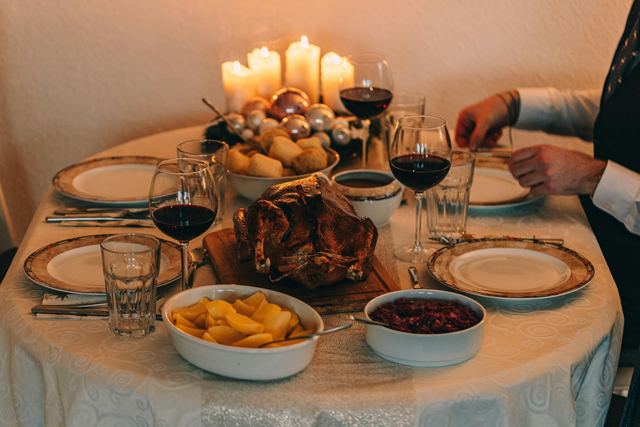 The back storyBritish CuisineRoasts, fish and chips, pies, the full English, tea and puddings: Britain’s table, in London.
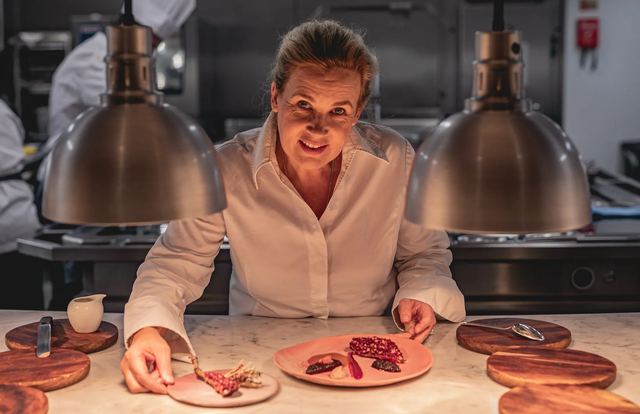 The back storyFamous chefs in London: from Escoffier to the new generationEscoffier, Marco Pierre White and Fergus Henderson, the names at the stoves now and who to follow.