Beginner’s guide
Your first day at the polo: a beginner’s guide
How the game works, where to stand, what to wear and how long it lasts, plus how to start playing.
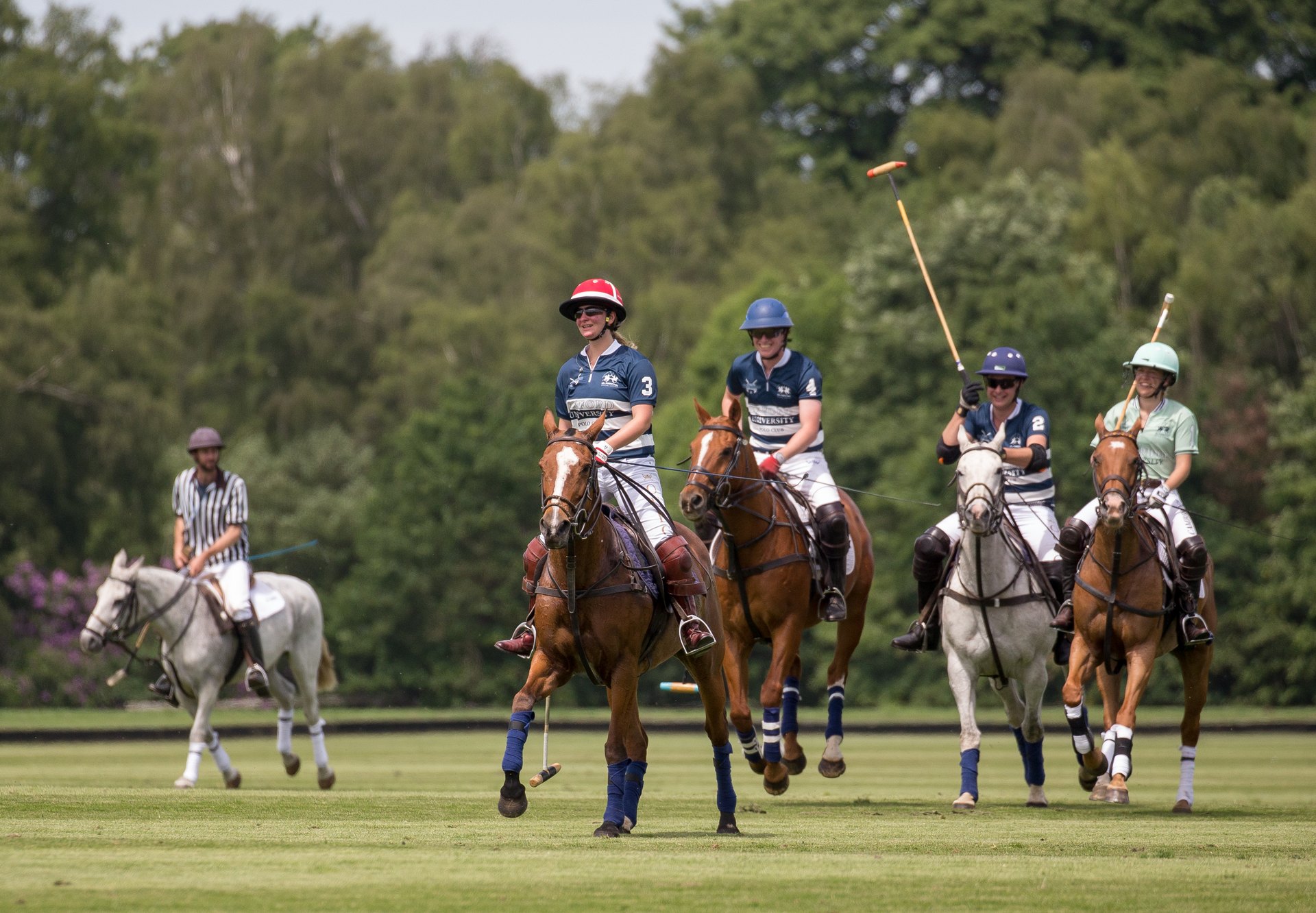
Photo Credit
Image courtesy of © Metejonmari · CC BY-SA 4.0 via Wikimedia CommonsThe short answer first. A polo match lasts about an hour for low-goal polo and about 90 minutes for high-goal; you can watch from a picnic rug or the grandstand; wear smart casual and shoes you can walk on grass in; and at half time you will be invited onto the pitch to tread in the divots. Everything else, from the line of the ball to how you might one day play, is below.
The game in five minutes
Two teams of four ride onto a ground up to 300 yards long and try to drive a small plastic ball between the other side’s goalposts, eight yards apart. Each player wears a number from 1 to 4. The No.1 attacks and scores, the No.2 links attack and defence, the No.3 is usually the strategist and longest hitter, and the No.4, the back, defends. Every player holds the stick in the right hand, and the teams change ends after every goal.
A match is divided into chukkas, periods of seven minutes, with up to 30 seconds more if play is running when the first bell goes. Low-goal polo has four chukkas, medium-goal five and high-goal six, Cowdray explains, so a match lasts from about an hour to about 90 minutes, with three minutes between chukkas and five at half time. Two mounted umpires run the game, with a referee sitting at the side of the ground to settle any disagreement.
The one rule worth learning is the line of the ball: the path the ball has travelled, or is travelling, which decides who has right of way. Once you can see it, the umpires’ whistles start to make sense.
Handicaps, explained
Every player has a handicap from -2, for a beginner, to 10, for the very best in the world. A team’s handicap is simply its four players’ handicaps added together, which is how tournaments are graded: high-goal polo in England is played by teams of 20 to 22 goals.
The Hurlingham Polo Association normally reviews handicaps in the middle and at the end of each season, and end-of-season changes take effect on 1 January, so a player’s number tells you how they played last summer.
Where it all began
Modern polo came to the British from Manipur, in north-east India. British tea planters in Assam were the first Europeans to take up the game, the HPA records, forming the first polo club at Silchar in 1859; the Calcutta Polo Club, founded in 1862, is the oldest that survives.
The ponies
Despite the name, polo ponies are horses: the HPA says they are usually 14.3 to 15.3 hands, and ponies of any height may play; the word survives from an old height limit abolished after the First World War. Watch them closely. A good polo pony stops, turns and accelerates on a hand’s touch, and the best of them are prized as highly as the players who ride them.
Your first day: the essentials
Arrive early, park on the grass and find a spot near the boards or the grandstand. Picnics, folding chairs and rugs are welcome at Cowdray, beside your car at Guards and on Ham’s picnic lawn on Sundays.
Dress code is smart casual almost everywhere, or as Ham puts it, a summer garden party, with stricter rules in clubhouses and royal boxes; wear comfortable flat shoes, because at half time the interval is extended and spectators are invited onto the pitch to tread in the divots. Leave glasses behind when you do. Dogs should be on leads, and children are not allowed in the pony lines.
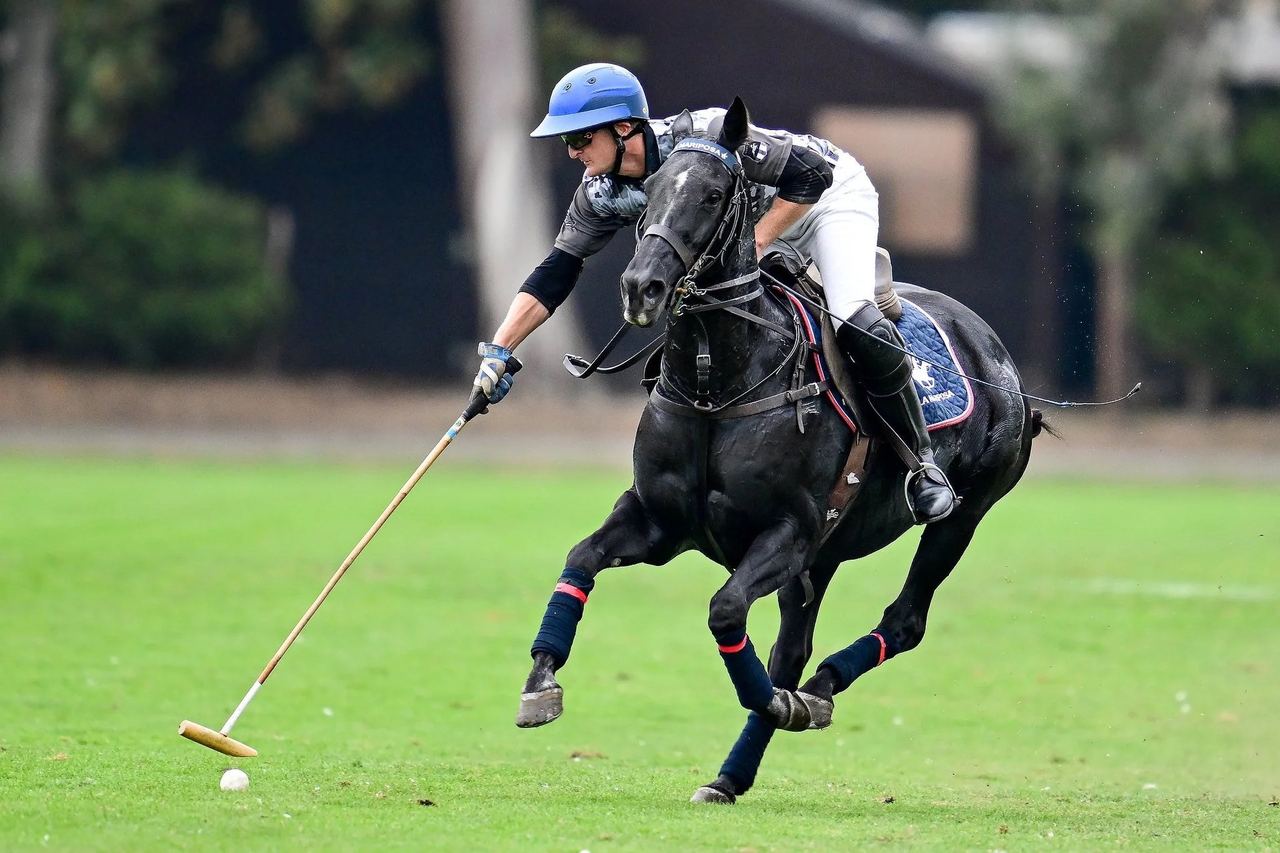
Photo Credit
Image courtesy of © Ham Polo ClubIn England the outdoor season runs from about late April to September. In winter the game moves into the arena: smaller, walled grounds of about 300 by 150 feet, three players a side and a larger ball. The Royal County of Berkshire Polo Club near Windsor began its arena season on 31 October 2026 and welcomes spectators to its sidelines, and the HPA’s arena calendar runs to February 2027.
Each January, the All England Polo Club at Hickstead hosts an international arena test match, the one day its clubhouse is open to all. Further afield, Argentina’s Triple Crown runs from September to December; in 2026 the Argentine Open final at Palermo is on Saturday 12 December.
Polo is one of the few sports in which men and women compete on equal terms, in the same teams, on the same handicaps.
Polo is one of the few sports in which men and women compete on equal terms, in the same teams, on the same handicaps; the HPA also runs a women’s series, the Victrix Ludorum, played at Guards. And it is generous: charity days are woven into the season, from Guards’ ladies’ charity day, which raises funds for a named charity, to the sport’s own Polo Charity Trust, which has given more than £650,000 since 1992.
Want to play? Learning polo near London
You do not have to own a pony, or even ride well, to start. Some schools take complete beginners; others start you with riding lessons first. Near London, Ham Polo Academy in Richmond, an HPA affiliated academy, teaches small groups with HPA-certified coaches, with horses, sticks and helmets provided. The Guards Polo Academy at Coworth Park, near Ascot, teaches from April to September, including riders learning to play for the very first time.
Cool Hooves Polo, the academy at the Royal County of Berkshire Polo Club near Windsor, which plays polo all year round, takes complete beginners and experienced riders alike.
For a first lesson, wear jodhpurs or comfortable trousers and boots with a smooth sole and a small heel of at least half an inch, the British Horse Society advises; Ham, for one, includes the helmet.
For young players, the Pony Club runs polo for ages 6 to 20, with its championships at Cowdray Park each August, and the Schools and Universities Polo Association, a volunteer-run charity, helps schools and universities start teams and runs beginner-friendly arena tournaments.
Polo for young players and schools
Schools polo has its own fixture at Smith’s Lawn: the Copenhagen Cup, played between school teams each May; in 2026 it was held on 9 and 10 May. Its name belongs to a horse. Copenhagen, foaled in 1808, carried the Duke of Wellington through the Battle of Waterloo in 1815 and retired to Stratfield Saye in Hampshire, where he died in 1836. A schools tournament named after a war horse rather than a general seems exactly right for polo.
How to choose a safe polo school
Three checks before you book. First, is the school an HPA affiliated academy? The HPA publishes the list and says its academies are licensed, insured and experienced. Second, are its coaches on the HPA coach register? Nobody may give polo lessons for reward without an HPA licence, which requires a coaching qualification, first aid, safeguarding training and a DBS check. Third, does it hold a council licence to hire out horses?
In England that licence now comes under the Animal Welfare (Licensing of Activities Involving Animals) (England) Regulations 2018, which took over riding-school licensing from the Riding Establishments Act 1964.
Our advice: watch a Sunday at Ham or a ticketed day at Guards first, learn the line of the ball from the boards, and if the bug bites, book a taster lesson. Polo is easier to fall for than to fall off, but take the helmet anyway.
Why it's on our list
- How a match works, in five minutes
- Where to stand, what to wear and how long it lasts
- Want to play? Lessons near London and Sussex
Location
The map comes from Google Maps, which sets its own cookies once it loads.
More in depth
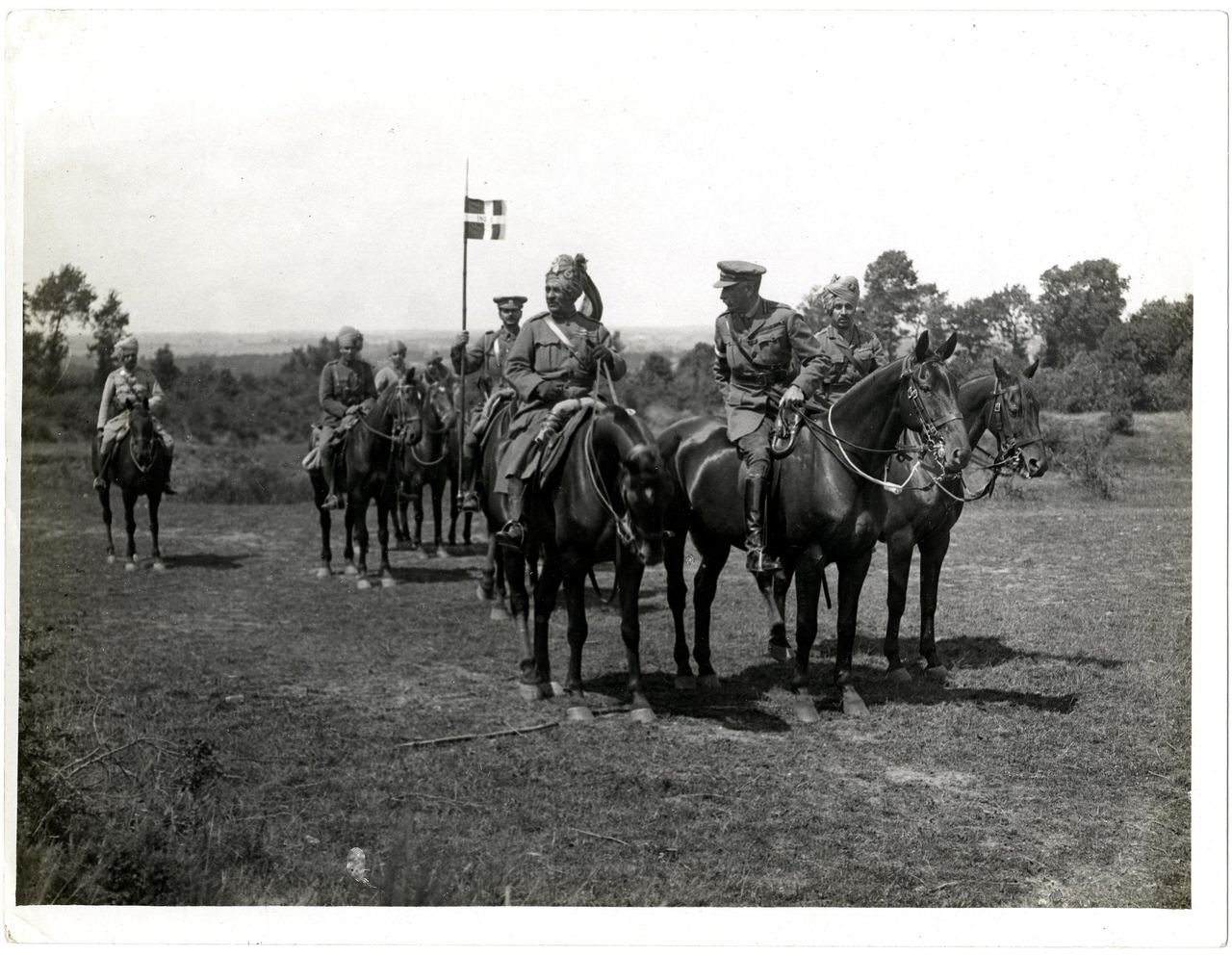 The long readThe fashion of poloBreeches, button-downs and white jeans: how a game on horseback dressed the world’s wardrobe.
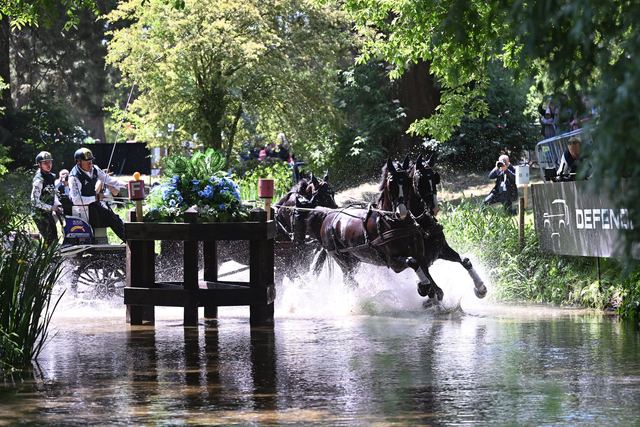 The seasonThe London horse year, month by monthFrom Boxing Day at Kempton to Christmas at ExCeL: every date worth a diary, checked at source.
 Dress codesWhat to wear: London’s horse days, enclosure by enclosureTop hats at Epsom, blazers in the Royal Box, picnic chic at Ham: the dress codes, from the source.