CHARITY · REGISTERED 1089464 · FORMED 2002
Cancer Research UK
The UK’s cancer research charity, born of two older funds and a founding partner in the Crick.
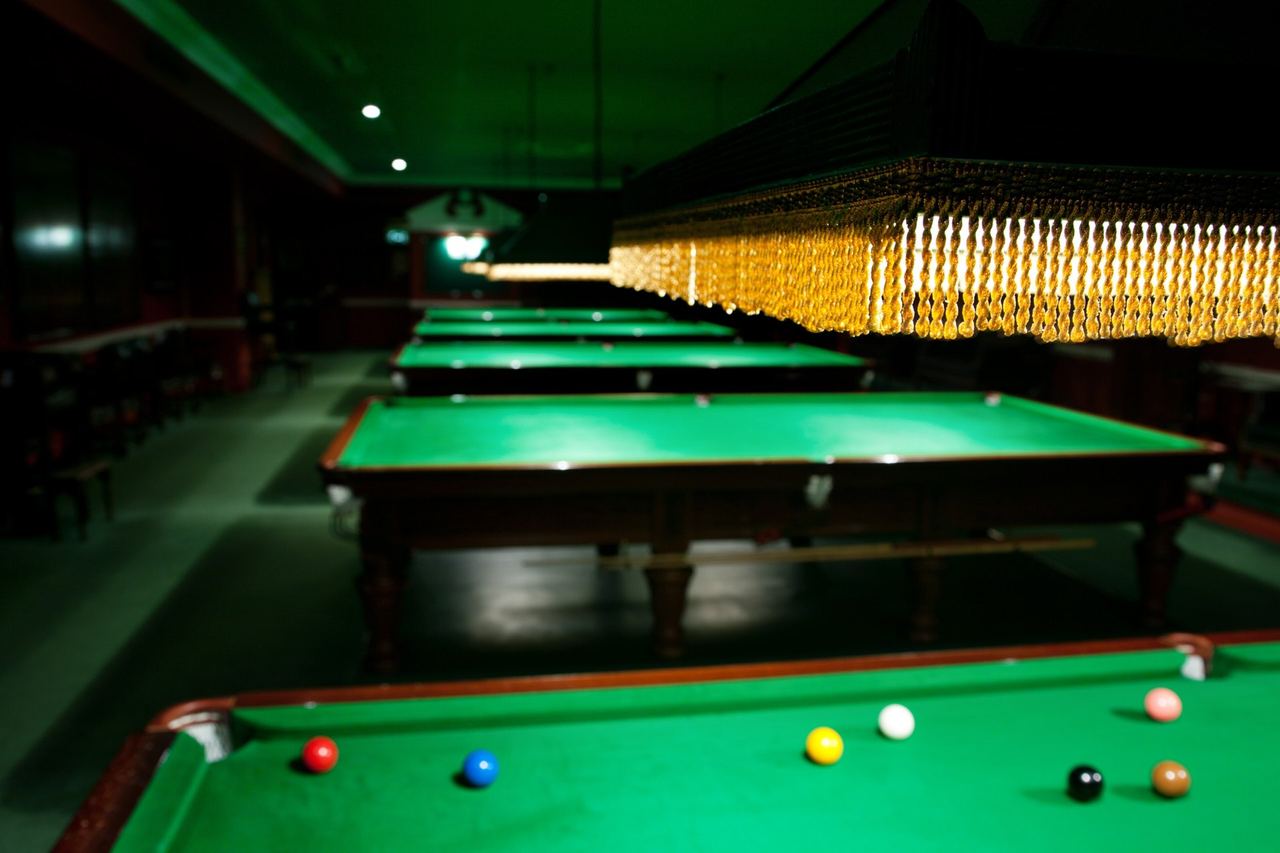
Photo Credit
In the area: Snooker tables under a long gold-fringed lamp in the Royal Automobile Club’s billiard room on Pall Mall. Image courtesy of © Jorge Royan · CC BY-SA 3.0 via Wikimedia CommonsCancer Research UK was formed in 2002, when the Imperial Cancer Research Fund and the Cancer Research Campaign merged. The older of the two traced its roots to 1902, when the Royal Colleges of Surgeons and Physicians set it up. Today it funds scientists, doctors and nurses, and informs the public. Its income for the year to March 2025 was £734.8 million. Its shops, runs and volunteers make it hard to miss in London.
Cancer Research UK lists donations, fundraising events and your own fundraising, and volunteering: in its shops, at events, through micro-volunteering (from five minutes to a few hours), as volunteer fundraisers and campaigners, and corporate volunteering for teams.
Two charities, reunited
Cancer Research UK is a young name with a long memory. It was formed in 2002 by the merger of the Imperial Cancer Research Fund and the Cancer Research Campaign. The Imperial Cancer Research Fund dated back to 1902, when it was set up by the Royal Colleges of Surgeons and Physicians, who were concerned about the suffering caused by cancer.
In the 1920s a group of doctors formed a separate charity, the British Empire Cancer Campaign, which was later renamed the Cancer Research Campaign. Eighty years later the two came back together. The charity’s own history describes it, fairly, as a reunion. It is not every family quarrel that ends with the two sides pooling their resources.
What it does
Cancer Research UK funds scientists, doctors and nurses to help beat cancer sooner, and it provides cancer information to the public. It says it has been making discoveries for 120 years, counting from the founding of the Imperial Cancer Research Fund. It also develops evidence-based policy on cancer and research, a reminder that much of its work happens in laboratories and committee rooms rather than in public view.
The scale is considerable. The Charity Commission register shows total income of £734,753,802 for the financial year ending 31 March 2025. The register describes the charity’s main activity as sponsoring or undertaking research, mainly through grant-making, across England and Wales, Scotland and Northern Ireland. Every pound of that comes from supporters, from large legacies to coins dropped into a shop’s collection tin.
A London research story
London holds a special place in this history. The charity’s London Research Institute was, in its own words, reborn as a founding partner in the Francis Crick Institute, which was opened in London in 2016. Its striking building has become a landmark of modern science in the capital.
Cancer Research UK itself is based at 2 Redman Place in Stratford, east London, close to the Queen Elizabeth Olympic Park. For most visitors, though, the charity is most visible on the high street. Its shops, which sell donated clothes, books and homeware, are a familiar sight in London neighbourhoods, and volunteers help run them.
Cancer Research UK is a young name with old roots: two charities that went their separate ways in the 1920s and were reunited in 2002.
Volunteers at every scale
The charity’s volunteering pages are refreshingly flexible. Volunteers can style windows and serve customers in its shops, cheer runners and hand out medals at events, raise money in their communities or campaign for change. For those who are short of time, micro-volunteering offers tasks that take anything from five minutes to a few hours.
There is also corporate volunteering, in which teams can give their time, skills or fundraising efforts together. It is a model that suits a city where many people have plenty of goodwill and very little spare time. A few minutes from a hotel room may be the most realistic gift some visitors can make, and the charity is happy to take it.
Volunteers can also campaign. The charity’s Campaigns Ambassadors work to persuade decision-makers to support better cancer services and research, while its policy team develops evidence-based proposals. Fundraising follows a published promise to supporters, setting out how the charity will treat the people who give to it.
Its public information service is a quieter part of the mission. Written for patients, families and anyone worried about symptoms, it explains cancer types, causes and ways of coping, in plain language. For many people it is the first place they read about a diagnosis, and the charity treats that responsibility seriously.
How to support it
Cancer Research UK lists donations, fundraising events and the option to organise your own fundraising, alongside the volunteering roles above. Its website also carries the information service that is central to its purpose, written for patients, families and the wider public. That information is a form of support in itself.
Our advice: if you are in London, browse a Cancer Research UK shop for books or vintage finds, and give through cancerresearchuk.org rather than an unofficial collection. If you have only a few minutes to spare, look at its micro-volunteering options; the smallest offer can still be useful.
At a glance
Address: 2 Redman Place, London E20 1JQ
Website: cancerresearchuk.org
Registration: Registered charity in England and Wales no. 1089464
Why it's on our list
- Formed in 2002 by merging two charities with roots going back to 1902
- Total income of £734,753,802 in the year to 31 March 2025 (register)
- Its London Research Institute became part of the Francis Crick Institute
Location
The map comes from Google Maps, which sets its own cookies once it loads.
More in depth
 The long readPrivate members’ clubs: the rooms behind the doorsChocolate houses, Pall Mall palazzos, Soho’s late nights and Rotary lunches: London’s club life.
 MEMBERS’ CLUB · SOHO · SINCE 1985The Groucho ClubSoho’s creative members’ club on Dean Street, home to writers, artists and late nights since 1985.
 MEMBERS’ CLUB · SOHO · OPENED 1995Soho House 40 Greek StreetThe original Soho House: a Grade II-listed Georgian townhouse above Cafe Boheme, opened in 1995.