Interiors with Tara de la Motte · London edition
A place for everything: storage for London homes
Alcoves, under-stairs cupboards, mansion-flat corridors and loft eaves.
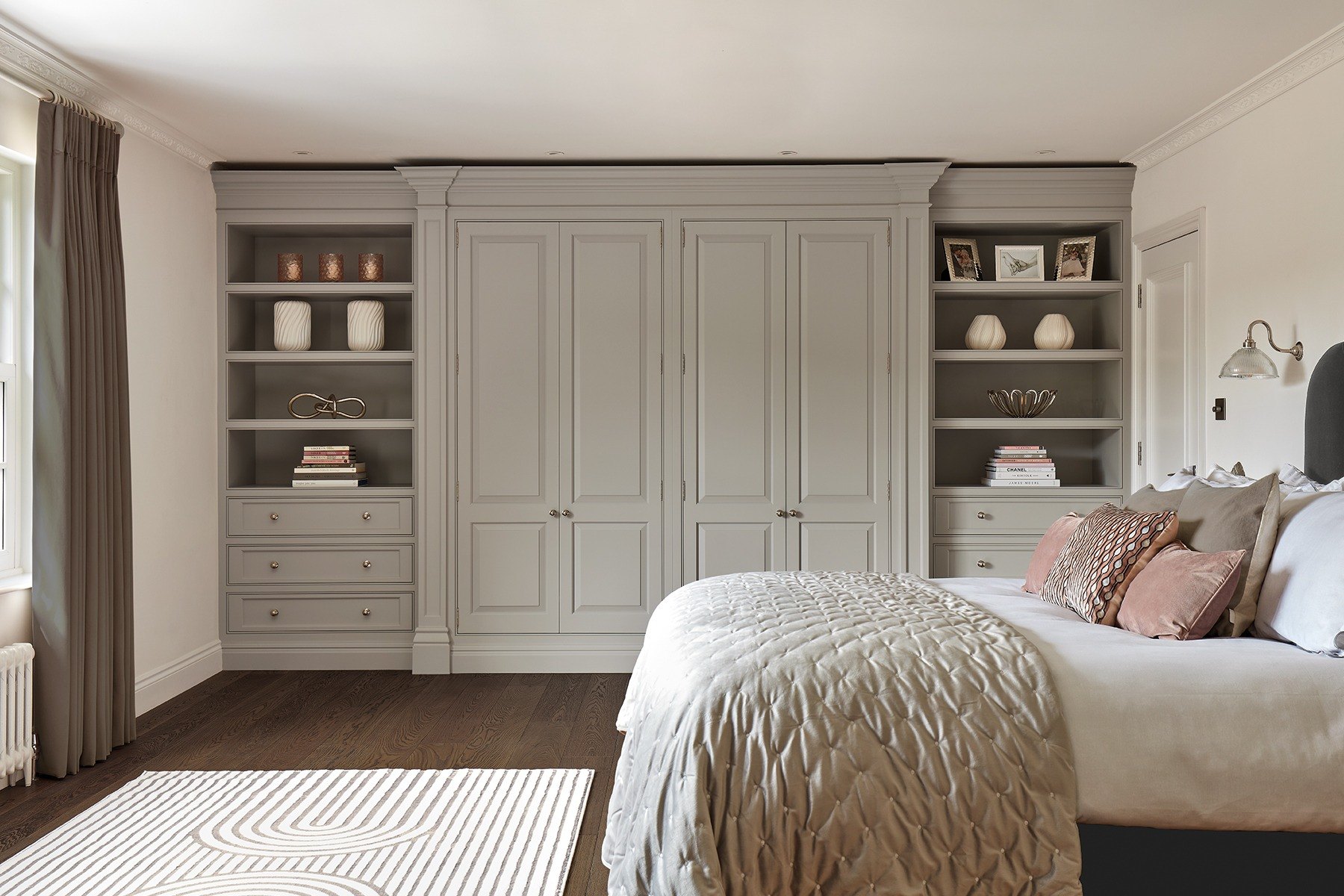
Photo Credit
Image courtesy of © Tom HowleyLondon homes are rarely short of character and almost always short of cupboards. Tara de la Motte on finding storage in a Victorian terrace, a mansion flat or a loft, so that what you keep has a place to live and the hall is not a bicycle shed.
Life attracts clutter, and London life attracts it faster than most: the bicycle, the buggy, the umbrellas, the post. And most London homes were built for households that kept their things in a chest of drawers, or had servants to keep them elsewhere. The secret of a calm London home is to plan storage as carefully as the colour of the walls.
Built without cupboards
Georgian and Victorian houses were built with few, if any, built-in wardrobes; the Victorians kept their clothes in freestanding furniture. That is why so many London homes feel cluttered however tidy their owners are. The answer is to look at the house as a joiner would, finding the dead spaces that can be turned into storage without spoiling the rooms.
At the Museum of the Home in Hoxton, the Rooms Through Time galleries show four centuries of Londoners solving exactly this problem, and the visit is free.
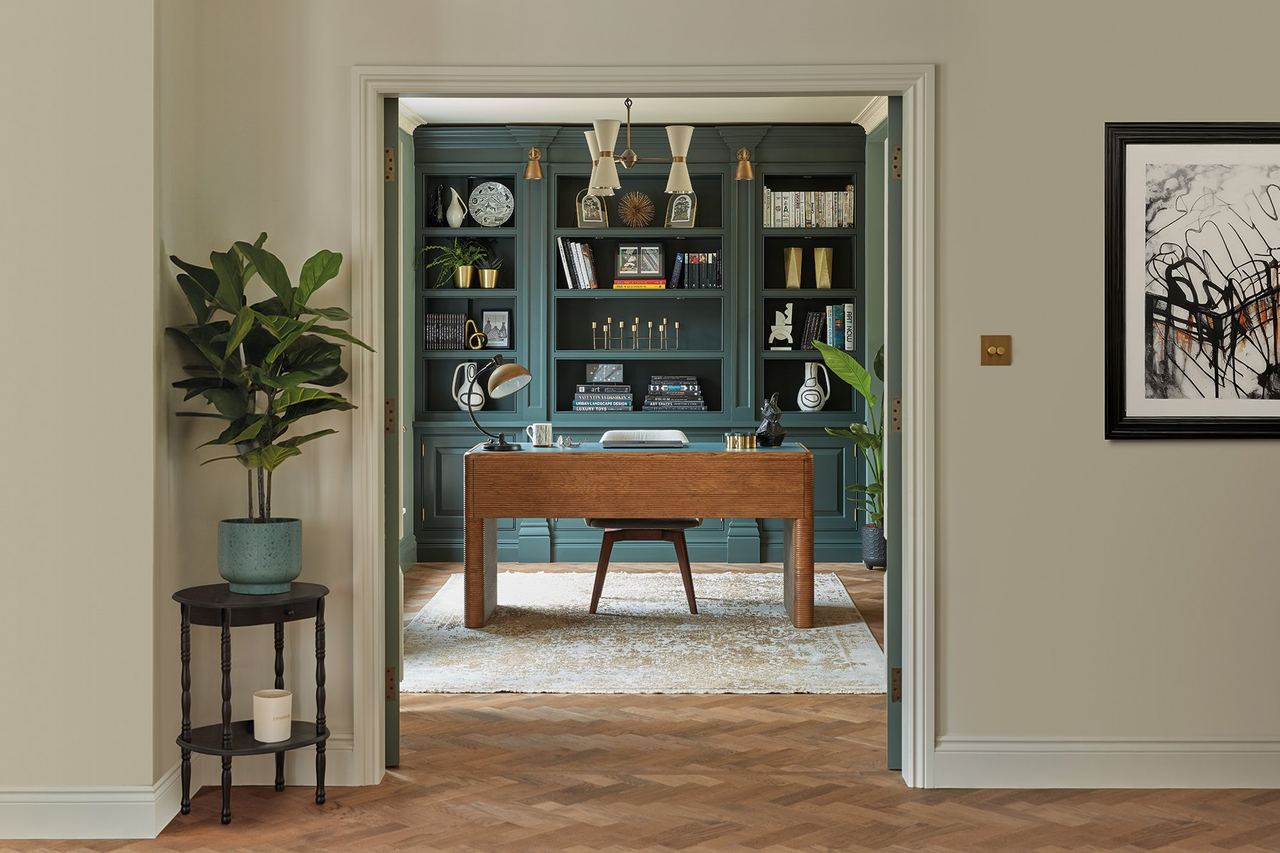
Photo Credit
Image courtesy of © Tom HowleyThe alcove
Every chimney breast in a London terrace comes with two alcoves, and every alcove is a cupboard waiting to happen. Cupboards below and shelves above, painted the colour of the walls, give a sitting room a library and hide the television, the games and the paperwork. In a bedroom, the same alcoves take a pair of wardrobes that look as if they were always there.
Under the stairs and in the eaves
The cupboard under a London staircase is usually a dark cave of hoovers and lost shoes. Fitted with pull-out drawers, it becomes the best storage in the house: coats, boots and the recycling, all out of the hall. In a loft conversion, the low space behind the eaves can be fitted with cupboards or deep drawers, which is far more useful than leaving it as a void behind plasterboard.
Every Victorian chimney breast in London comes with two alcoves, and every alcove is a cupboard waiting to happen.
Mansion flats and long corridors
Mansion blocks, such as the late-Victorian and Edwardian ranges along Prince of Wales Drive by Battersea Park, often have long internal corridors. A run of shallow cupboards along one side, floor to ceiling, holds books, linen and china without narrowing the passage much, and turns a corridor into a hard-working room of its own.
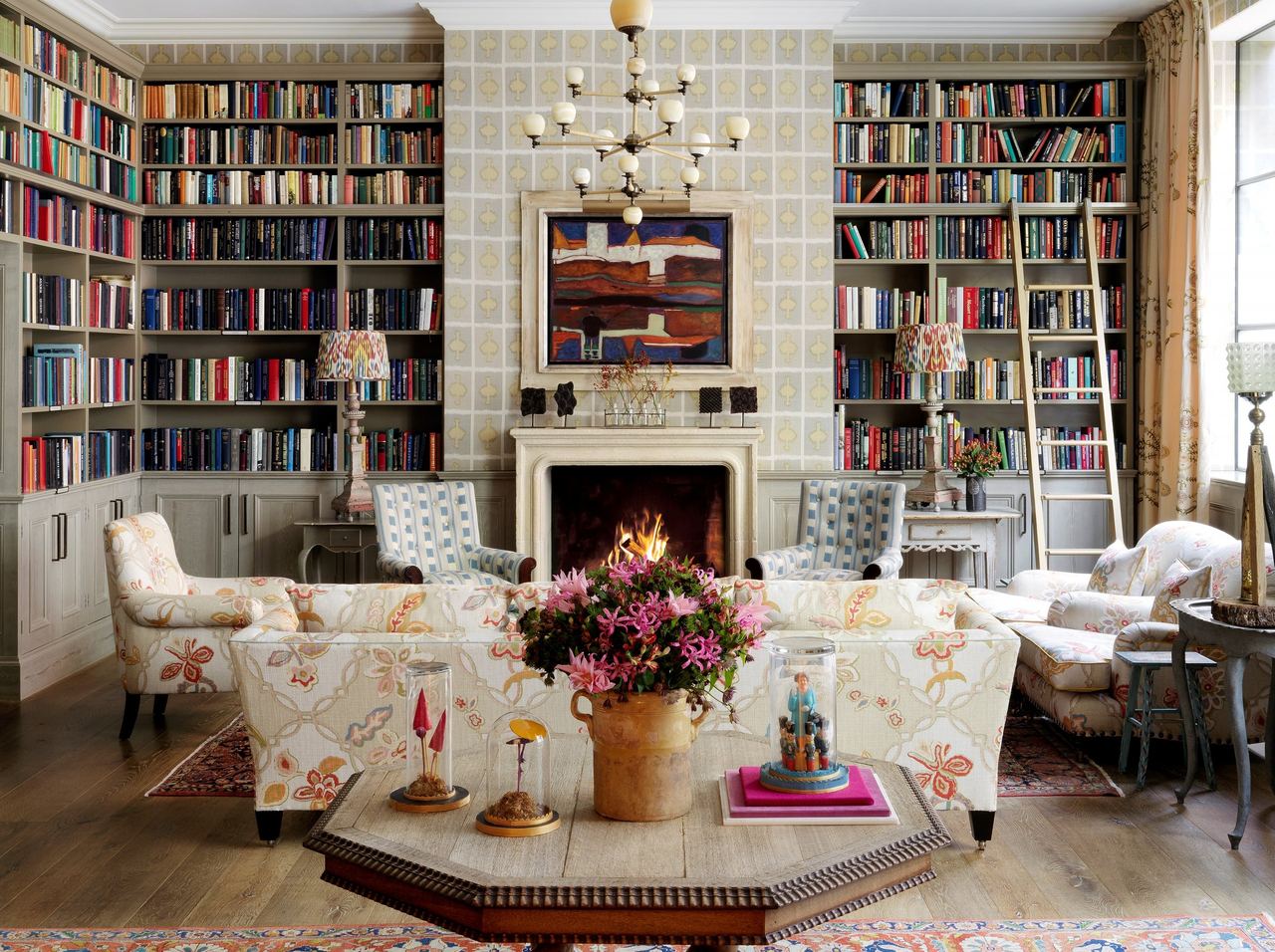
Photo Credit
Image courtesy of © Ham Yard HotelKitchens and pantries
The pantry is back, and it has brought its glass jars with it. Even in a small London kitchen, a tall larder cupboard with shelves inside the doors holds more than a run of wall units. A dresser, painted or old, gives display and storage in one; and drawers below the worktop are easier to use than cupboards with things lost at the back.
Lofts and small flats
Warehouse lofts have the opposite problem: no walls to build against. A long wall of cupboards on one side, or a freestanding storage wall that doubles as a room divider, gives the space structure as well as somewhere to put things. In a small flat, every piece of furniture should earn its keep twice: a bed with drawers, an ottoman with a lid, a bench that hides the boots. And the bicycle?
A wall-mounted rack in the hall, or a proper store in the front garden, is the single best gift a Londoner can give their own front door.
Questions and answers
How do you add storage to a Victorian terrace?
Build cupboards and shelves into the alcoves beside the chimney breasts, fit out the space under the stairs with pull-out drawers, and use the eaves in a loft conversion.
Where can you see how Londoners lived at home in the past?
At the Museum of the Home in Hoxton, whose Rooms Through Time galleries show four centuries of London homes; entry is free.
Why it's on our list
- Built without cupboards
- The alcove
- Under the stairs and in the eaves
- Mansion flats and long corridors
- Kitchens and pantries
- Lofts and small flats
Location
The map comes from Google Maps, which sets its own cookies once it loads.
More in depth
 Interiors with Tara de la Motte · London editionAl fresco in London: roof terraces, balconies and the back gardenTurning a London garden, roof terrace or balcony into an outdoor room.
 The back storyGarden squares and mews houses: London’s most charming homesHow the garden square and the mews house shaped Georgian and Victorian London.
 The back storyBuying a home in London from overseas: how the process worksFrom first viewing to completion: buying in London from abroad. General information.