Interiors with Tara de la Motte · London edition
The London bedroom: a room for rest in a city that never quite sleeps
A calm London bedroom: the right bed, proper blackout and quiet, and hotel-room ideas.
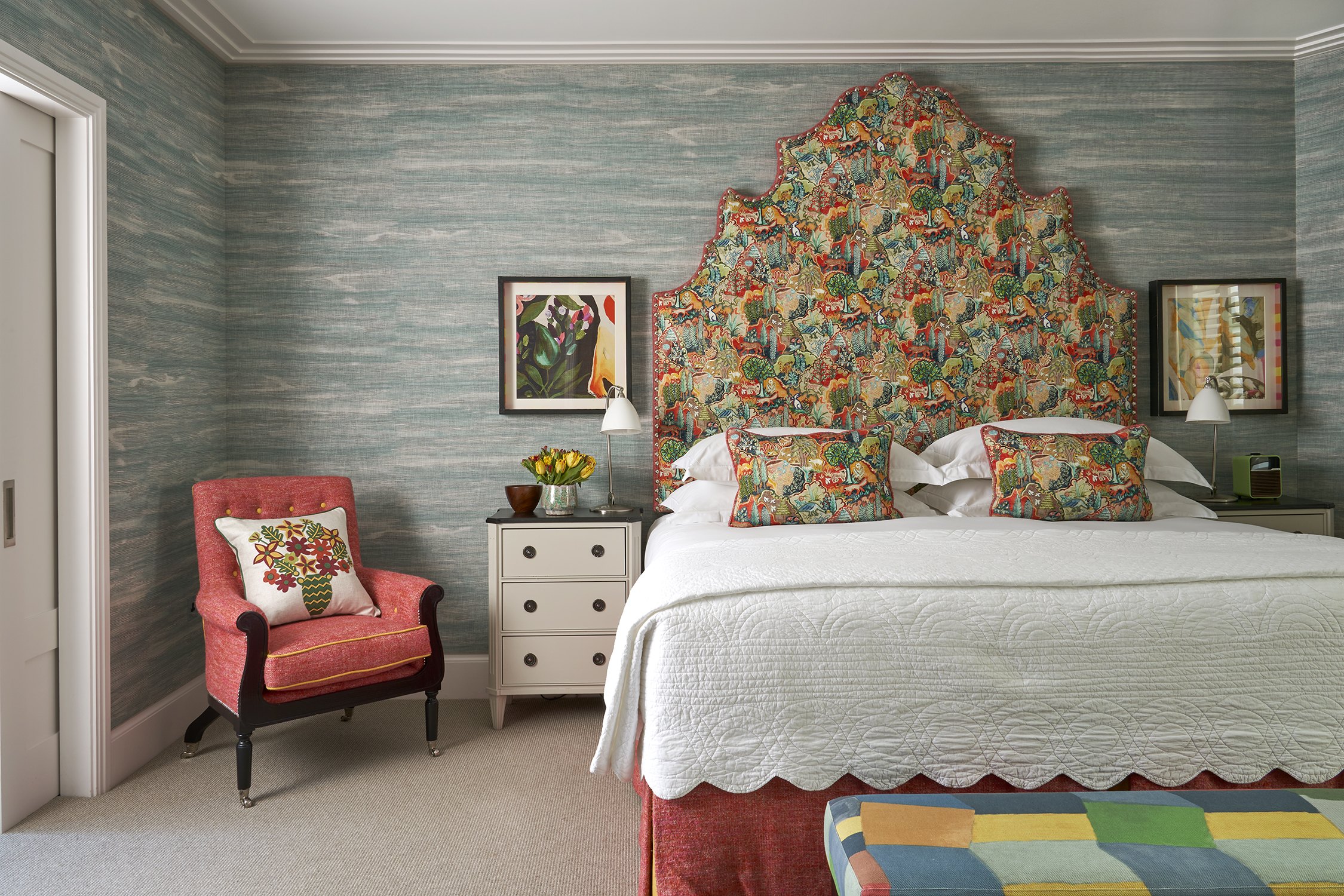
Photo Credit
Image courtesy of © Ham Yard HotelBuses, sirens, foxes and a summer dawn at half past four: London is not designed for sleep. Tara de la Motte on making the bedroom a refuge from it, starting with the bed and finishing with thick curtains, and on the hotel rooms that do it best.
We spend about a third of our lives asleep, and in London we have to work harder for it than most. The bedroom should be the one room where nothing needs doing and the city is politely kept outside.
Start with the bed
The easiest way to design a bedroom is still Tara’s: begin with the bed. Look at how London’s best hotel rooms are dressed, a tall upholstered headboard in a Kit Kemp fabric at Ham Yard Hotel, a red-walled four-poster room at The Zetter in Clerkenwell, and you will see that the bed is always the star. Choose its style first and build the room around it.
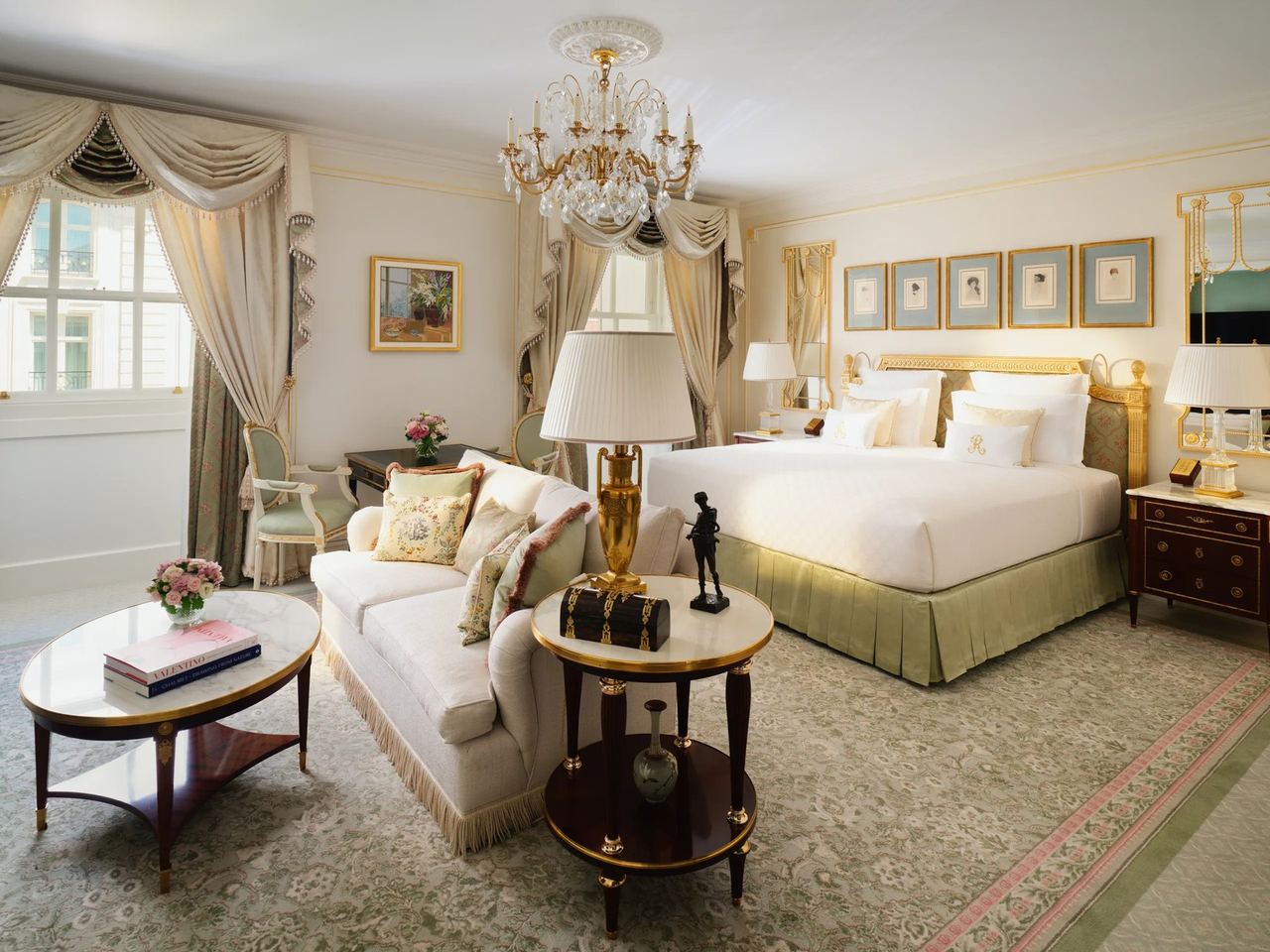
Photo Credit
Image courtesy of © The Ritz LondonThe mattress
A mattress is a ten-year relationship, so give the first date some time. Lie on it in the shop, on your side and your back, for longer than the assistant thinks is normal, and bring whoever shares the bed: one firm-sleeper and one soft-sleeper is the commonest marriage in London, and some makers will build a mattress with a different tension on each side.
And measure the stairs before you buy: many a London bed has been defeated by a Victorian staircase with a turn in it, which is why so many good mattresses now arrive rolled or the bases come in two halves.
Dressing the bed
The best rule for bed linen is fewer sets of better cotton. Percale is cool and crisp, the choice for anyone who sleeps hot in an overheated London flat; sateen is smoother and warmer; washed linen looks properly lived-in from day one and only gets softer. Finish with a wool throw across the foot, two good pillows each and a couple of cushions, no more: a bed buried in cushions is a bed nobody can get into.
Look at how a good London hotel dresses a bed: it is always the star, and everything else in the room plays a supporting role.
Dark and quiet
This is where a London bedroom differs from a seaside one. Street lamps and the long summer dawn mean blackout matters: a roller blind in blackout fabric behind lined, interlined curtains is the classic answer, and interior shutters help too. Noise is the other enemy.
Heavy curtains, a thick rug and upholstered furniture all soak up sound, and secondary glazing, a slim second window inside the original sash, cuts traffic noise without changing the look of the house, which matters in conservation areas.
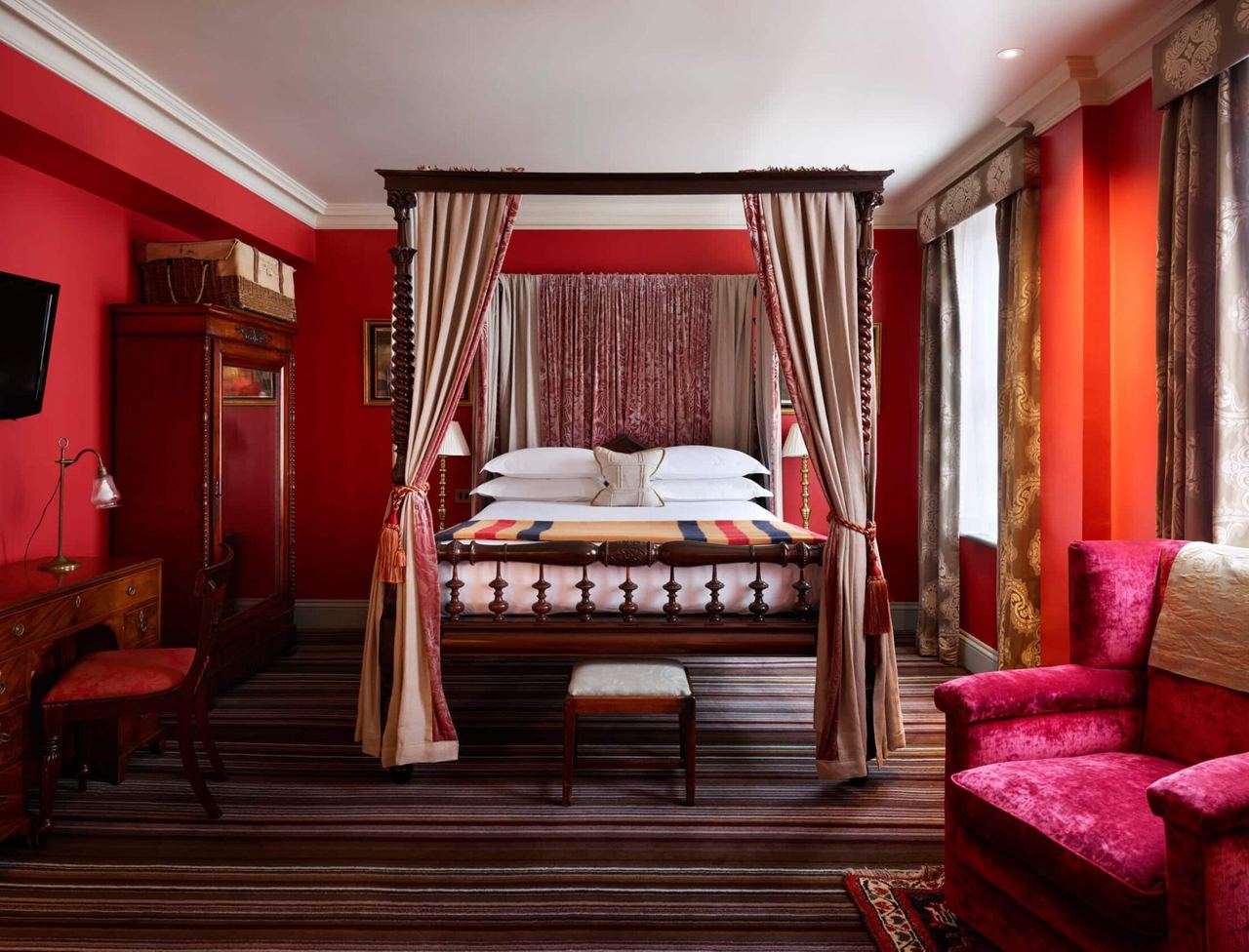
Photo Credit
Image courtesy of © The ZetterSmall rooms and high ceilings
London bedrooms tend to come in two sizes: the tall, elegant front room of a terrace and the narrow back one. In the tall room, a high headboard and full-length curtains hung close to the cornice use the height. In the small one, built-in wardrobes painted the colour of the walls disappear, wall lights free the bedside tables, and a bed with storage beneath does the work of a chest of drawers.
Calm, not clutter
Keep work, screens and laundry out if you possibly can. A clear room helps a busy head switch off, and in a city that never quite does, that is the greatest luxury of all.
Questions and answers
How do you make a London bedroom quieter?
Heavy lined curtains, rugs and upholstery absorb sound, and secondary glazing inside the original window cuts traffic noise without changing the look of the house.
Where should you start when designing a bedroom?
With the bed: choose its style first and build the rest of the room around it.
Why it's on our list
- Start with the bed
- The mattress
- Dressing the bed
- Dark and quiet
- Small rooms and high ceilings
- Calm, not clutter
Location
The map comes from Google Maps, which sets its own cookies once it loads.
More in depth
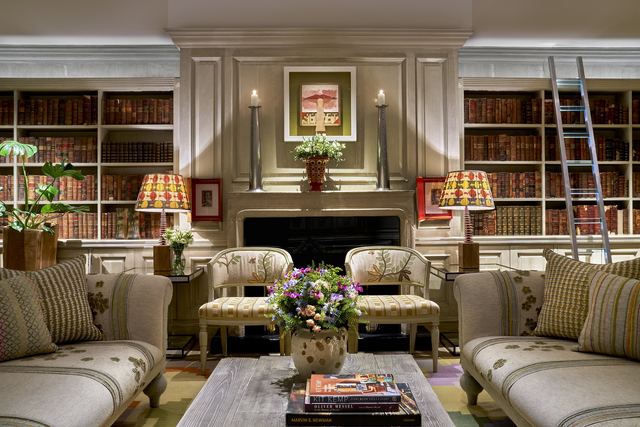 Interiors with Tara de la Motte · London editionLighting a London room: a good glow on a grey afternoonLayers of light for deep terraces and dim basements, and the house museums that do it best.
 Interiors with Tara de la Motte · London editionLondon floors: old boards, hall tiles and the rug that saves the roomPine boards, Victorian hall tiles, parquet and rugs, and the neighbours below.
 Interiors with Tara de la Motte · London editionLondon walls: wallpaper, paint and tiles from Morris to de GournayWallpaper’s London story, from William Morris to hand-painted panels, plus paint and tiles.