The ponies
How polo ponies are cared for
Vets on call, welfare officers in the lines and strict limits on play: how polo protects its ponies.
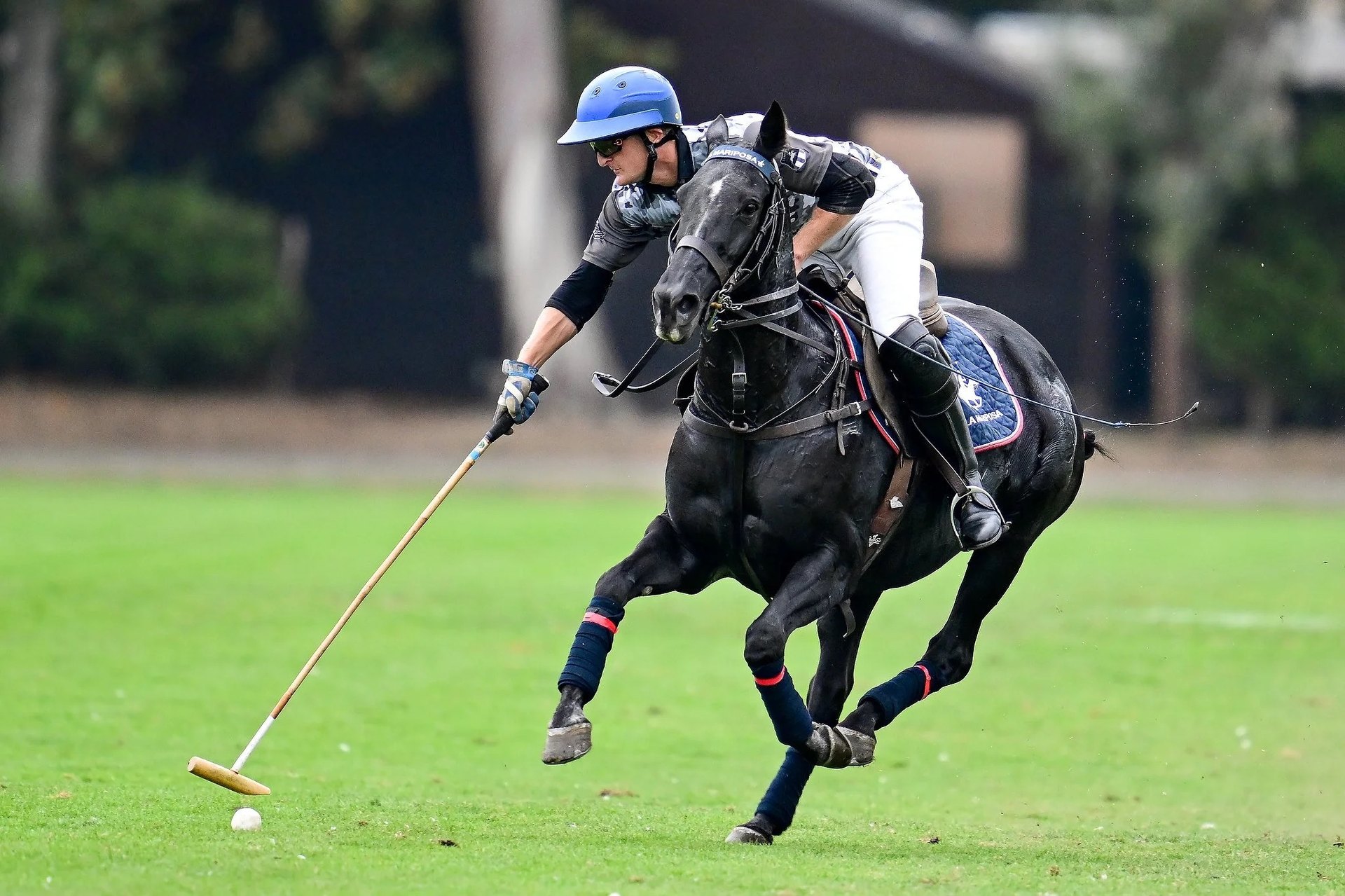
Photo Credit
Image courtesy of © Ham Polo ClubWalk behind the stands at any polo ground and the real life of the day is there in the pony lines: steam rising off the necks of the ponies who have just come off, grooms sponging them down, fresh ponies tacked up and waiting at the field corners. The game is played on horseback, and the rules that protect the horses are some of the strictest in sport. Here is what they say, and what you can see for yourself from the boards.
The pony comes first
Ask anyone who has spent a season in polo and they will tell you the ponies are the reason everyone comes. The Hurlingham Polo Association, which writes the rules for the game in England, puts their welfare in black and white. A pony may play no more than 7½ minutes without a ten-minute break, no more than 15 minutes in a normal match and no more than three full chukkas in a day.
That is why a high-goal player may bring several ponies to a single match, and why the pony lines are as busy as the pitch.
Who is watching
Every club must appoint a Club Welfare Officer, the HPA’s rules say, and that officer must be present at all matches to watch over the pony lines: for skin disease, poor condition, badly fitted or illegal tack, and to make sure clean water is there and the ponies are offered it after playing and before they leave the ground. A vet must be present or on immediate call at every match, and a horse ambulance must be ready.
Anyone, including a member of the public, can raise a welfare concern with the HPA, confidentially if they wish, and its Welfare Committee can have any pony inspected at short notice.
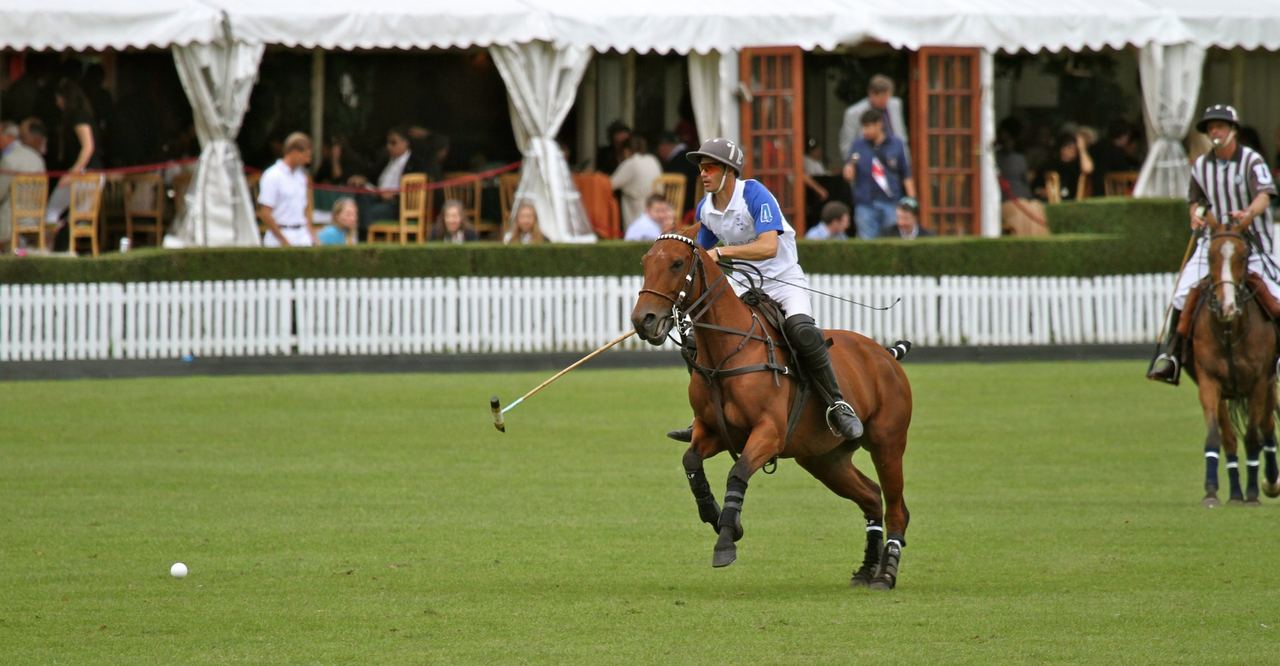
Photo Credit
Image courtesy of © Billpolo · CC BY-SA 3.0 via Wikimedia CommonsThe rules of the stick, the whip and the spur
The rule book is precise. The whip may be used only in the left hand, only while the ball is in play and only down the shoulder or on the quarters; misuse earns a penalty. Spurs must be blunt, with a single short shank, and a pony showing spur damage may not play. Tongue ties and cinch girths are banned, sensory whiskers may not be trimmed and ear twitching is forbidden.
On hot days, when the Met Office issues an amber heat warning or 28°C is forecast, umpires give players a full minute for free changes of pony. Ponies are blood-tested for medication at random, and every pony must be microchipped, vaccinated and carry its passport.
The grooms
Behind every pony is a groom, and on match days they are the hardest-working people at the ground: tacking up, bandaging all four legs, putting up tails, walking ponies off and cooling them down between chukkas. The HPA publishes its pony welfare guidelines for owners and grooms in English and Spanish.
When the best playing pony is named at the prize-giving, the HPA asks clubs to give it only to a pony that is fit, not distressed and free of whip or spur marks: a prize, in other words, for good horsemanship as well as good play.
No pony may play more than 7½ minutes without a ten-minute rest, or more than three chukkas in a day.
What you can see from the boards
You do not need to be a vet to notice the rules at work. Watch the corners of the field, where players swap ponies in marked changing boxes. Look at the legs, every one bandaged or booted, and the tails, all tied up. Notice where the whip falls, if it falls at all. Spot the horse ambulance waiting by the pitch. And on a hot afternoon, watch for the umpires calling free changes.
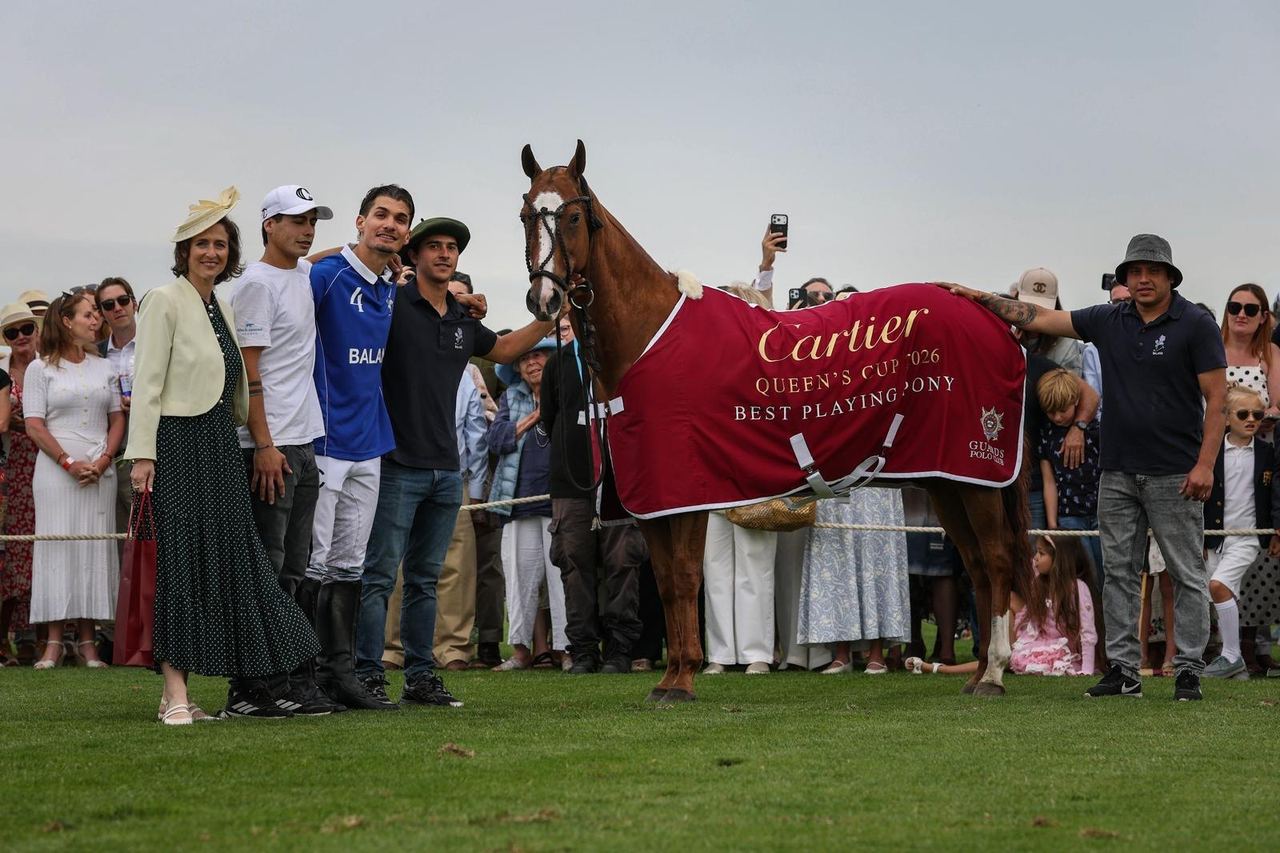
Photo Credit
Image courtesy of © Art of Polo / Guards Polo ClubAfter polo
The HPA’s rules ask owners to take reasonable steps to secure a pony’s future welfare whenever it changes hands, especially when it is retiring from polo, and recommend a heart and eye check by a vet each season for ponies aged 16 and over. The sport’s own charity, the Polo Charity Trust, counts ponies in need among the causes it supports.
Our advice: at half time, after you have trodden in the divots, wander as close to the pony lines as the club allows and watch the grooms at work. Children are kept out of the lines at Guards, and visitors at Cowdray too, so look from the edge and stay out of the way of the ponies.
Why it's on our list
- No pony may play more than 7½ minutes without a 10-minute rest
- A welfare officer in the pony lines at every match
- What a spectator can spot from the boards
Location
The map comes from Google Maps, which sets its own cookies once it loads.
More in depth
 Beginner’s guideYour first day at the polo: a beginner’s guideHow the game works, where to stand, what to wear and how long it lasts, plus how to start playing.
 The long readThe fashion of poloBreeches, button-downs and white jeans: how a game on horseback dressed the world’s wardrobe.
 The seasonThe London horse year, month by monthFrom Boxing Day at Kempton to Christmas at ExCeL: every date worth a diary, checked at source.