CHARITY · REGISTERED 220949 · FOUNDED 1870
British Red Cross
The UK’s Red Cross society, formed at a London meeting in 1870 and still first on the scene today.
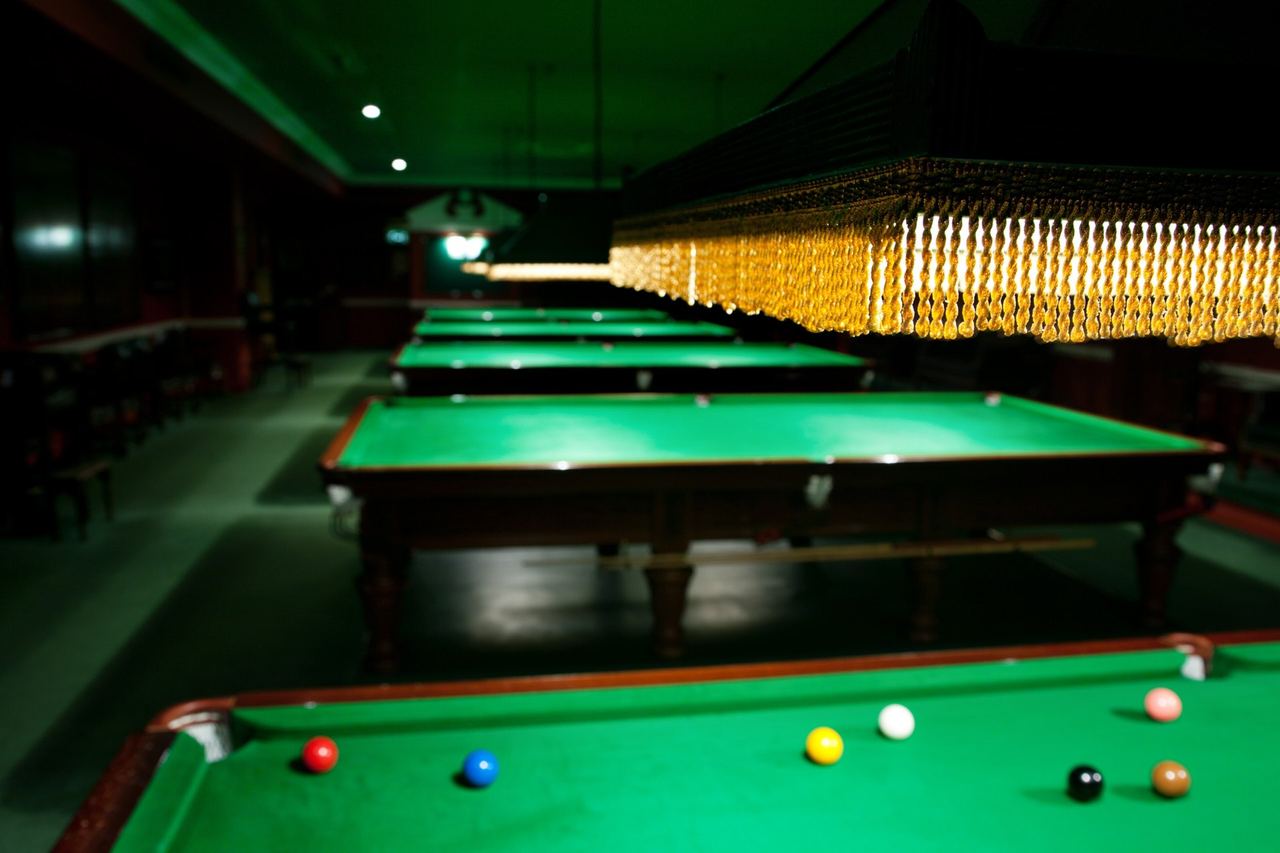
Photo Credit
In the area: Snooker tables under a long gold-fringed lamp in the Royal Automobile Club’s billiard room on Pall Mall. Image courtesy of © Jorge Royan · CC BY-SA 3.0 via Wikimedia CommonsThe British Red Cross began at a public meeting in London on 4 August 1870, soon after war broke out between France and Prussia. Formed as the British National Society for Aid to the Sick and Wounded in War, it helped both armies under the red cross emblem. It took its present name in 1905 and received a Royal Charter in 1908. Today it responds to emergencies in the UK and abroad, and it stays, in its own words, when the cameras leave.
The British Red Cross lists one-off and monthly donations, gifts in Wills, volunteering, its charity shops and first aid training and courses; details and current roles are on its website.
An idea from Solferino
The Red Cross story begins with a Swiss businessman, Henry Dunant, who was shaken by the suffering of thousands of men left without care after the Battle of Solferino in 1859. He proposed national relief societies of volunteers, trained in peacetime to give neutral and impartial help in war. A committee in Geneva took up the idea, and the founding charter of the Red Cross was drawn up in 1863.
Dunant also argued for an international agreement recognising the status of medical services and of wounded soldiers on the battlefield. The original Geneva Convention was adopted in 1864. It is hard to think of a more successful afterthought: a businessman’s horror at one battle became a set of rules that most of the world now accepts.
A London meeting in 1870
When war broke out between France and Prussia in July 1870, a letter to The Times called for Britain to form a national society like those in other European nations. On 4 August 1870 a public meeting in London resolved to form one, on the rules of the Geneva Convention. The British National Society for Aid to the Sick and Wounded in War was born.
From the start, it helped both warring armies, under the protection of the red cross emblem. In 1905 the society was renamed the British Red Cross, and in 1908 it received its first Royal Charter from King Edward VII, with Queen Alexandra as its president. In 1907 it adopted a permanent structure of local branches, taking the Red Cross into communities across the country.
Volunteers in two world wars
The Voluntary Aid Scheme of 1909 created Voluntary Aid Detachments, or VADs, across the UK to support the territorial medical forces in wartime. During the First World War about 90,000 Red Cross volunteers served, and their personnel cards survive; the charity invites families to search them online. In the Second World War it worked at home and abroad for the sick and wounded, prisoners of war and civilians.
Those records are among the charity’s quieter treasures. A searchable card for a great-grandmother who drove an ambulance, or nursed in a requisitioned country house, turns a family legend into a document. The British Red Cross also keeps museum and archive collections, with an online catalogue that tells its history through objects and stories.
The British Red Cross was born at a London meeting in 1870, and it still keeps a simple rule: help both sides, and stay when the cameras leave.
The charity has also told its history in a “Museum of kindness”, which brings together people who shaped the British Red Cross across 150 years. Its archive stories range, in its own words, from hero dogs and Christmas parties to the royal family and landmines. It is a reminder that humanitarian history is made of small, practical acts as much as of treaties and conventions.
The work today
For more than 150 years the British Red Cross has responded to humanitarian emergencies in the UK and around the world. It responds to floods, provides care in local communities, teaches first aid and is often among the first on the scene when disaster strikes. It says it remains “when the cameras leave”, helping communities recover over the long term.
The Charity Commission register shows total income of £293.5 million for the year ending 31 December 2025. The charity’s registered office is at 44 Moorfields in the City of London. It is registered in England and Wales, Scotland, the Isle of Man and Jersey.
How visitors can help
The British Red Cross lists one-off and monthly donations, gifts in Wills, volunteering, its network of charity shops and first aid training. For a visitor, a Red Cross shop is the easiest way in: a good coat or a stack of books in a London branch is a small, practical act of support, and occasionally a very good find.
Our advice: if you have time in London, browse a British Red Cross shop and donate through redcross.org.uk rather than unofficial collections. If you are staying longer, consider one of its first aid courses; it is the rare souvenir that might one day save someone’s life.
At a glance
Address: 44 Moorfields, London EC2Y 9AL
Website: redcross.org.uk
Registration: Registered charity in England and Wales (220949), Scotland (SC037738), Isle of Man (0752) and Jersey (430)
Why it's on our list
- Formed at a public meeting in London on 4 August 1870
- Granted its first Royal Charter in 1908 by King Edward VII
- About 90,000 Red Cross volunteers served in the First World War
Location
The map comes from Google Maps, which sets its own cookies once it loads.
More in depth
 The long readPrivate members’ clubs: the rooms behind the doorsChocolate houses, Pall Mall palazzos, Soho’s late nights and Rotary lunches: London’s club life.
 MEMBERS’ CLUB · SOHO · SINCE 1985The Groucho ClubSoho’s creative members’ club on Dean Street, home to writers, artists and late nights since 1985.
 MEMBERS’ CLUB · SOHO · OPENED 1995Soho House 40 Greek StreetThe original Soho House: a Grade II-listed Georgian townhouse above Cafe Boheme, opened in 1995.