CHARITY · REGISTERED 206394 · FOUNDED 1860
Battersea Dogs & Cats Home
London’s famous animal rescue, caring for dogs since 1860 and for cats since 1883.
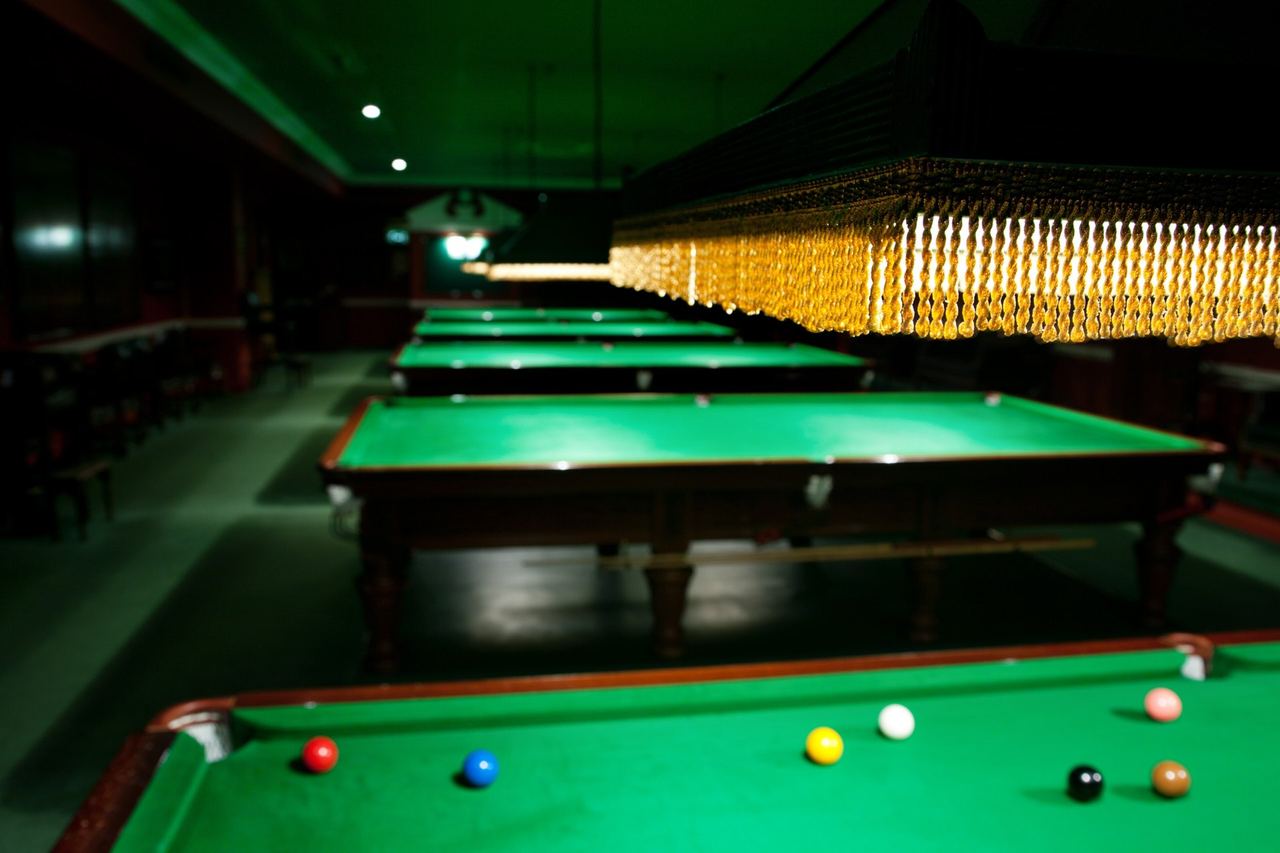
Photo Credit
In the area: Snooker tables under a long gold-fringed lamp in the Royal Automobile Club’s billiard room on Pall Mall. Image courtesy of © Jorge Royan · CC BY-SA 3.0 via Wikimedia CommonsBattersea began in 1860 as Mary Tealby’s Temporary Home for Lost and Starving Dogs, in a disused stable yard in Holloway. Neighbours complained about the barking, so in 1872 it moved south of the river and took the name the world now knows. It has cared for cats since 1883 and has helped more than 3 million animals. Charles Dickens championed it when the press laughed; the dogs, presumably, were less concerned with the reviews.
Battersea lists donations (one-off and monthly), its Paw Draw weekly lottery and raffle, sponsoring kennels or cabins, virtual gifts, challenge events and fundraising, gifts in Wills and in memory, philanthropy and business partnerships, plus volunteering, fostering and its shop.
A stable yard in Holloway
In 1860 Mary Tealby opened the Temporary Home for Lost and Starving Dogs in a disused stable yard in Holloway, North London. It was a modest, practical idea at a time when stray dogs had few friends. Two years later Charles Dickens wrote an article called “Two Dog Shows” in support of “The Home”, at a moment when much of the mainstream press preferred to ridicule it.
Holloway’s residents were less charmed. After complaints about the noise, the Home moved in 1872 to its present site in South West London and became known as Battersea Dogs Home. It is one of history’s gentler ironies that a neighbour’s grievance about barking gave a London district its most famous and most affectionate association.
Over the following century the Home kept adding practical kindnesses. In 1914 it set up a fund to help people who could not afford the dog licence then required to keep a pet. In 1967 it released a film, ‘Little Dog Lost’, about the importance of dog collars, and in 1998 it launched the Lost Dogs and Cats Line to reunite pets with their owners.
Royal patrons and wartime nights
Cats arrived in 1883, thanks to a generous donation. Two years later Queen Victoria became the Home’s first Royal Patron, two years after her son had rehomed a Battersea dog named Skippy. Queen Elizabeth II followed as Patron in 1956, and Queen Camilla took on the role in 2022. Few institutions have such a continuous record of royal dog lovers.
The Second World War tested the Home severely. Several bombs hit the London centre, and the secretary at the time, E. L. Healey-Tutt, slept in a paint shed so that someone was always on hand to care for the animals. It is the kind of detail that explains why Battersea commands such loyalty: when things went wrong, someone stayed with the dogs.
The work today
Battersea grew beyond London. It bought a second centre at Old Windsor in 1979 and opened a third, at Brands Hatch in Kent, in 1999. In 2002 it formally became Battersea Dogs & Cats Home, giving the cats the billing they had earned, and in 2018 it began to use the simpler name Battersea. A new veterinary hospital opened at the London centre in 2016.
Neighbours in Holloway complained about the barking, so the dogs moved south of the river, and Battersea became a name known around the world.
By its own count the charity has helped more than 3 million animals in the UK and around the world. Today it rescues and rehabilitates dogs and cats, rehomes them, campaigns against the causes of poor animal welfare and shares its expertise with other rescues through Battersea Academy, launched in 2018. The register shows total income of £68,430,780 for the year ending 31 December 2025.
A Battersea story for visitors
The London centre stands at 4 Battersea Park Road, close to Battersea Power Station and Battersea Park. For many visitors the name will be familiar from television: the ITV series Paul O’Grady: For the Love of Dogs, launched in 2012, carried Battersea’s work into homes across the country. In person the centre is, first and foremost, a working rescue rather than a sightseeing stop.
Travellers cannot easily take a dog home on the Eurostar, but there are plenty of other ways to help. Battersea lists one-off and monthly donations, its Paw Draw weekly lottery and raffle, sponsorship of kennels or cabins, virtual gifts, challenge events, gifts in Wills and in memory, and business partnerships. Londoners can also volunteer or foster, and there is a shop.
Why it still matters
Battersea’s story is a London story in miniature: a small private kindness, mocked at first, defended by a novelist, moved on by the neighbours and eventually adopted by the Crown. Its founder could hardly have imagined three centres, a veterinary hospital and an academy, but she would recognise the stray at the gate.
Our advice: if you are in Battersea, pair a walk in the park with a look at the Home from Battersea Park Road, then support it through its own website or shop. If you are a Londoner thinking of adopting, read Battersea’s rehoming guidance carefully first; the best gift to a rescue dog is a well-prepared home.
At a glance
Address: 4 Battersea Park Road, London SW8 4AA
Website: battersea.org.uk
Registration: Registered charity in England and Wales no. 206394
Why it's on our list
- Founded by Mary Tealby in Holloway in 1860
- Queen Victoria became its first Royal Patron in 1885
- Has helped more than 3 million dogs and cats, by its own count
Location
The map comes from Google Maps, which sets its own cookies once it loads.
More in depth
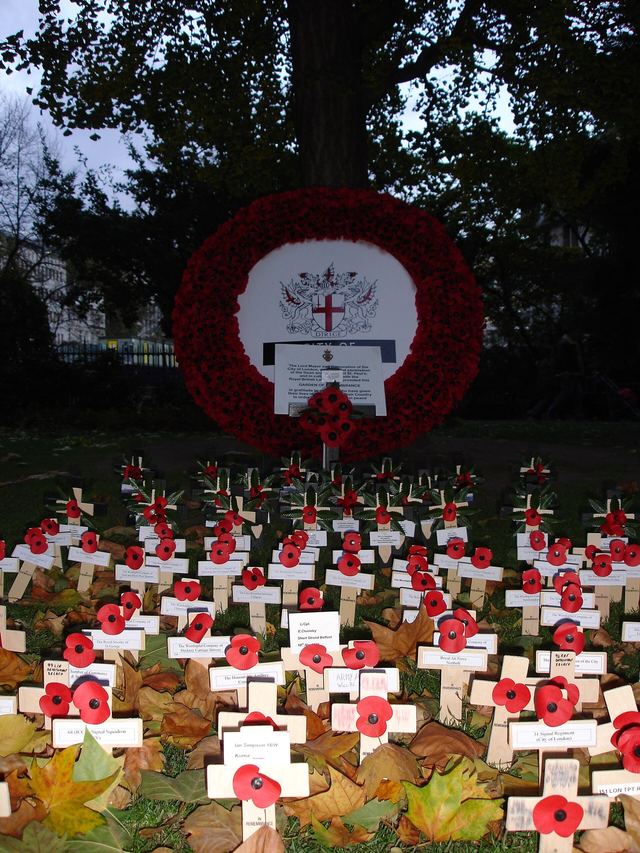 CHARITY · REGISTERED 219279 · FOUNDED 1921The Royal British LegionThe Armed Forces charity behind the Poppy Appeal, supporting veterans and families since 1921.
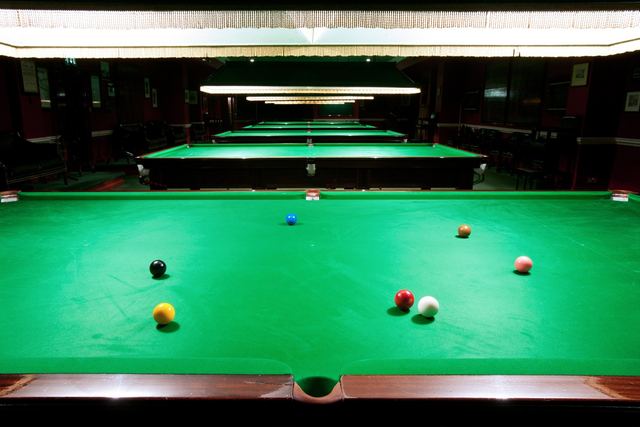 The long readPrivate members’ clubs: the rooms behind the doorsChocolate houses, Pall Mall palazzos, Soho’s late nights and Rotary lunches: London’s club life.
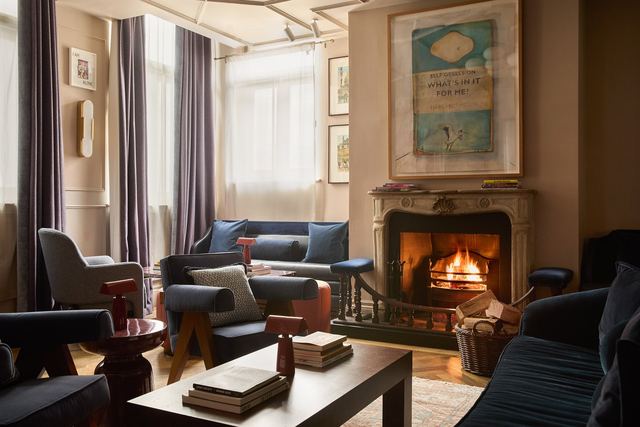 MEMBERS’ CLUB · SOHO · SINCE 1985The Groucho ClubSoho’s creative members’ club on Dean Street, home to writers, artists and late nights since 1985.