SERVICE CLUB · LONDON · FOUNDED 1911
Rotary in London
Rotary came to London in 1911, six years after Paul Harris founded it in Chicago.
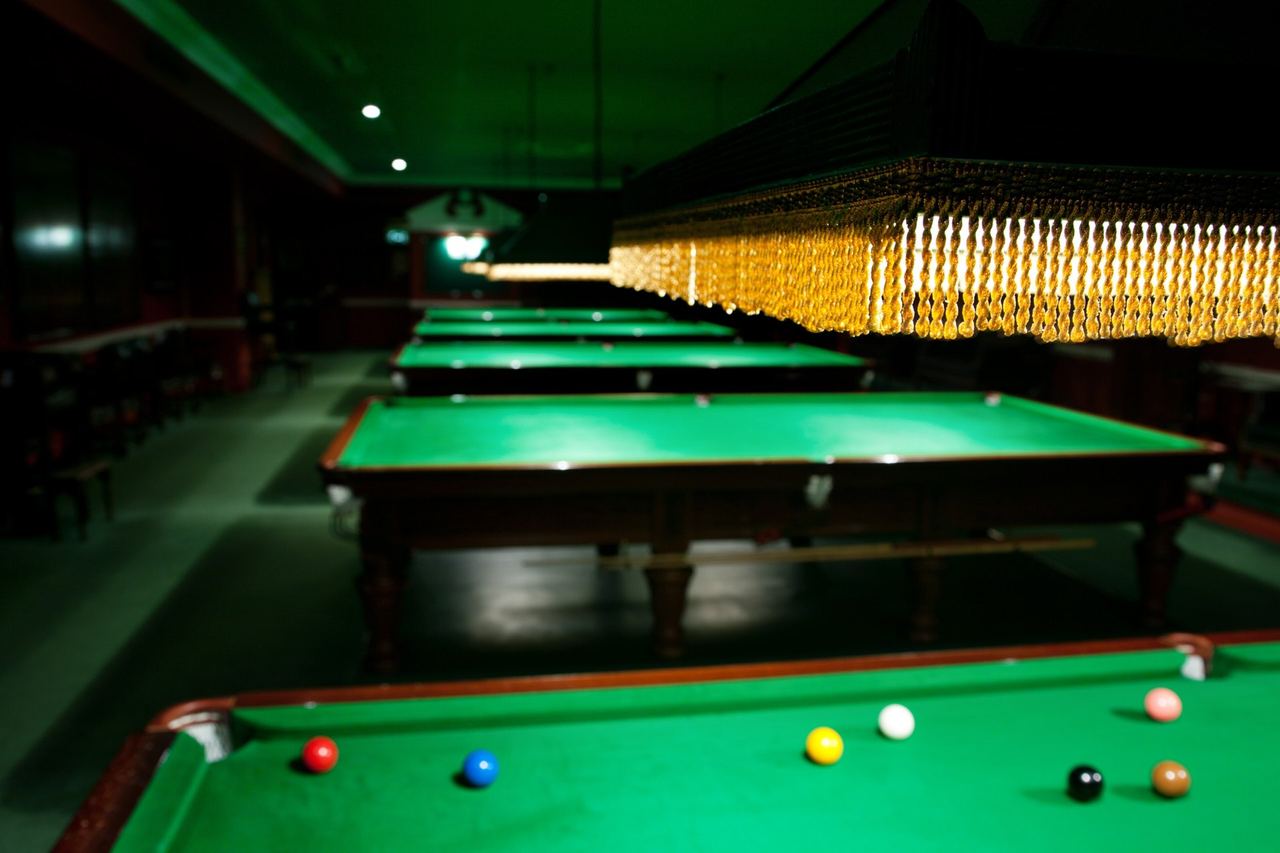
Photo Credit
In the area: Snooker tables under a long gold-fringed lamp in the Royal Automobile Club’s billiard room on Pall Mall. Image courtesy of © Jorge Royan · CC BY-SA 3.0 via Wikimedia CommonsRotary was born in Chicago in 1905, when the attorney Paul Harris gathered three friends in an office to form a club for local professionals. London followed quickly: the Rotary Club of London was founded in 1911, one of the first Rotary clubs outside North America, and it held its first meeting at Simpson’s in the Strand. Today Rotary clubs across the capital combine fellowship with community and international service.
Room 711
Rotary began with four men in one small office. On 23 February 1905 Paul Harris, a Chicago attorney, met Gustavus Loehr, Silvester Schiele and Hiram Shorey in Loehr’s office, Room 711 of the Unity Building in downtown Chicago. From that meeting grew one of the largest service organisations on earth: Rotary now counts 1.2 million members in 32,000 clubs across more than 200 countries.
The idea travelled quickly. In 1910, at the first national convention in Chicago, the sixteen clubs then in existence united as the National Association of Rotary Clubs, the body that became Rotary International. Within a year the movement had crossed the Atlantic.
Lunch at Simpson’s
The Rotary Club of London was founded in 1911 and held its first meeting at Simpson’s in the Strand. In 1912 it received its charter, the first Rotary club in Europe to do so. Many London institutions began over lunch; rather fewer can claim the lunch is still going.
Clubs followed in Glasgow, Belfast, Dublin, Edinburgh, Manchester and Liverpool in 1913, and Birmingham in 1914, when representatives met in London to form the British Association of Rotary Clubs. In 1922 the clubs of Great Britain and Ireland united under the Rotary International name. That year’s conference, held in Brighton, heard that the movement had reached 101 clubs and about 6,000 members.
The Strand at night
The First World War gave London Rotary its first great task, and the club’s centenary history tells it vividly. As hospitals filled with the wounded, members organised tea and entertainment parties, each for three hundred men brought by coach, car or ambulance. Jack Hayman, manager of the Victoria Palace and a member, brought in leading entertainers who performed without fee.
Members took night duty at the London termini, Euston above all, meeting servicemen off trains at every hour with advice on beds, connections and canteens. They also ran the Eagle Hut, a temporary building on the site of the old Tivoli Music Hall in the Strand, from 6pm on Tuesday to 8am on Wednesday, staging 28 full variety shows. Over Christmas 1918 the “Hutters” took 1,200 men into their homes.
Many London institutions began over lunch; rather fewer can claim the lunch is still going.
On 28 November 1918, at Gordon Selfridge’s invitation, the club gave a Thanksgiving turkey dinner in his store for several hundred American soldiers and sailors. Then came the harder work of peace. In 1919 a committee called “Jobs for Demobs”, run from a room in Horrex’s Hotel off the Strand, found work for more than three hundred returning men in two years.
Service above self, in practice
The war years also produced Rotary’s great engine of giving: The Rotary Foundation was formed in 1917 and over the past century has spent more than $4 billion on projects around the world, with a polio-free world as Rotary’s top goal. Rotary GB&I’s causes today range from clean water and education to saving mothers and children, peace and the environment.
In Great Britain and Ireland, Rotary has some 32,000 members in more than 1,500 clubs. London’s Rotary is less one club than a network: clubs meeting at breakfast, lunch or in the evening, plus online e-clubs for people whose diaries will not bend. That it still works says something about the city. Professional London has always run on introductions; Rotary simply attached a conscience to the habit.
It has also loosened up. You can join an existing club, join Rotary directly, form a new club, take corporate membership, or simply volunteer on projects as a Friend of Rotary. Members must be 18 or over, but there are Rotary groups for young people from the age of seven. The weekly lunch survives, but it is no longer the only way in.
Our advice: use Rotary GB&I’s online Club Finder, which searches by distance, meeting day and time of day, and includes e-clubs. Contact the club before you go, both to check where it is meeting and to ask about attending as a guest; Rotarians visiting from abroad will find the same search the quickest way to a London meeting.
At a glance
Website: rotarygbi.org
Why it's on our list
- Rotary founded in Chicago in 1905
- London club founded 1911
- First meeting at Simpson’s in the Strand
Location
The map comes from Google Maps, which sets its own cookies once it loads.
More in depth
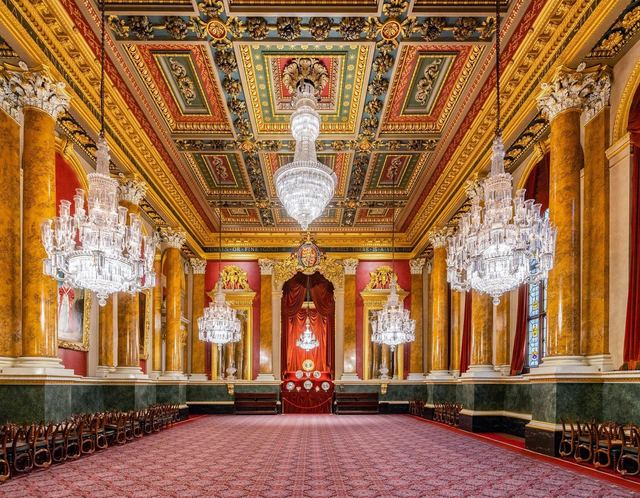 LIVERY COMPANY · CITY OF LONDON · CHARTER 1327The Goldsmiths’ CompanyGreat Twelve company on its Foster Lane site since 1339, where hallmarking began.
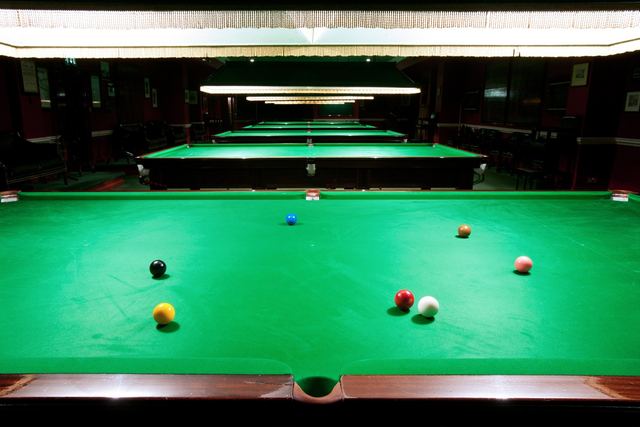 The long readPrivate members’ clubs: the rooms behind the doorsChocolate houses, Pall Mall palazzos, Soho’s late nights and Rotary lunches: London’s club life.
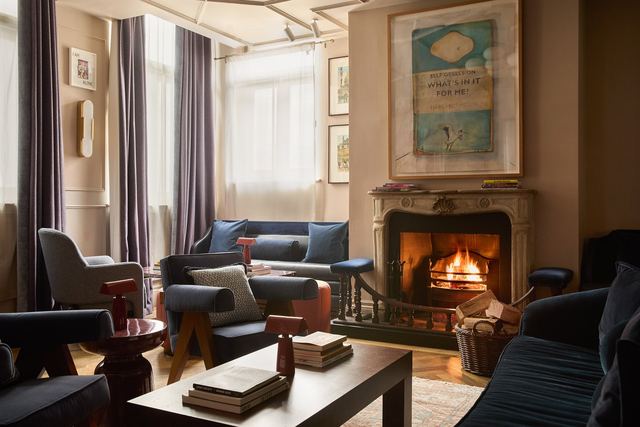 MEMBERS’ CLUB · SOHO · SINCE 1985The Groucho ClubSoho’s creative members’ club on Dean Street, home to writers, artists and late nights since 1985.