CHARITY · REGISTERED 219279 · FOUNDED 1921
The Royal British Legion
The Armed Forces charity behind the Poppy Appeal, supporting veterans and families since 1921.
The British Legion was formed on 15 May 1921, bringing together four organisations of ex-Servicemen after the First World War. Its first Poppy Appeal that year sold out almost immediately and raised over £106,000. Today it supports serving and ex-serving personnel and their families with money, work, housing and recovery. Each autumn, on London Poppy Day, a paper flower becomes the city’s most worn accessory.
The Legion lists single and monthly donations, gifts in Wills, Poppy Appeal fundraising, challenge events, volunteering (including London Poppy Day, when registration is open), corporate partnerships, its Poppy Shop and membership through local branches.
Born from four organisations
The British Legion was formed on 15 May 1921. It brought together four national organisations of ex-Servicemen that had grown up after the First World War: the National Association of Discharged Sailors and Soldiers, the British National Federation of Discharged and Demobilized Sailors and Soldiers, the Comrades of The Great War and The Officers’ Association.
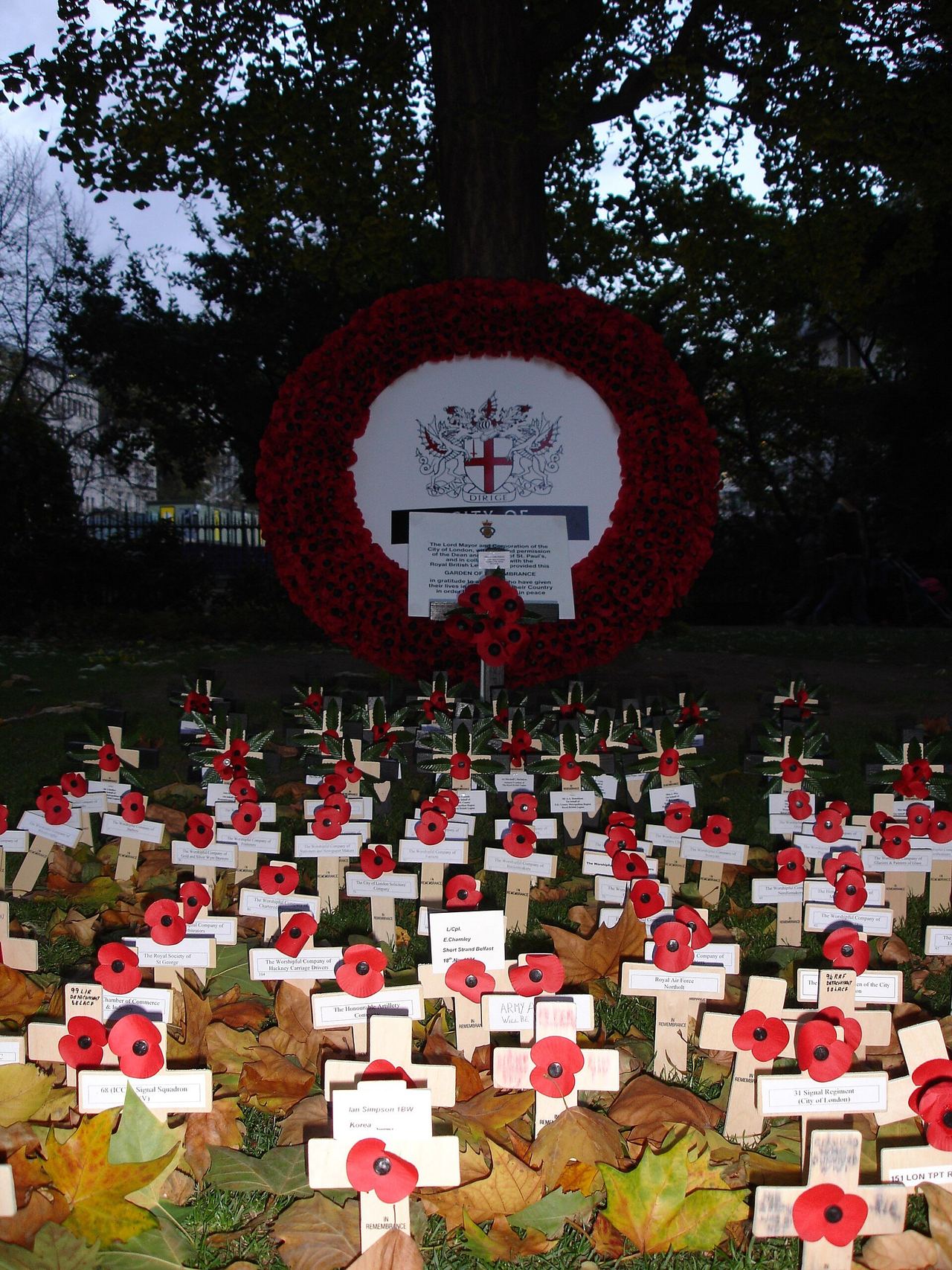
Photo Credit
Image courtesy of © on_dit · Public domain via Wikimedia CommonsThe Legion credits the merger largely to two men, one of them Field Marshal Earl Haig, who served as its President until his death. It was, in effect, an act of consolidation by people who had seen enough division for one lifetime.
The need was enormous. By the Legion’s own account, more than six million men had served in the war. Of those who came home, 1.75 million had suffered some kind of disability, and half of them were permanently disabled. In 1921 there were two million people unemployed in Britain, and behind the veterans stood widows, orphans and parents who had lost the sons they depended on.
The first poppy
By 1921 the tradition of a Two Minute Silence was already established, and the first Poppy Appeal was held that year. The poppies sold out almost immediately and raised over £106,000, a considerable sum at the time. The money went to help First World War veterans with employment and housing, which is to say the very practical business of getting a life back after a war.
More than a century later, the poppy has become one of the most recognised symbols in Britain. It is a remarkable piece of design by any standard: a few pieces of paper and plastic that say, without a word, that someone remembers. It is also, quietly, a remarkably effective way of raising money.
The work today
The Royal British Legion supports serving and ex-serving personnel and their families all year round. Its support begins after just seven days of service and continues through life, long after service is over. It covers rehabilitation and recovery, financial help, employment, housing and other services, and it sits at the centre of a national network caring for the Armed Forces community.
Each autumn a paper flower becomes London’s most worn accessory, and every one of them goes back to the people who served.
The Charity Commission register shows total income of £168,476,000 for the financial year ending 30 September 2025. The Legion’s headquarters is at 199 Borough High Street in Southwark, a short walk from London Bridge. The Poppy Appeal remains its best-known moment of the year.
The Legion is also a membership organisation, with branches across the country and a members’ hub. It marked its centenary in 2021 by looking forward rather than back, promising to remain a charity fit for its next hundred years. For many families, the local branch is where support begins: a familiar face, a cup of tea and someone who knows the paperwork.
London Poppy Day
For visitors in late October, the most visible sign of the Legion is London Poppy Day, when volunteers collect across the capital’s stations and streets. In 2026 it fell on 29 October, and volunteers were asked to give at least two hours, with the option of a full day. Rail travel and food vouchers were offered to authorised volunteers; registrations for 2026 are now closed.
The Legion stresses that volunteers have been at the heart of the Poppy Appeal for more than 100 years, and that London Poppy Day relies on the help of emergency services, civilian agencies and businesses. For a visitor, buying a poppy from one of those volunteers is the simplest way to take part in a tradition that predates almost everything else on a London itinerary.
How to support it
The Legion lists many ways to help: single and monthly donations, gifts in Wills, fundraising for the Poppy Appeal, running, cycling and other challenge events, volunteering, corporate partnerships and its Poppy Shop. Supporters can also join as members through local branches. The Legion’s supporter line is +44 345 845 1945.
Our advice: if you are in London in late October or early November, buy your poppy from an official Legion collector or the Poppy Shop, and wear it with care. If you would like to give more, donate directly through britishlegion.org.uk, where the Legion explains exactly what the Appeal supports.
At a glance
Address: 199 Borough High Street, London SE1 1AA
Website: britishlegion.org.uk
Telephone: +44 345 845 1945
Registration: Registered charity in England and Wales no. 219279
Why it's on our list
- Formed on 15 May 1921 from four ex-Service organisations
- Its first Poppy Appeal, in 1921, raised over £106,000
- Support begins after seven days of service and continues for life
Location
The map comes from Google Maps, which sets its own cookies once it loads.
More in depth
 The long readPrivate members’ clubs: the rooms behind the doorsChocolate houses, Pall Mall palazzos, Soho’s late nights and Rotary lunches: London’s club life.
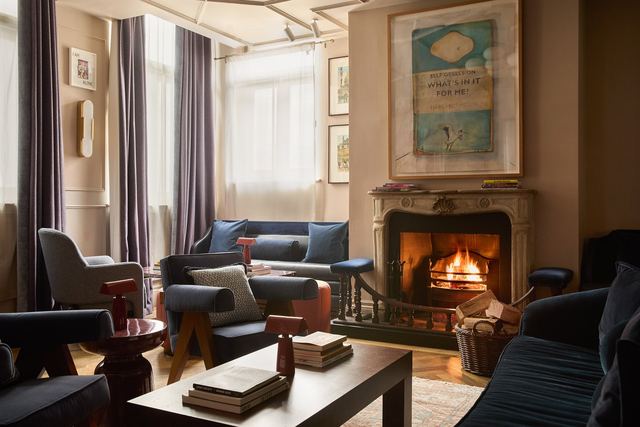 MEMBERS’ CLUB · SOHO · SINCE 1985The Groucho ClubSoho’s creative members’ club on Dean Street, home to writers, artists and late nights since 1985.
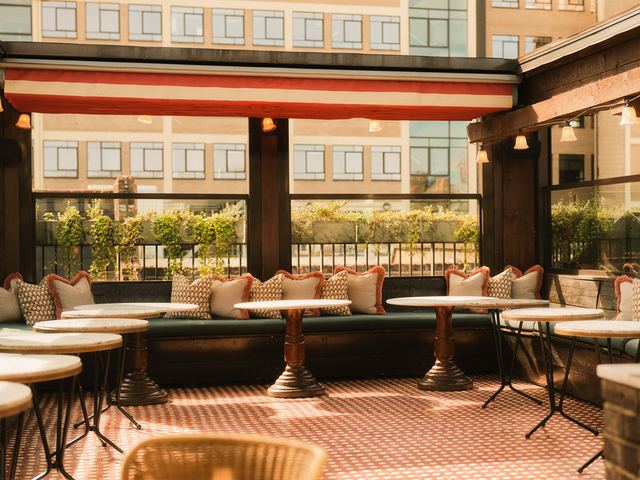 MEMBERS’ CLUB · SOHO · OPENED 1995Soho House 40 Greek StreetThe original Soho House: a Grade II-listed Georgian townhouse above Cafe Boheme, opened in 1995.