TRADITIONAL CLUB · PALL MALL · FOUNDED 1836
The Reform Club
Charles Barry’s Pall Mall palazzo of 1841, where Phileas Fogg made his famous wager.
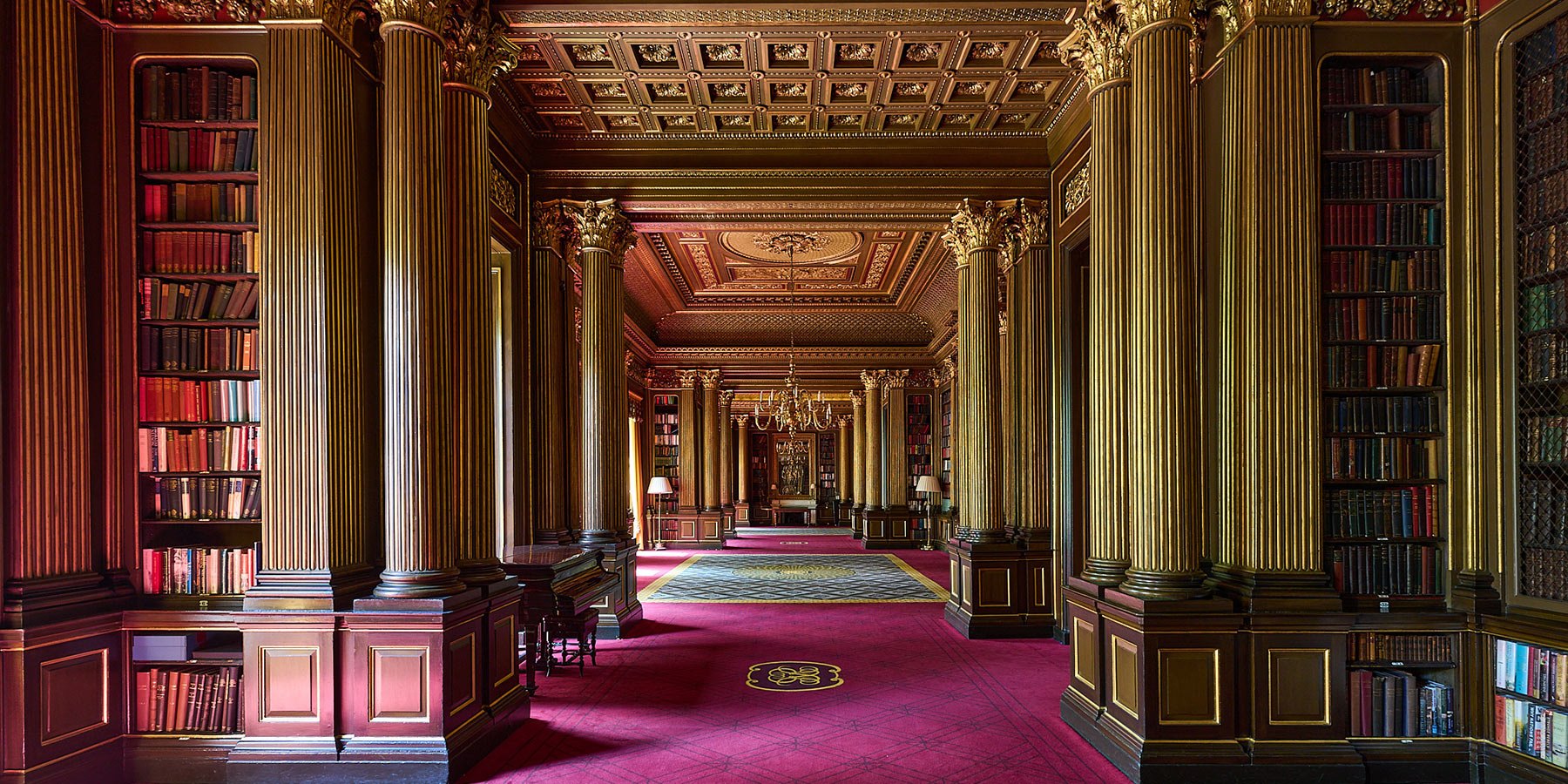
Photo Credit
Image courtesy of © the Reform ClubThe Reform opened in 1836 and moved into its Charles Barry clubhouse in 1841, a façade borrowed from Rome’s Palazzo Farnese and hailed at once as a masterpiece. Fiction made it famous: Jules Verne’s Phileas Fogg strides from Savile Row to the Reform Club, and the club regards itself as the place where the journey Around the World in Eighty Days was conceived and the bet was made. Each September it opens to the public for Open House.
Born of an argument
The Reform Club was founded in the ferment of ideas that followed the Great Reform Act of 1832, as a meeting place for the reformers of the day. It first opened its doors in a house at 104 Pall Mall on 24 May 1836, and the club’s own history notes that its membership had already reached a thousand. By the 1920s it had become an exclusively social club, which it remains.
It also had a head start on its neighbours in one important way. In 1981, long before any of the other traditional clubs, the Reform changed its rules to allow women to become members. Today it states plainly that membership is open to all on an equal basis, a sentence that took some of its Pall Mall neighbours several more decades to write.
Barry’s Roman palace
After an architectural competition, Charles Barry was chosen to build a new clubhouse, finished in 1841 and hailed at once as a masterpiece. Its façade borrows from the Palazzo Farnese in Rome, completed by Michelangelo, which Barry had studied as a student. The club notes how markedly it departs from the Gothic style Barry used for the new Houses of Parliament.
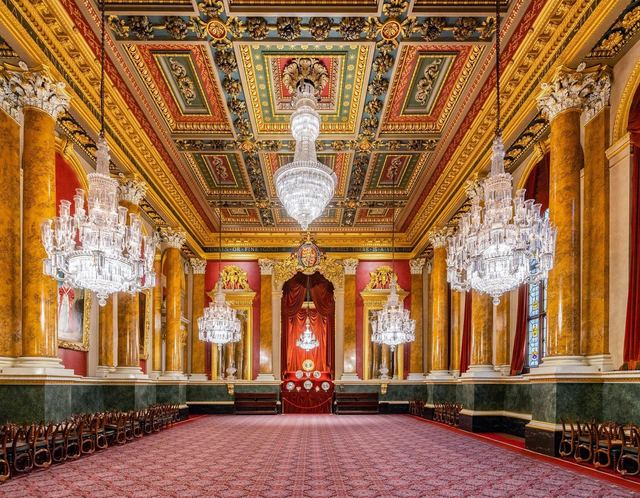
Outside, it is all Portland stone and restraint: nine bays, windows framed like miniature temples, and a deep cornice carrying the rose, the shamrock and the thistle. Inside, the restraint ends. You climb into a vast atrium rising the full height of the building, roofed with glass made from a thousand faceted lead-crystal lozenges, over a mosaic floor of Etruscan design.
The walls are marble and scagliola in deep red, green, sienna, black and gold, the ceilings are gilded with elaborate letter Rs, and huge mirrors multiply the lot. The Library runs the full length of the building over Carlton Gardens, almost 120 feet long, and the club regards it as one of the finest interiors in London. It is hard to argue.
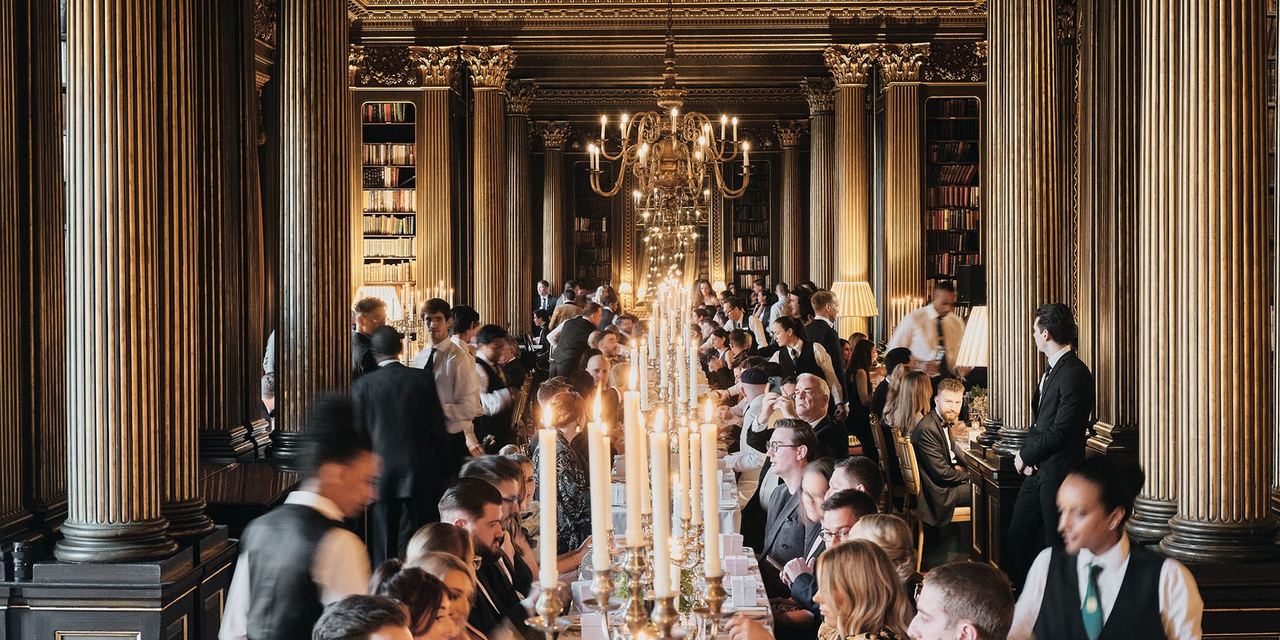
Photo Credit
Image courtesy of © the Reform ClubFogg, James and a celebrated chef
Fiction gave the Reform its widest fame. In Jules Verne’s Around the World in Eighty Days of 1872, Phileas Fogg walks from Savile Row to the Reform Club, and the club says it will forever be associated with the novel as the place where the journey was conceived and the famous bet was made. It is probably the only wager in London still honoured by a building.
It is probably the only wager in London still honoured by a building.
Real residents were no less distinguished. Henry James took a room at the club on a permanent basis, and the club believes he wrote several novels there, including The Wings of the Dove, The Ambassadors and The Golden Bowl. Past members it names include J. M. Barrie, E. M. Forster, H. G. Wells, William Makepeace Thackeray and the photographer Henri Cartier-Bresson.
The kitchens were designed to the specifications of the Victorian chef Alexis Soyer, whose portrait hangs in the Strangers’ Room alongside Thackeray and Dickens. That room is a replica of the House of Commons dining room and takes its name from the fact that it was once the only room where members could entertain guests. Victorian hospitality came with a quarantine.
A working club
The Reform is no museum. The Library, established in 1841, now holds more than 85,000 volumes, with a full-time professional librarian. The Coffee Room, the club’s principal dining room, serves breakfast daily, with a carving trolley on Thursdays, the Hansard Bar runs through the day, and the cellars lie beneath Pall Mall itself.
There are 46 bedrooms, known as chambers, for members and their guests, and members of reciprocal clubs may stay too. The club says a refurbishment of the chambers is beginning, and that since the early 1980s its membership has grown considerably, helped by the special interest societies that fill its social calendar.
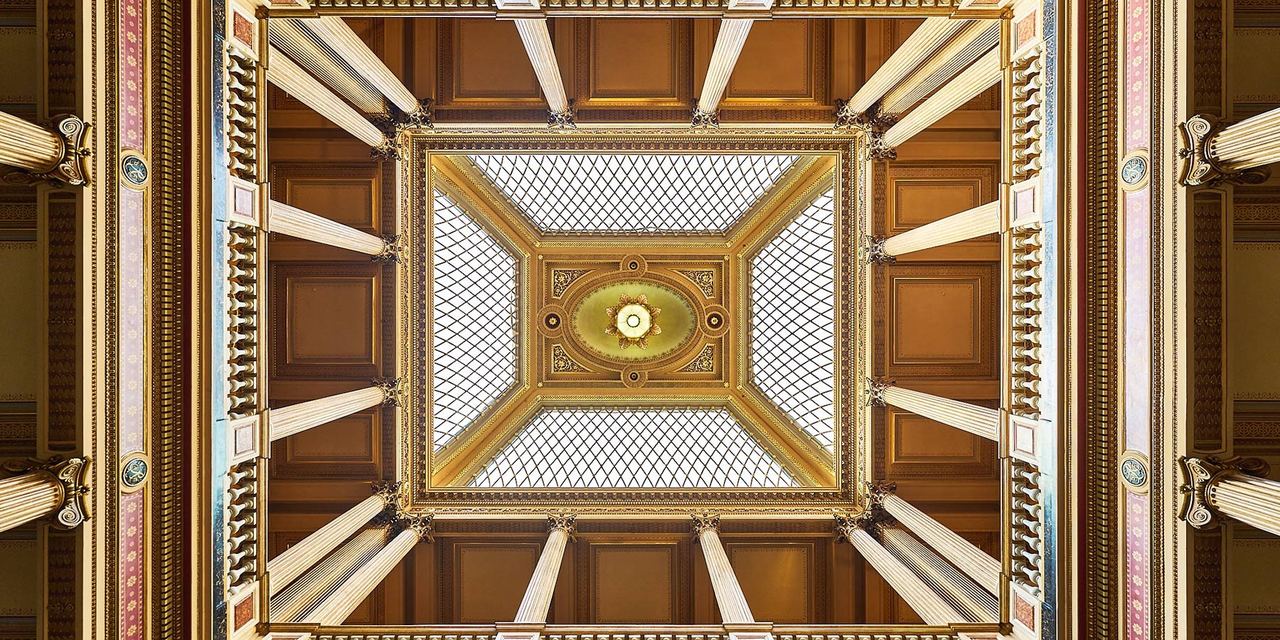
Photo Credit
Image courtesy of © the Reform ClubHow to see it
Membership is by election, and the club invites anyone interested to contact it to discuss the process. For everyone else there are two ways in. Each September the Reform takes part in Open House Festival. On weekday mornings it welcomes organised groups of at least ten, who are invited to contribute £15 a head to the Reform Club Conservation Charitable Trust; the dress code applies.
Our advice: watch the Open House Festival programme each summer for the Reform’s September opening, or gather ten friends and book a weekday group tour through the club’s website. Dress as the club’s published dress code asks, and look up as you enter the atrium.
At a glance
Address: 104 Pall Mall, London SW1Y 5EW
Website: reformclub.com
Telephone: +44 20 7930 9374
Why it's on our list
- Charles Barry clubhouse, finished 1841
- Where Phileas Fogg made his bet
- Open House Festival each September
Location
The map comes from Google Maps, which sets its own cookies once it loads.
More in depth
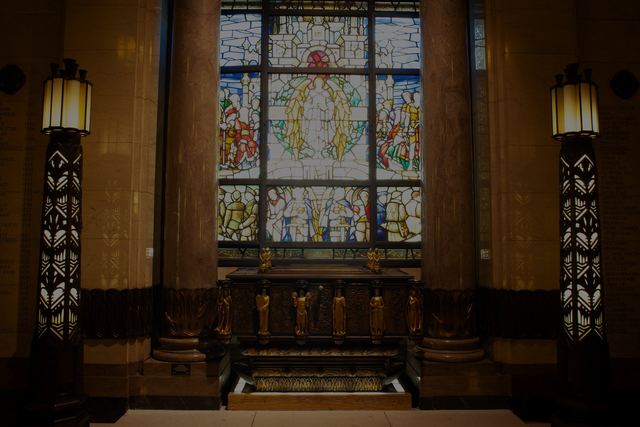 FREEMASONRY · COVENT GARDEN · OPEN TO VISITORSFreemasons’ HallThe Art Deco home of English Freemasonry, with a free museum and public guided tours.
 LIVERY COMPANY · CITY OF LONDON · CHARTER 1327The Goldsmiths’ CompanyGreat Twelve company on its Foster Lane site since 1339, where hallmarking began.
 The long readPrivate members’ clubs: the rooms behind the doorsChocolate houses, Pall Mall palazzos, Soho’s late nights and Rotary lunches: London’s club life.