Objects of Desire
Pianos, cellars and Studio One: how London learned to listen
A hall built to sell pianos, a jazz cellar that moved up the street, and Elgar at Abbey Road.
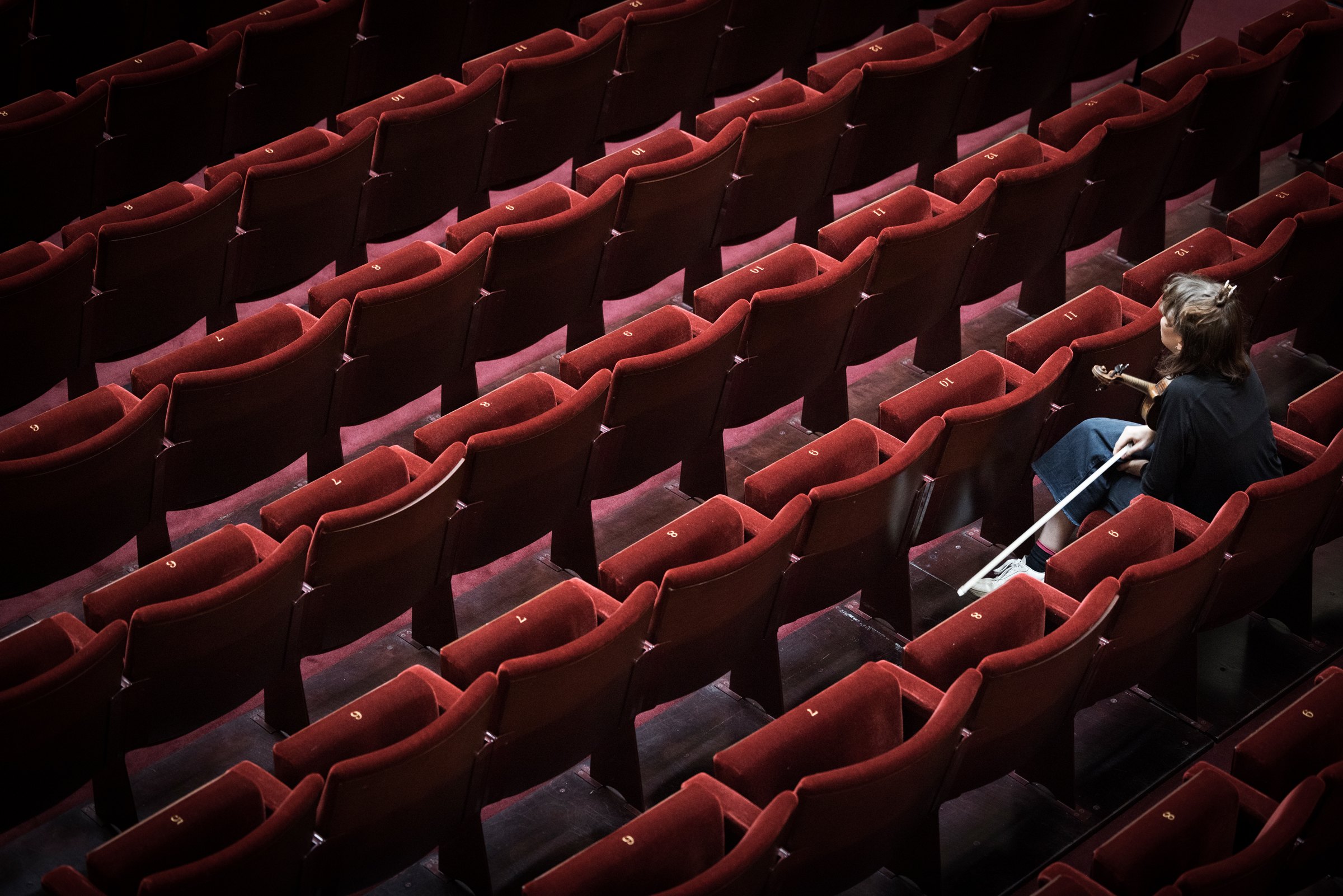
Photo Credit
Image courtesy of © Wigmore HallWhat makes a room sound good, and why does London keep the old ones so carefully? The answers run from a piano maker’s showroom of 1901 to a Soho basement, a studio in St John’s Wood and a Camden theatre with a secret backstage. Here are four rooms that shaped how the city listens, from the venues’ own histories and English Heritage, checked in November 2026.
A hall built to sell pianos
Wigmore Hall began as an advertisement. The piano maker Bechstein built it in 1901 to show off its instruments, with its showrooms next door, and asked the architect Thomas Collcutt for a room both grand and intimate. Early reviews praised the acoustic and the marble-lined, gilded interior, and the acoustic, the hall says, remains unchanged.
Look up before the music starts. Gerald Moira’s cupola shows Love and Psyche inspiring a performer and a composer, and at its centre a figure representing the soul of music, crowned by the golden light of harmony: a painting whose subject is, quite literally, the thing you came to hear.
The hall opened with gala concerts on 31 May and 1 June 1901, with Busoni and Ysaÿe among the players. Then history intervened. In the First World War German firms in London had their assets seized, the hall closed, and Debenhams bought it in 1916. It reopened in 1917 as Wigmore Hall, with Virginia Woolf in the first audience. A change of name is a small price for a perfect acoustic.

Photo Credit
Image courtesy of © Anthony O'Neil · CC BY-SA 2.0 via Wikimedia CommonsThe early years brought the greatest performers of the day, among them Caruso, Rubinstein, Cortot and Joseph Joachim, Brahms’s friend and colleague. The programme has widened since, but the hall still holds to the idea it was built on: an intimate room where the music, not the décor, does the talking.
A cellar in Soho
In October 1959 the saxophonist Ronnie Scott and his fellow player Pete King opened a jazz club in the basement of 39 Gerrard Street, until then a hang-out for taxi drivers and musicians with a couple of billiard tables. A loan of £1,000 from Scott’s stepfather paid for paint, a small bandstand, second-hand furniture and a baby grand piano.
Scott had tried once before. In December 1948 he co-founded Club Eleven, the UK’s first modern jazz club, round the corner from the musicians’ haunts of Archer Street; it folded in 1950. The second attempt, as Soho knows, went rather better.
A change of name is a small price for a perfect acoustic.
In 1961 it became the first club in the UK to feature American modern jazz artists, and in 1965 it moved to Frith Street, where it is still Ronnie Scott’s. Scott was famous for dry humour, much of it aimed at his own décor and clientele: the club, he said, was just like home, “filthy and full of strangers”. English Heritage has since marked the Gerrard Street basement with a blue plaque.
Elgar opens the doors
In St John’s Wood, the Gramophone Company bought a Georgian townhouse at 3 Abbey Road in 1929 and built recording studios in its large back garden. Sir Edward Elgar marked the opening, on 12 November 1931, with a recording. The studios’ Studio One is, in their own description, the largest purpose-built recording studio in the world.
The Beatles recorded most of their music here, and the zebra crossing outside, on the cover of their 1969 album Abbey Road, draws a steady stream of pilgrims. The studios are working rooms and not open for general visits, though there is a shop next door. Abbey Road is also a busy road, a detail the photographs on the crossing rarely show.

Photo Credit
Image courtesy of © Ted and Jen · CC BY 2.0 via Wikimedia CommonsA secret backstage
Up in Camden, KOKO, a theatre turned music venue, now keeps Ellen’s, which it describes as a late-night jazz club hidden backstage, so the best seat in the house may be behind the scenery.
Our advice: hear chamber music at Wigmore Hall in daylight, when its Monday lunchtime concerts show the room at its most luminous; keep a late evening for Frith Street; and treat the Abbey Road crossing as a road first and an album cover second.

Why it's on our list
- A hall built to sell pianos
- A cellar in Soho
- Elgar opens the doors
Location
The map comes from Google Maps, which sets its own cookies once it loads.
More in depth
 Objects of DesireBrass gears to laser light: London’s great machines on showBabbage’s engine, built at last; Britain’s biggest screen; and a stage designer’s 30-year desk.
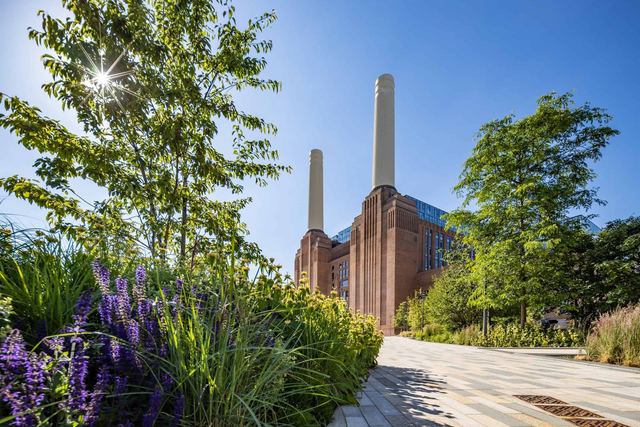 Objects of DesireA pig, two kissing roofs and a vertical cityBattersea’s chimneys, Coal Drops Yard’s kissing roofs and The Shard’s vertical city. No prices.
 Objects of DesireSixty millilitres and a buried shaker: London and the MartiniThe IBA’s Dry Martini, the Savoy’s buried shaker, Dukes’ frozen glasses and a Mayfair trolley.