The back story
London After Dark: Punk, the Blitz and Club Heritage
From the Marquee and the 100 Club to the Blitz and Heaven: where London’s music met its fashion.
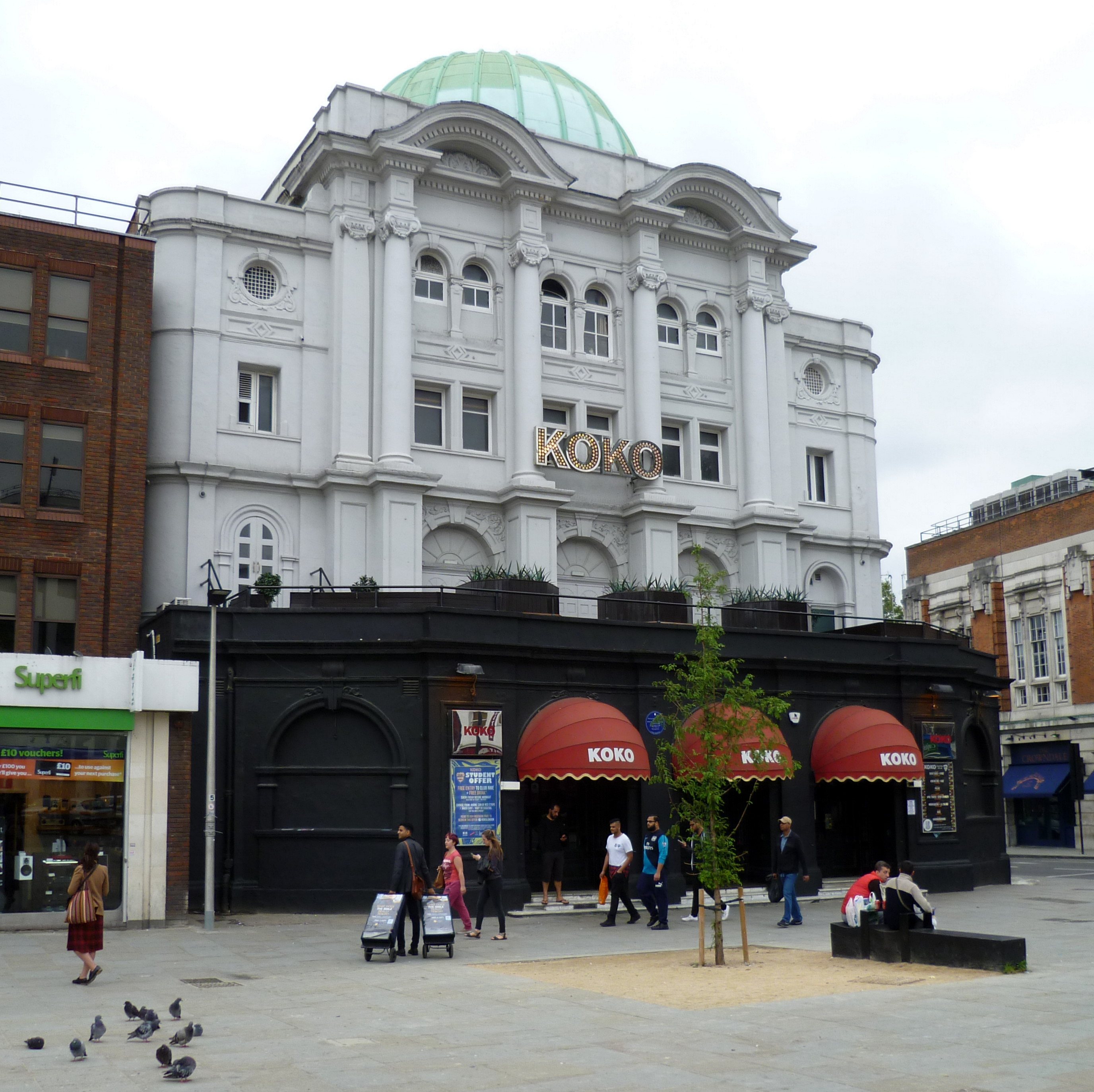
Photo Credit
Image courtesy of © Philafrenzy · CC BY-SA 4.0 via Wikimedia CommonsThe story of London’s nights, from Ronnie Scott’s, the Marquee and the UFO Club to SEX on the King’s Road and the 100 Club Punk Special, Steve Strange’s Blitz Club and the New Romantics, Shoom, Spectrum and the superclubs, Heaven and Taboo, with the venues where the city still goes out today.
London’s music has always been dressed for the occasion. From the Soho cellars of the 1960s to the King’s Road, a Covent Garden wine bar and the warehouses of acid house, the city’s clubs were where musicians, art students and fashion designers met, and where a look could become a movement in a single season. Fashion is the thread of this story: in London, what you wore at the door mattered as much as what played inside.
Soho and the sixties: the Marquee and the UFO Club
Ronnie Scott and Pete King opened their jazz club in a basement at 39 Gerrard Street on 30 October 1959, and in 1965 it moved round the corner to 47 Frith Street, where it still plays every night. The Marquee opened under an Oxford Street cinema on 19 April 1958 and moved to 90 Wardour Street in March 1964; the Rolling Stones played their first gig there on 12 July 1962.
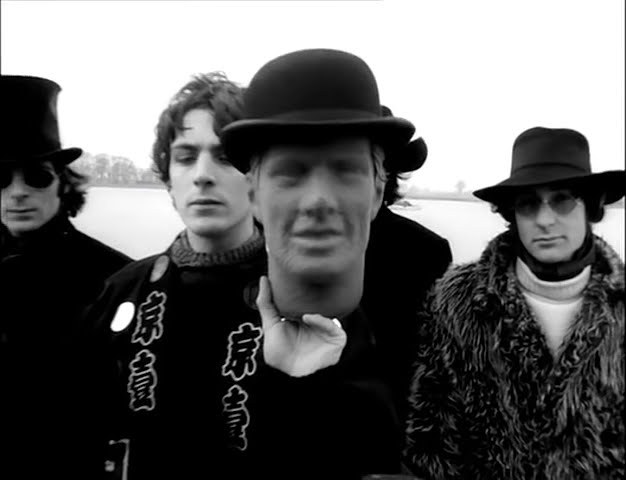
Psychedelia had its own address. The UFO Club, founded by Joe Boyd and John “Hoppy” Hopkins, ran in a basement at 31 Tottenham Court Road from 23 December 1966 to 28 July 1967, with Pink Floyd and Soft Machine as house bands and Jimi Hendrix among the visitors. Its last nights moved to the Roundhouse in Chalk Farm.
Video Credit
Video © Pink Floyd · plays from YouTube, which may set its own cookies once it startsPunk: the King’s Road and the 100 Club
Punk began in a shop. At 430 King’s Road, Malcolm McLaren and Vivienne Westwood ran Let It Rock from 1971, then renamed it SEX in 1974; all four original Sex Pistols were customers, and Glen Matlock worked there on Saturdays. In December 1976 it became Seditionaries, and the shop at World’s End still carries Westwood’s name.
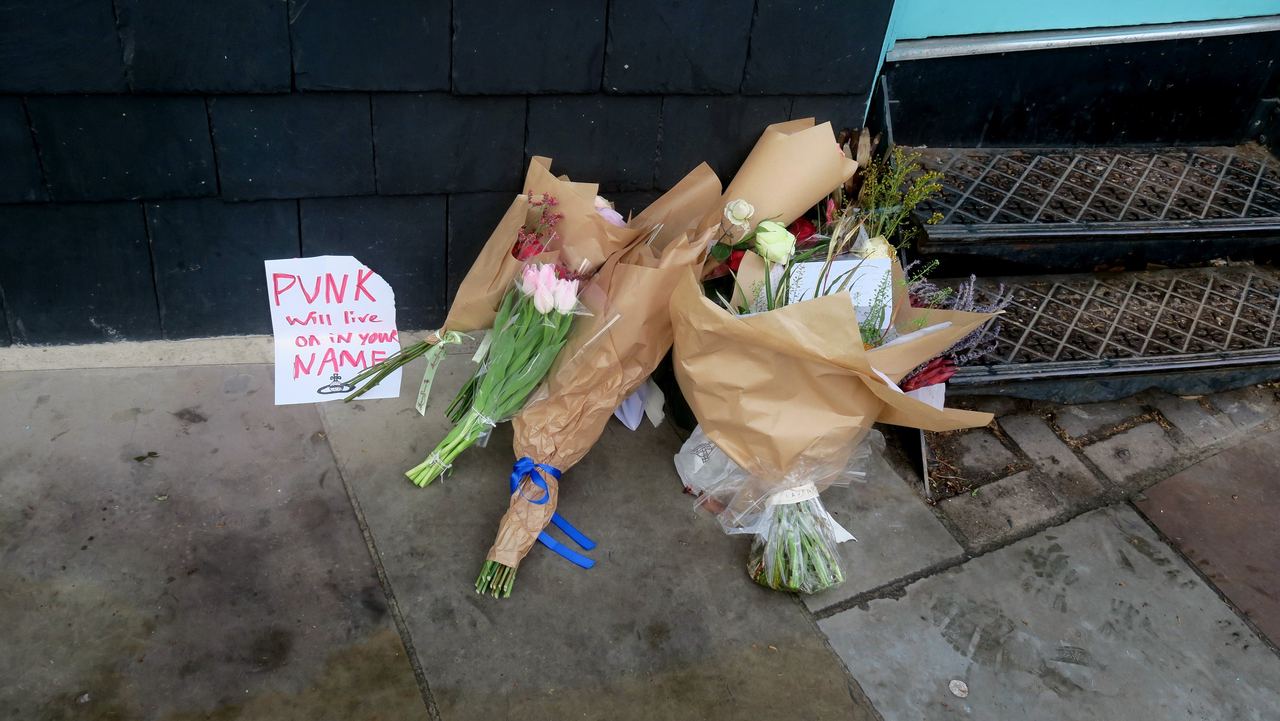
Photo Credit
Image courtesy of © Kwh1050 · CC BY-SA 4.0 via Wikimedia CommonsOn 20 and 21 September 1976 the 100 Club on Oxford Street, which has hosted live music since 24 October 1942, staged the first international punk festival. About 600 people saw the Sex Pistols, the Clash, Siouxsie and the Banshees and Subway Sect on the first night, and the Damned and Buzzcocks on the second. The 100 Club is still open, in the same basement.
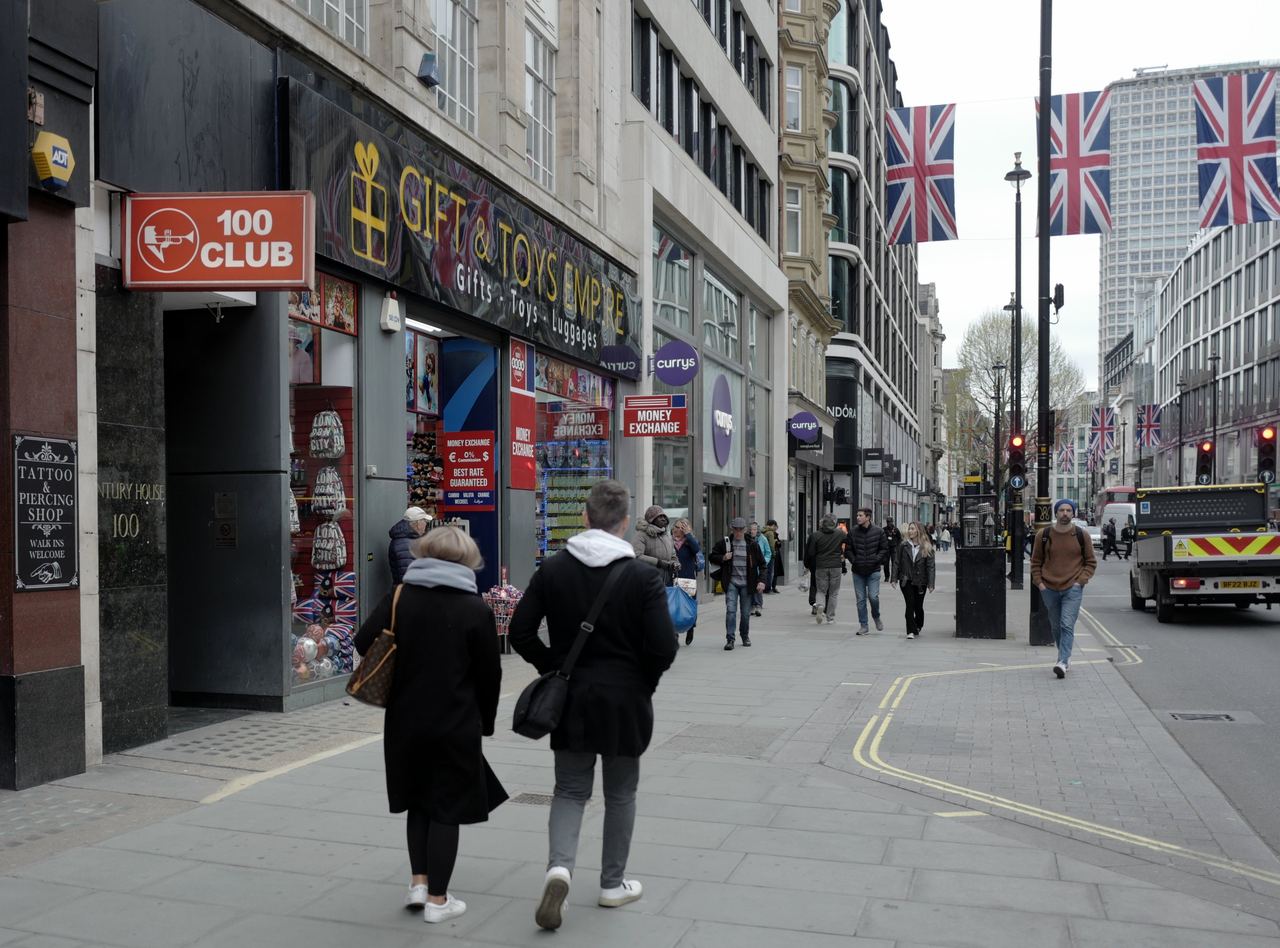
Photo Credit
Image courtesy of © Roy Katzenberg · CC BY 2.0 via Wikimedia Commons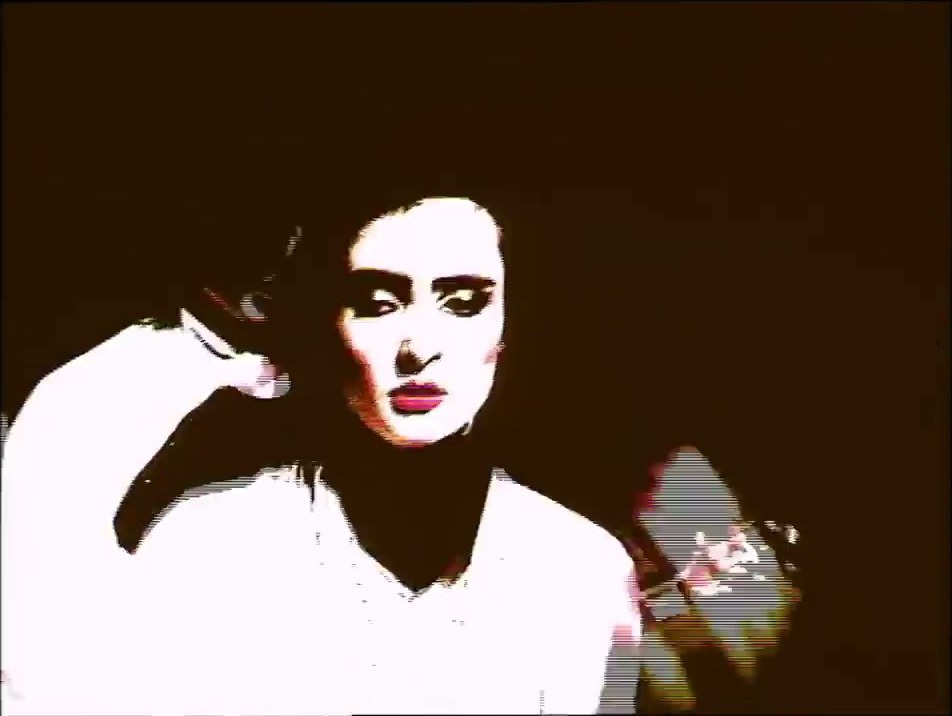
Video Credit
Video © Siouxsie and the Banshees · plays from YouTube, which may set its own cookies once it startsThe Blitz Club and the New Romantics
In the autumn of 1978 Steve Strange and the DJ Rusty Egan started Bowie and Roxy Music nights at Billy’s on Dean Street. In 1979 they moved to the Blitz, a wine bar at 4 Great Queen Street in Covent Garden, for Tuesday nights. Strange ran the door himself and admitted only “the weird and wonderful”; Mick Jagger was famously turned away.
The Blitz sat between two art schools, St Martin’s and the Central School, and its regulars dressed to be seen: the milliner Stephen Jones, the designer Stephen Linard, Boy George working the cloakroom, Sade and many more. Spandau Ballet played their first show there on 5 December 1979, and the look spread through The Face and i-D, the two magazines that made the Blitz Kids famous.
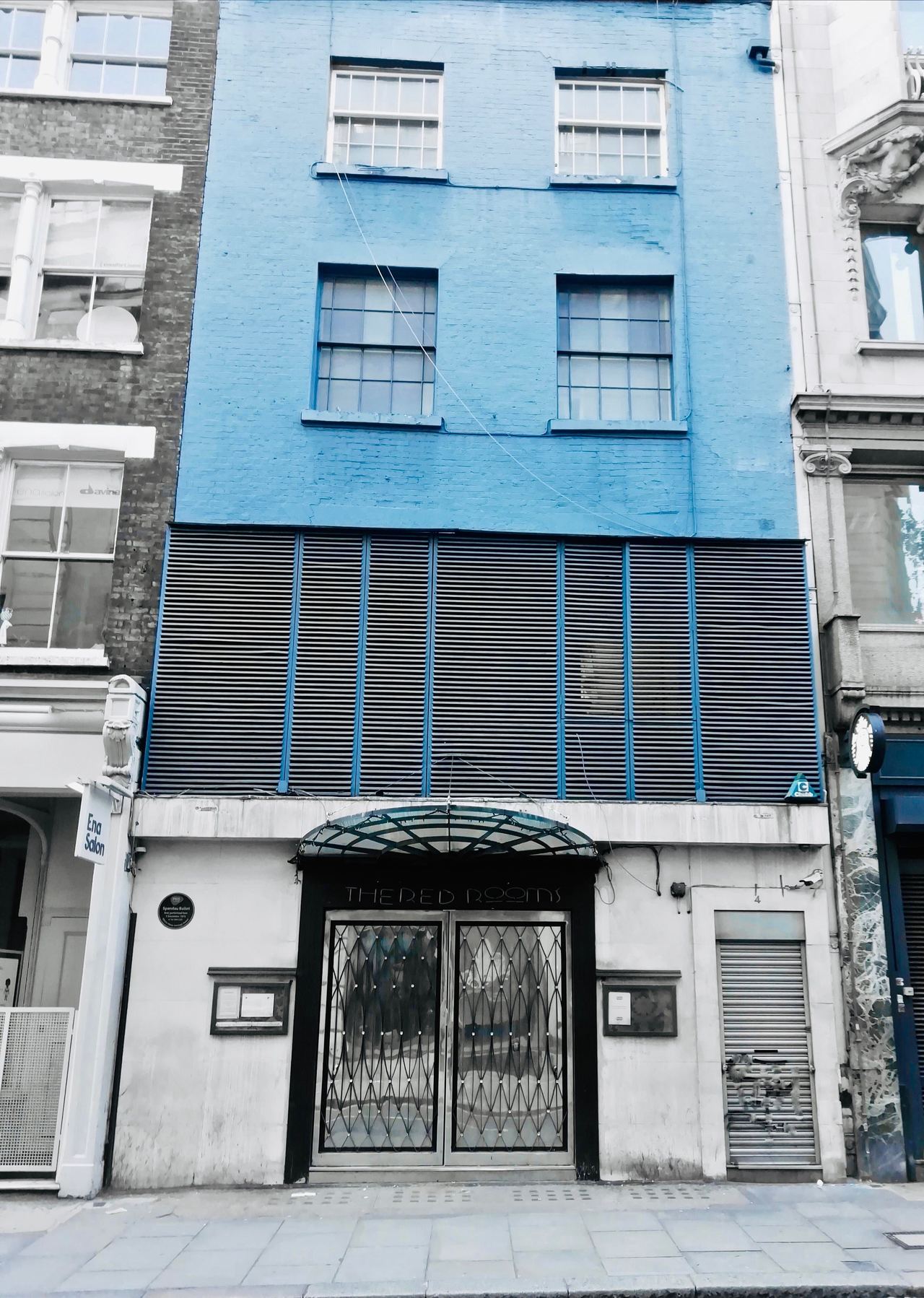
Photo Credit
Image courtesy of © Nhw11pictures21 · CC BY-SA 4.0 via Wikimedia Commons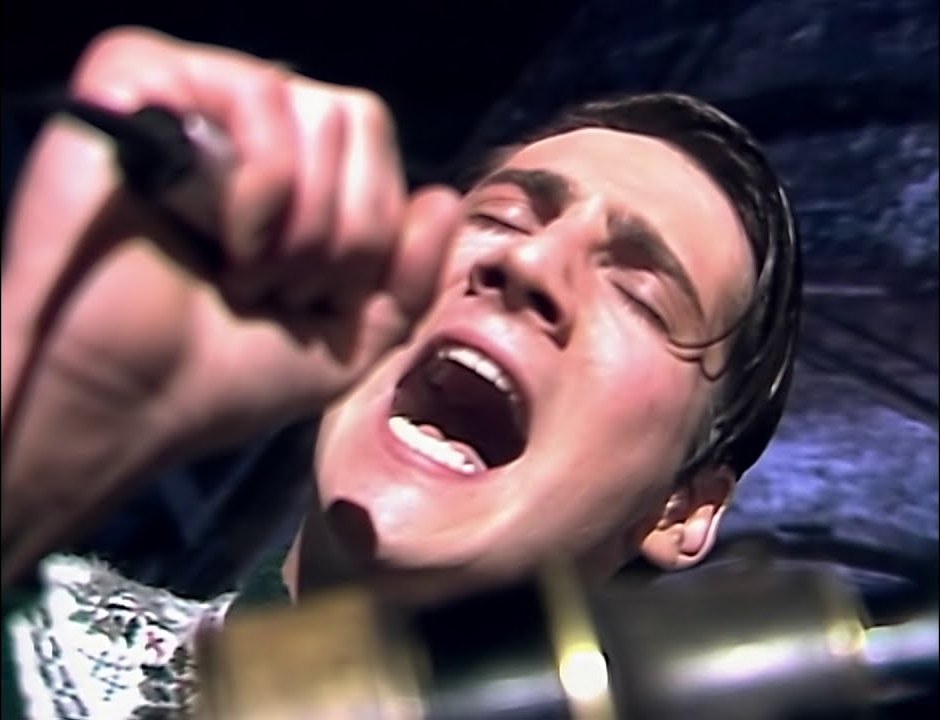
Video Credit
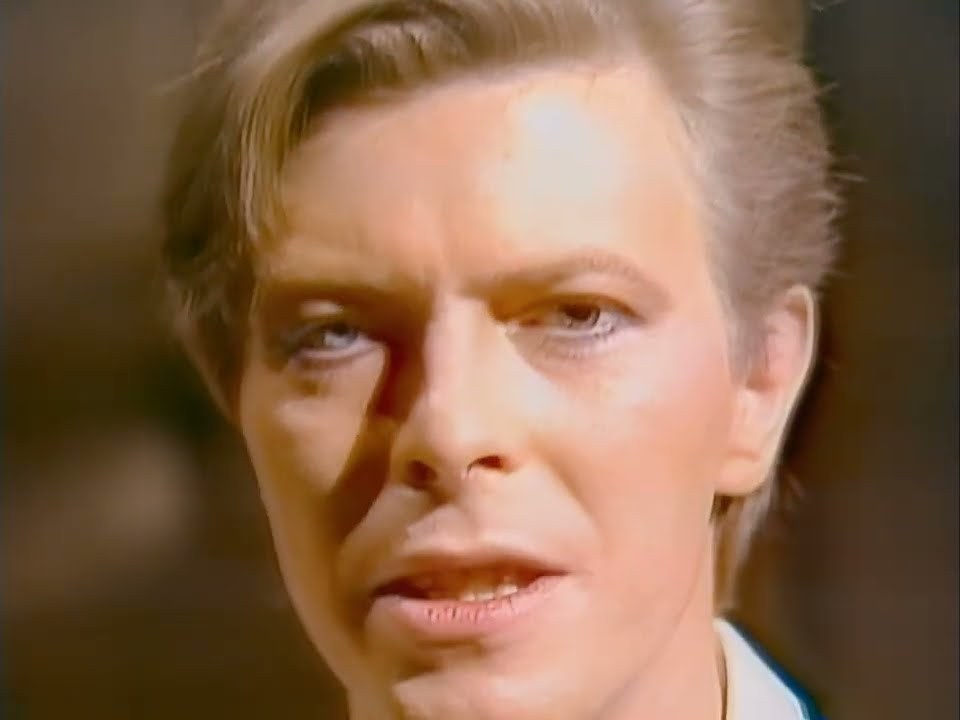
Video © Spandau Ballet · plays from YouTube, which may set its own cookies once it startsIn mid-1980 David Bowie came to the club and asked Strange and three other regulars to appear in his video for Ashes to Ashes. That year Strange’s own band, Visage, released Fade to Grey, which reached number 8 in the UK in February 1981. Strange went on to Club for Heroes on Baker Street in 1981 and, in 1982, to the Camden Palace, today’s KOKO.
Video Credit
Video © David Bowie · plays from YouTube, which may set its own cookies once it starts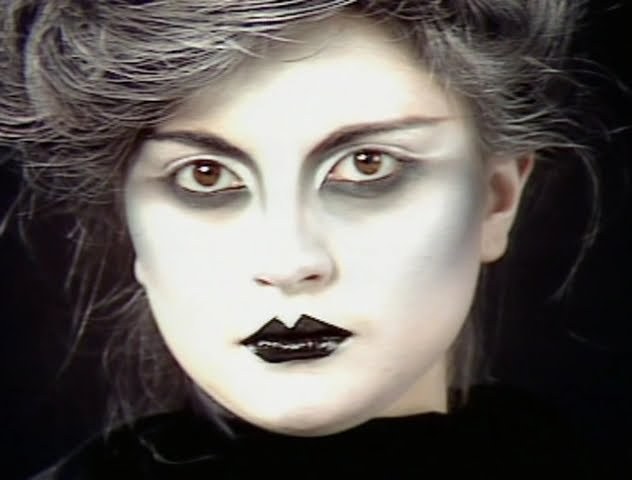
Video Credit
Video © Visage · plays from YouTube, which may set its own cookies once it startsSteve Strange let in only “the weird and wonderful”, and even Mick Jagger was turned away.
Acid house and the superclubs
In November 1987 Danny Rampling opened Shoom on Southwark Street, and in April 1988 Paul Oakenfold and Ian St Paul launched Spectrum on Monday nights at Heaven. With Trip, run by Nicky Holloway, they set off the ecstasy-fuelled Second Summer of Love of 1988 and 1989, when house music spilled out of the clubs into warehouses and fields around the M25.
The 1990s turned that energy into institutions. Ministry of Sound opened on 21 September 1991 in a former bus garage at Elephant & Castle, and Fabric followed on 29 October 1999 on Charterhouse Street, opposite Smithfield Market: the superclubs that made London a capital of dance music.
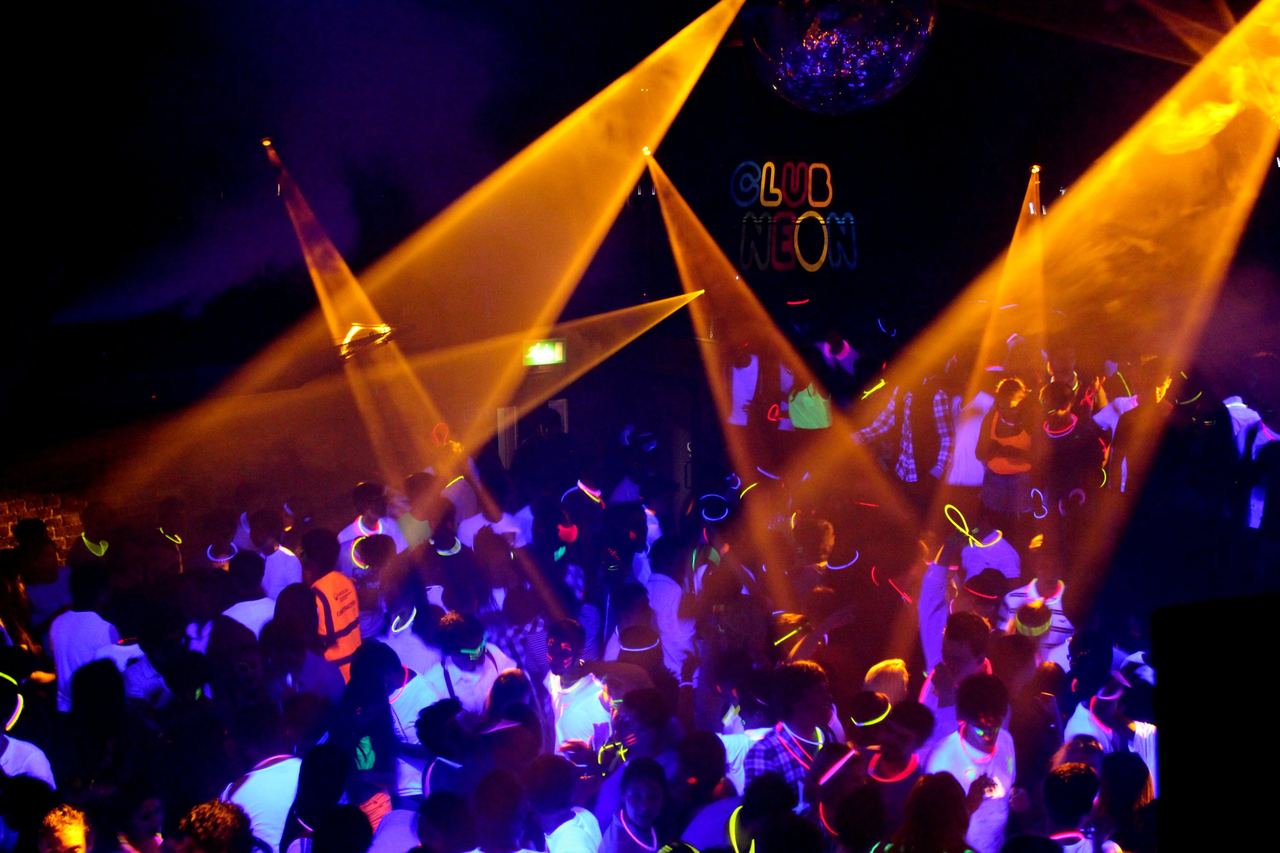
Photo Credit
Image courtesy of © uclu photosoc · CC BY-SA 2.0 via Wikimedia CommonsHeaven and Taboo
Heaven opened in December 1979 under the railway arches at Charing Cross, founded by Jeremy Norman as one of London’s first gay clubs. It shaped the city’s nights for decades: Asylum began there in 1983, Pyramid followed in 1985, Spectrum brought acid house in 1988, and G-A-Y became its long-running weekly party.
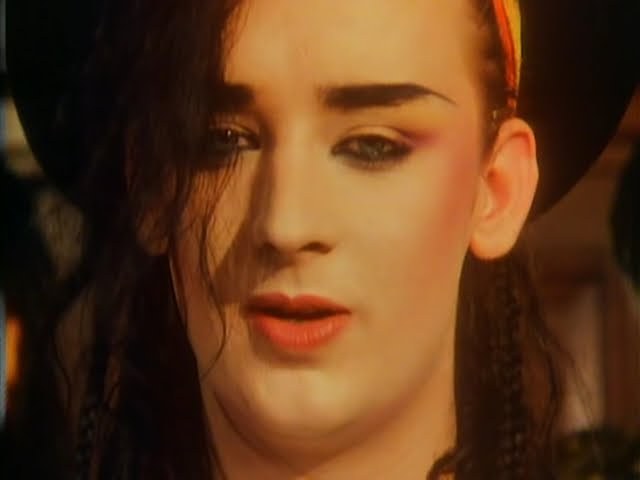
In 1985 the Australian-born artist Leigh Bowery opened Taboo at Maximus in Leicester Square with the promoter Tony Gordon. It lasted about 18 months, but its costumes, queues and outrageous door made it legendary; Boy George and the young John Galliano were among the regulars.
Video Credit
Video © Culture Club · plays from YouTube, which may set its own cookies once it startsLive music: from the Roundhouse to KOKO
Camden is London’s great gig quarter. KOKO opened on Boxing Day 1900 as the Camden Theatre, and in turn became a BBC studio, the Music Machine and, from 1982 to 2004, the Camden Palace; after a fire in January 2020 it reopened in April 2022. The Electric Ballroom began as an Irish dance hall in the 1930s and took its name in 1978.
Up the road, the Roundhouse fills an 1840s railway engine shed, and on Parkway the Jazz Cafe has staged gigs and club nights since 1990. In the West End, the Royal Albert Hall, Wigmore Hall and the Southbank Centre carry the classical and big-concert tradition, and Ronnie Scott’s still swings on Frith Street.
London after dark today
To follow the story now, start in Camden: KOKO and the Electric Ballroom for gigs and club nights, the Roundhouse for bigger shows and the Jazz Cafe for soul and late sets. In Soho, Ronnie Scott’s keeps the jazz-club tradition alive, and the Royal Albert Hall, Wigmore Hall and the Southbank Centre cover everything from the Proms to chamber music.
Our advice
Our advice: London’s best gigs and club nights sell out, so book through the venue or its official ticket partner as soon as dates are announced. Many clubs run until 3am or later and check ID at the door, so carry it. For the history, walk it by day: Great Queen Street for the Blitz, Oxford Street for the 100 Club, Wardour and Frith Street in Soho, and the King’s Road to World’s End.
Why it's on our list
- Soho in the 1960s
- Punk and the King’s Road
- The Blitz and the New Romantics
- Acid house and the superclubs
- Heaven and Taboo
- Where to go now
Location
The map comes from Google Maps, which sets its own cookies once it loads.
More in depth
 The back storyBehind closed doors: London’s private members’ clubsFrom the gentlemen’s clubs of Pall Mall to Soho’s creative clubs, and how to glimpse them.
 The back storyFrom coaching inns to gin palaces: the London pubGalleried coaching inns, gin palaces and riverside taverns: the story of the London pub.
 The back storyHistoric institutions: the heritage of London’s grand hotelsThe Savoy’s electric lights, Ritz and Escoffier, and the stories of London’s historic hotels.