The long read
The Queen’s Cup: the story in the silver
A small silver cup at Guards, and what four tiny hallmarks reveal about where it came from.
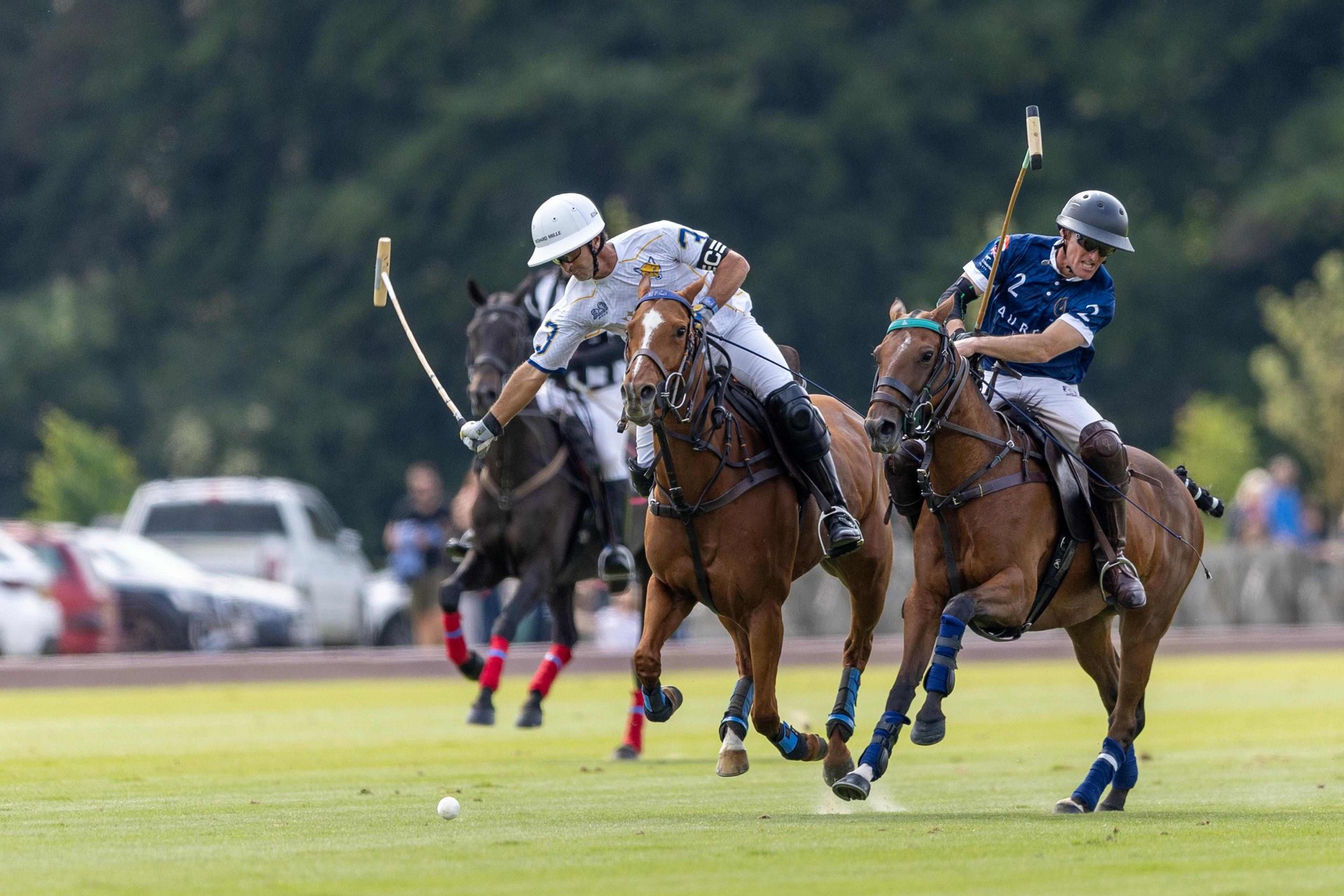
Photo Credit
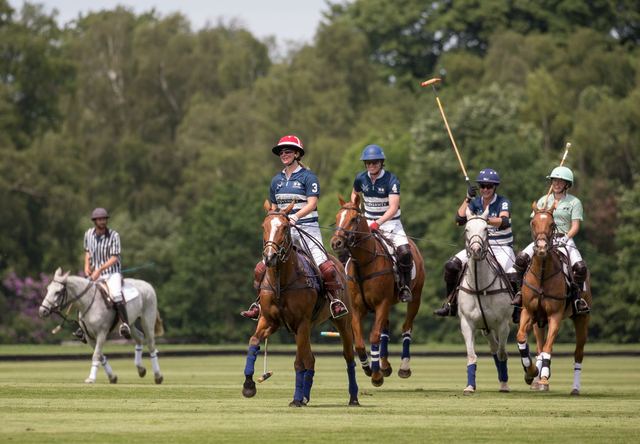
Image courtesy of © Pablo Ramirez, courtesy of Hurlingham PoloOf all the silver that crosses the presentation table at Guards each summer, the cup that matters most is one of the smallest. The Queen’s Cup was given to the club by the late Queen in 1960, and its final is still played on the Queen’s Ground each June. But what is it that makes this particular cup so special? The answer is stamped into the silver, in four marks no bigger than a fingernail.
A small cup with a big name
It is not the largest trophy at Guards, nor the most ornate. As described in a 2015 history of the cup, it stands 12.5cm tall and 16cm across on an ebonised, five-tiered base banded in silver, with six leaves rising round its foot, acanthus on the handles and the Royal Arms on one side. The late Queen gave it to the club in 1960, Guards says, and in 2020 the tournament celebrated its 60th anniversary.
Since 2012, the club says, Cartier has supported it, and it is played today as the Cartier Queen’s Cup, a 22-goal tournament through May and June with the final on the Queen’s Ground.
Reading the marks
The clues sit just below the lip. First comes the maker’s mark, HEB over FEB in a shield, which hallmark references attribute to Barker Brothers of Birmingham. Next, the lion passant, the mark of sterling silver. Then the town mark: a sword between three wheatsheaves, which the Silver Society identifies as Chester. And last, a curly capital U, the date letter that, in the standard Chester tables, belongs to 1920–21.
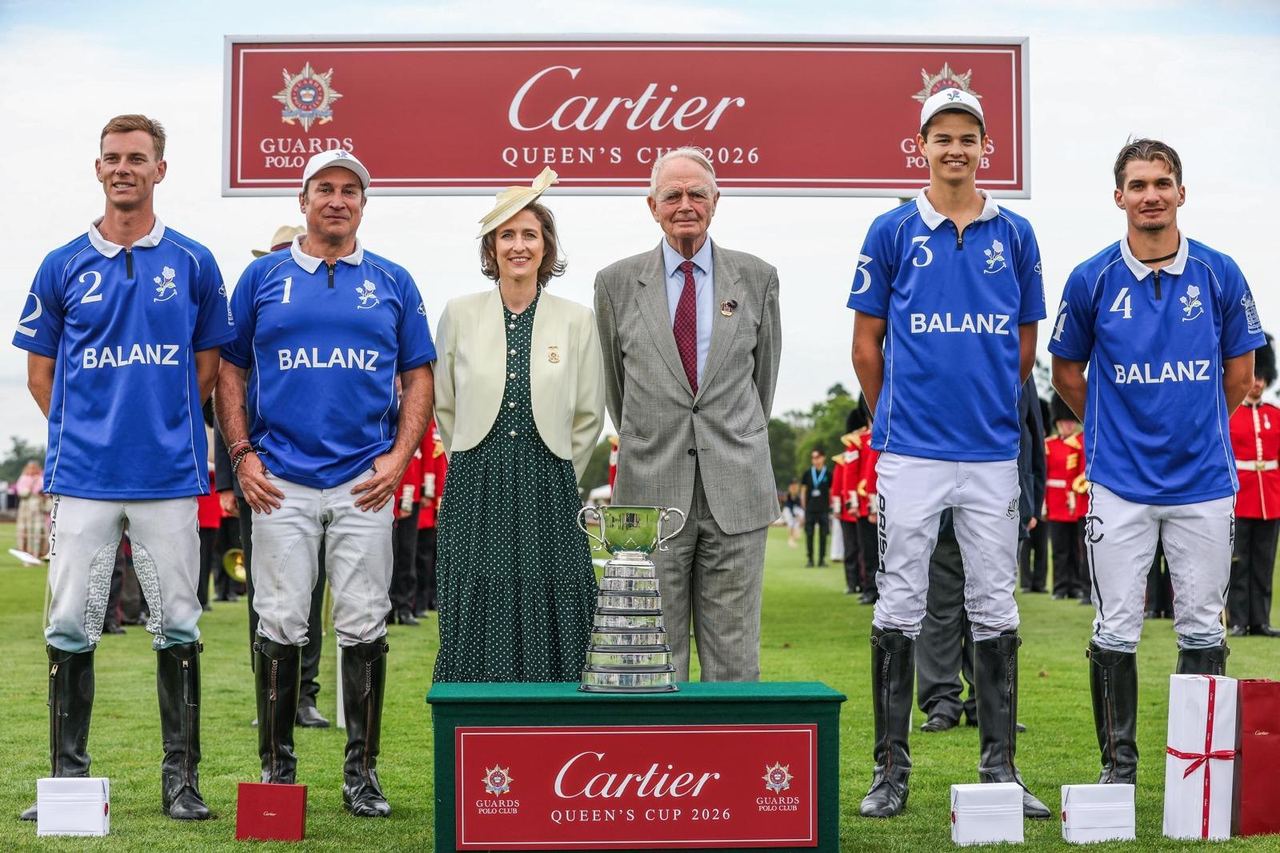
Photo Credit
Image courtesy of © Art of Polo / Guards Polo ClubPut them together and the cup tells its own story. It was made, or at least assayed, in Chester around 1920, which means it was already about forty years old when the late Queen gave it to Guards and the first winners’ names were engraved on its base in 1960.
The last of an old office
Chester had assayed silver for centuries. Its assay office stayed open until 1962, the Victoria County History records, when the premises in Goss Street were closed and the work passed to Birmingham. The Chester mark lies dormant now, re-registered at the Sheffield Assay Office. So the Queen’s Cup carries, in miniature, the stamp of a hallmarking office that no longer exists.
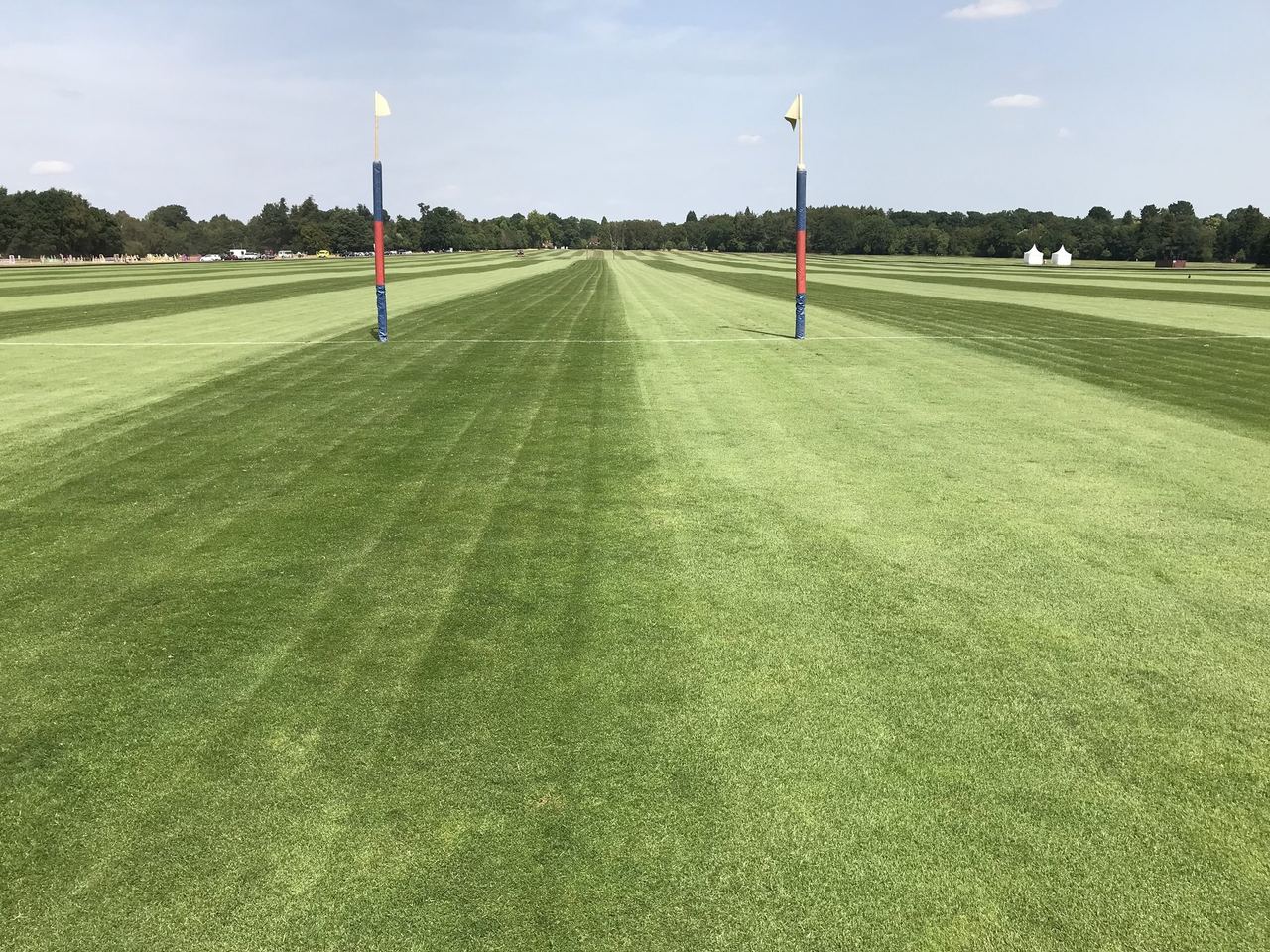
Photo Credit
Image courtesy of © Richard Humphrey · CC BY-SA 2.0 via Wikimedia CommonsThe cup today
Each June, the final is played on the Queen’s Ground at Smith’s Lawn, and in recent years the prizes have been presented by Cartier’s managing director in the United Kingdom; the King has been President of the club since early 2024. In 2026 the cup went to Balanz Capital, who beat Aureus 17–7 on their first appearance in the tournament.
The cup was already forty years old when it was first presented at Smith’s Lawn.
Our advice: book the Queen’s Cup final when Guards publishes its 2027 dates, take your seat early, since all seating is allocated on final day, and when the cup comes out for the presentation, look closely. The best stories at a polo ground are often the smallest.
Why it's on our list
- Given to Guards by the late Queen in 1960
- Four hallmarks, read like a detective’s clues
- Cartier’s sponsorship since 2012
Location
The map comes from Google Maps, which sets its own cookies once it loads.
More in depth
 The poniesHow polo ponies are cared forVets on call, welfare officers in the lines and strict limits on play: how polo protects its ponies.
 Beginner’s guideYour first day at the polo: a beginner’s guideHow the game works, where to stand, what to wear and how long it lasts, plus how to start playing.
 The long readThe fashion of poloBreeches, button-downs and white jeans: how a game on horseback dressed the world’s wardrobe.