CHARITY · REGISTERED 209603 · FOUNDED 1824
RNLI – Royal National Lifeboat Institution
The lifeboat charity founded in a City tavern, with its busiest station on the Thames.
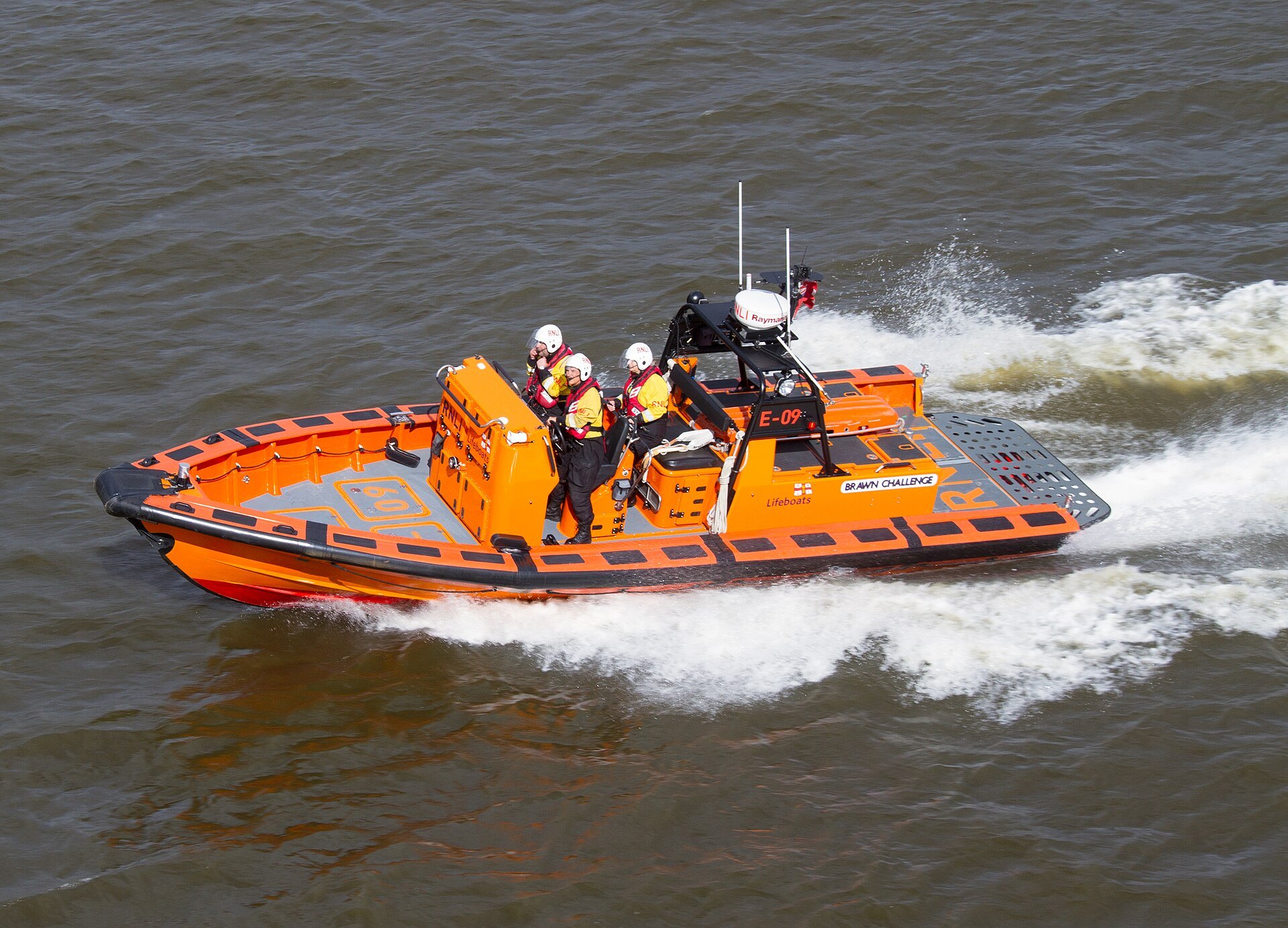
Photo Credit
Image courtesy of © Tony Hisgett from Birmingham, UK · CC BY 2.0 via Wikimedia CommonsThe Royal National Lifeboat Institution was founded on 4 March 1824 at the City of London Tavern in Bishopsgate, and its volunteer crews have since saved more than 146,000 lives. London seems an unlikely home for a lifeboat, yet Tower station on Victoria Embankment is the busiest, crewed around the clock. In 2022 alone it launched 734 times. A city that thinks of the Thames as scenery is reminded, daily, that it is also water.
The RNLI lists one-off and regular donations, gifts in Wills, payroll and share giving, and its Lifeboat Lottery. Volunteers can help in shops, at stations, in fundraising groups or with water safety; crew must be over 18, pass a health assessment and live or work near a station.
A good idea in a City tavern
The RNLI likes to remind people that it began not on a beach but in a pub. On 4 March 1824, Sir William Hillary’s plan for a national lifeboat service finally took shape at the City of London Tavern in Bishopsgate. Hillary lived on the Isle of Man and had watched ships founder off its coast. His first appeal, in 1823, had gone nowhere: the Admiralty was sympathetic and did not help.
So he took the idea to London’s philanthropists, who proved more useful than the Navy. The institution they founded later received the Royal prefix from the King, and it has run on voluntary gifts ever since. Two centuries on, the principle has not changed much: people who will never need a lifeboat pay for one, so that people who do need it are not asked first whether they can afford it.
The work today
The numbers are large and quietly made. By the RNLI’s own count, its crews and lifeguards have saved more than 146,000 lives since 1824. In early 2024 the charity said it ran 238 lifeboat stations around the coasts of the UK and Ireland, along with more than 240 lifeguard units on beaches. Most of the people in the boats are volunteers who leave jobs, dinners and sleep when the pager goes.
The Charity Commission register records total income of £286.7 million for the year ending 31 December 2025, most of it from donations and legacies. That is the money behind the kit, the training and the boats themselves. The register lists the charity’s purposes plainly: to save lives at sea and on inland and flood waters, and to teach the public how not to need saving in the first place.
A lifeboat in the middle of London
The Thames joined the map in 2002, when the RNLI opened four river stations at once: Teddington, Chiswick, Gravesend and Tower. Tower began at Tower Millennium Pier, beside the Tower of London, and moved to Victoria Embankment in 2006. It has since become the charity’s busiest station, with a crew on duty around the clock rather than waiting at home for a call.
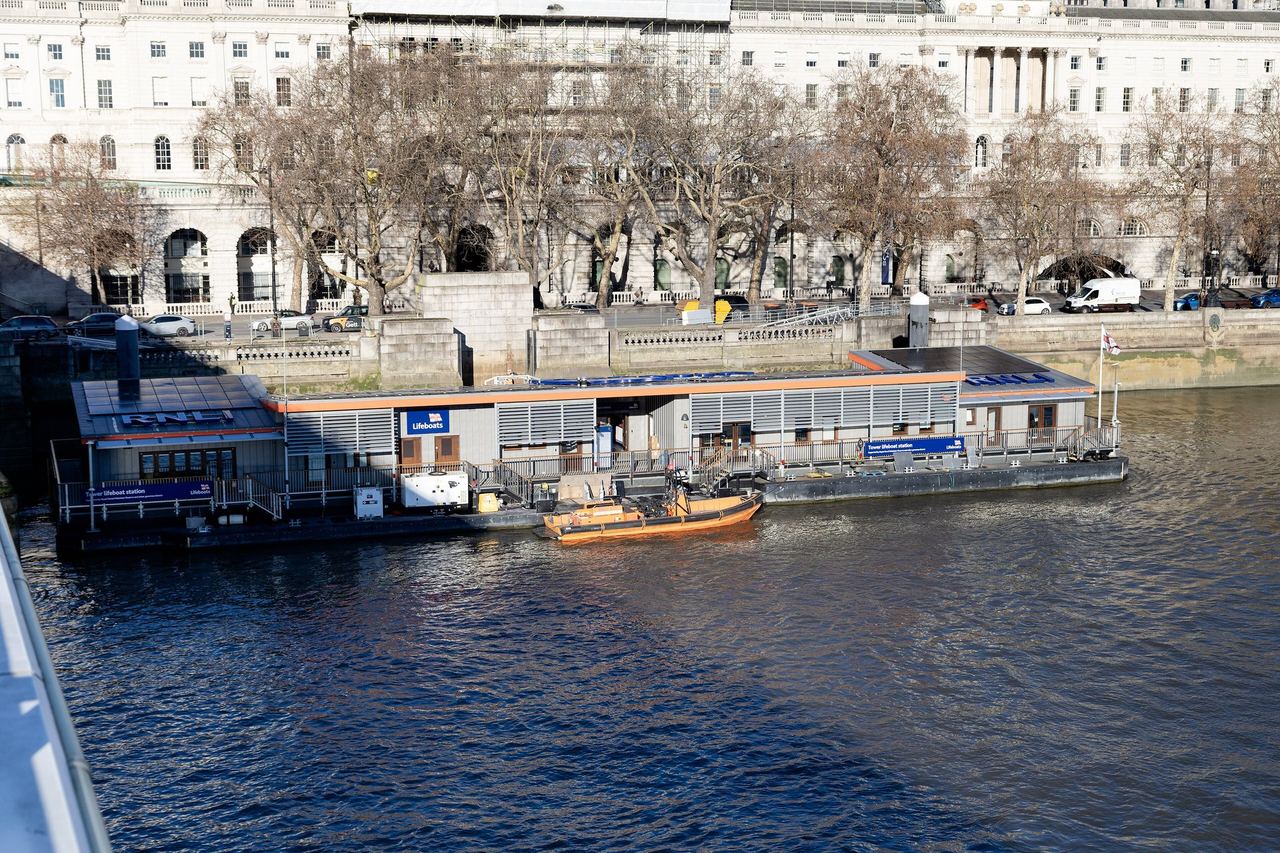
Photo Credit
Image courtesy of © WikiPhotoUpdater · CC BY 4.0 via Wikimedia CommonsIn 2022, its busiest year to date, the Tower crew launched 734 times and saved 21 lives. On 23 October 2024 it launched for its 11,000th time, a milestone reached in just 22 years. The old floating station was towed away in January 2023, and its successor was officially opened on 23 June 2023 by the RNLI’s President, HRH The Duke of Kent.
London may seem an unlikely home for a lifeboat, yet the RNLI’s busiest station sits on the Thames, a short walk from Waterloo Bridge.
For visitors, the station is part of the river’s working furniture: a lifeboat moored among the cruise boats and river buses. It is a sobering thing to learn that the most demanding stretch of water in the RNLI’s whole network runs past theatres, galleries and riverside bars. The river is busy, tidal and far less gentle than it looks from a restaurant terrace.
Seeing it, and supporting it
Tower is a working station, so there are no drop-in visits, but it offers organised public visits booked online through the RNLI’s station page, and groups of ten or more can arrange one by email. The RNLI lists many ways to help: one-off and regular donations, gifts in Wills, payroll and share giving, and its Lifeboat Lottery.
Volunteers can work in RNLI shops, join fundraising groups or become water safety volunteers; crew roles require applicants to be over 18 and to live or work near a station.
There is something very London about the arrangement. The idea was argued over in a City tavern by people who would never row a lifeboat, and two centuries later the city still pays for the boats while its river keeps the crews busy. Few charities can claim that their founding meeting and their busiest workplace sit within a few miles of each other.
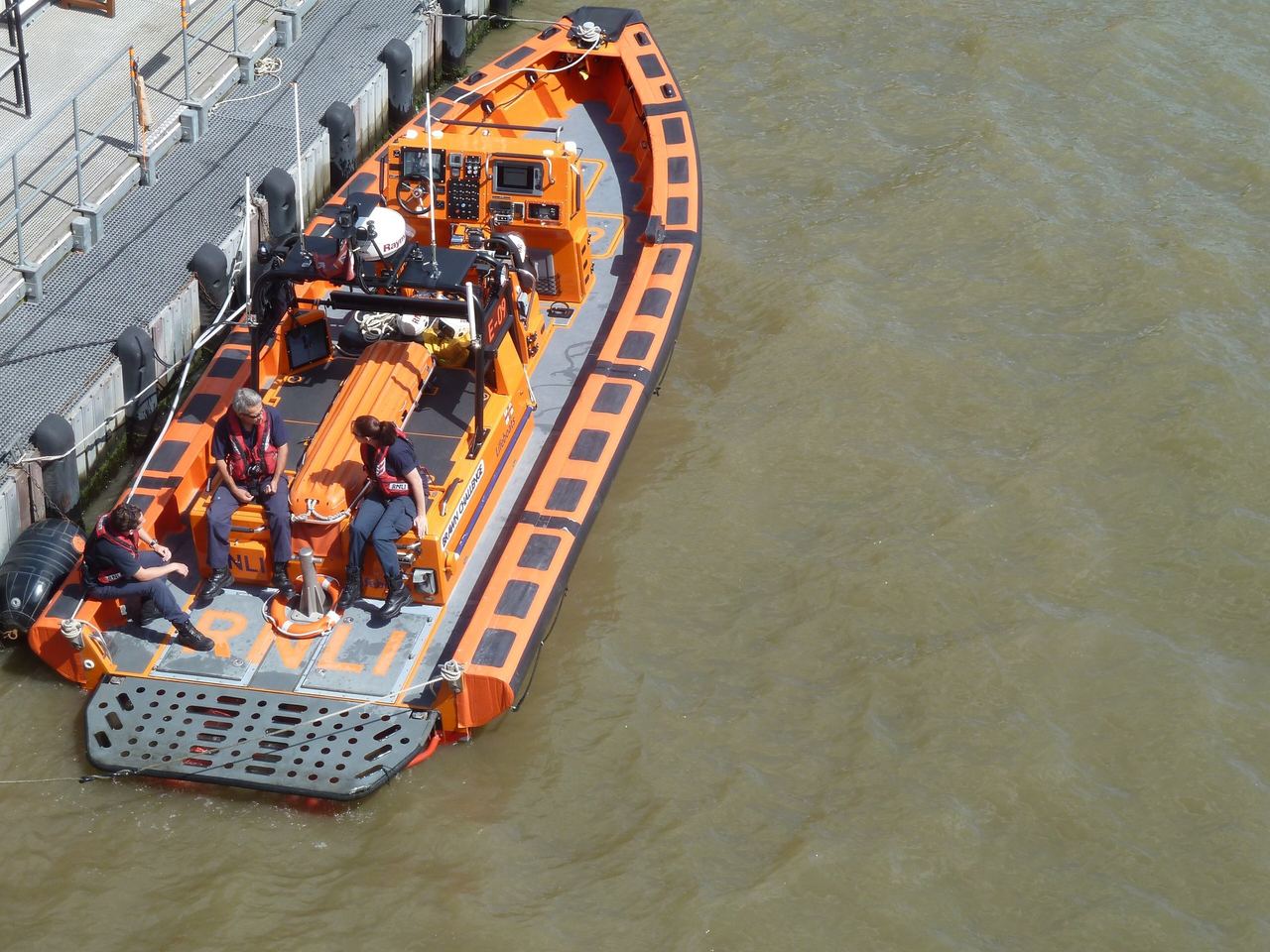
Photo Credit
Image courtesy of © moska · CC BY-SA 2.0 via Wikimedia CommonsOur advice: walk the Embankment between Waterloo Bridge and the Temple and look for the station on the water. If you would like to give, use the RNLI’s own website or its shops, and treat the Thames with the respect the crew does. Never swim in it, and if you see someone in difficulty, call 999 and ask for the Coastguard.
At a glance
Address: Tower Lifeboat Station, Lifeboat Pier, Victoria Embankment, London WC2R 2PP
Website: rnli.org
Telephone: +44 20 7240 3978
Registration: Registered charity in England and Wales no. 209603
Why it's on our list
- Founded on 4 March 1824 at the City of London Tavern, Bishopsgate
- Tower, on Victoria Embankment, is the RNLI’s busiest lifeboat station
- Tower marked its 11,000th launch on 23 October 2024, 22 years after it began
Location
The map comes from Google Maps, which sets its own cookies once it loads.
More in depth
 CHARITY · REGISTERED 1160024Great Ormond Street Hospital Children’s Charity (GOSH Charity)The charity behind London’s famous children’s hospital, which opened on Valentine’s Day 1852.
 CHARITY · REGISTERED 219279 · FOUNDED 1921The Royal British LegionThe Armed Forces charity behind the Poppy Appeal, supporting veterans and families since 1921.
 The long readPrivate members’ clubs: the rooms behind the doorsChocolate houses, Pall Mall palazzos, Soho’s late nights and Rotary lunches: London’s club life.